
Post
Non-Surgical Skin Regeneration in Korea: A 2026 Guide to Facial Harmony
Non-surgical skin regeneration is defined as the medical process of stimulating the body’s intrinsic healing capabilities to improve skin health and aesthetics without invasive surgery. In 2026, the pursuit of natural beauty through subtle, precision-based treatments has become the standard for discerning patients worldwide. Hello, I am Dr. Hyungkwon Park, a dermatology specialist at LUNN, where we focus on refining the small details to achieve overall facial harmony.
Understanding Non-Surgical Skin Regeneration in Korea
Non-surgical skin regeneration refers to a category of aesthetic treatments that utilize energy-based devices and biological stimulants to trigger dermal remodeling. Unlike traditional surgery, these methods prioritize cellular health and structural integrity, allowing for improvements in skin texture, elasticity, and volume with minimal disruption to the patient's daily life.
The Science of Dermal Remodeling and Cellular Repair
Non-surgical skin regeneration is a sophisticated biological process that involves stimulating the body's natural healing mechanisms to replace damaged tissue with fresh collagen and elastin. At LUNN, we focus on the specific depth of the dermis where fibroblast activity is most prominent, typically around 1.5mm to 4.5mm depending on the treatment area. By introducing controlled thermal energy or biocompatible substances, we trigger a wound healing response without damaging the surface epidermis. This process is not instantaneous; it usually requires a minimum of 4 to 12 weeks for the first visible changes in structural density to appear as new protein chains form. Clinical studies often indicate that peak collagen production occurs between the third and sixth month after initial stimulation. Understanding this biological timeline is essential for setting realistic expectations, as the skin requires time to reorganize its structural layers through cellular turnover. As I often tell my patients, this is like repairing the structural integrity of a house; you cannot simply change the wallpaper without ensuring the foundation is solid.
Why Seoul is the Global Hub for Non-Invasive Aesthetics
South Korea, particularly the Cheongdam and Apgujeong Rodeo districts, has become a primary destination for advanced aesthetic procedures due to a unique blend of technological innovation and medical expertise. In 2026, Seoul clinics continue to lead by integrating advanced AI-driven diagnostic tools designed to provide highly precise analysis of skin density and hydration levels. This high volume of procedures allows dermatologists at LUNN to refine techniques that prioritize minimal downtime while maximizing regenerative outcomes. There has been a significant increase in demand for non-invasive lifting in Seoul as patients seek natural alternatives to traditional surgery. The concentration of specialized medical equipment in this area ensures that patients receive treatments using up-to-date, FDA-cleared devices. International visitors frequently travel here to access this ecosystem of precision, where the standard of care involves a meticulous 1mm-level adjustment to achieve a balanced and harmonious appearance.
Dermatologist Led Facial Design for Natural Harmony
Facial design at LUNN is a personalized philosophy that treats the face as an integrated whole rather than a collection of isolated features. As a dermatologist, I believe that 1mm of deviation can significantly alter the balance of an individual's expression, making precision the most critical factor in any regenerative plan. This approach avoids the overfilled or 'frozen' look by respecting the natural muscular resistance and structural layers of the skin. Every consultation begins with a detailed assessment of the facial shadows and highlights to determine where volume has been lost and where skin laxity has compromised the jawline. By mapping these specific zones, we can select the appropriate combination of lasers, boosters, and lifting techniques. The goal is always to enhance the patient's existing features, ensuring that the results appear natural both at rest and during movement. Just as a good camera requires a skilled photographer to capture a masterpiece, advanced equipment requires a dermatologist's expert eye to deliver natural harmony.
Advanced Technologies for Skin Tightening and Texture Refinement
Advanced technologies for skin refinement involve the application of high-precision energy to the dermal layers to stimulate the production of essential proteins like collagen and elastin. These treatments are specifically designed to address signs of aging such as fine lines, sagging, and enlarged pores by promoting long-term cellular health rather than just providing a temporary surface-level correction.
Thermage for Dermal Elasticity and Deep Rejuvenation
Thermage represents a gold standard in radiofrequency technology, designed to penetrate the dermal layers to stimulate uniform collagen contraction and renewal. This procedure uses non-invasive energy to tighten existing collagen and stimulate the birth of new fibers over time. At LUNN, we use Thermage to address concerns such as fine lines and skin laxity, often focusing on the 'layered design' of the skin. While individual responses may vary, patients often notice an improvement in skin texture and firmness in the months following the treatment. It is vital to note that temporary side effects like mild erythema (redness) or edema (swelling) can occur, typically resolving within a few days. Consistent use of sun protection is mandatory following this treatment to protect the newly regenerated skin from UV-induced damage during the healing phase. We emphasize a conservative approach, as the goal is a gradual, natural improvement rather than an artificial change.
Non-Invasive Tightening Technology: Lifting Without Surgery
Non-invasive lifting technologies, such as Ultherapy and ONDA, provide a viable alternative for patients who wish to avoid the risks associated with general anesthesia or incisions. Ultherapy targets the SMAS layer (the deep muscle foundation) to induce contraction, while ONDA utilizes microwave technology to address both volume and elasticity. At LUNN, we emphasize that these procedures do not provide the same drastic pull as a surgical facelift, but they offer a gradual and natural improvement in skin laxity. Research suggests that thermal stimulation at specific temperatures is most effective for denaturing old collagen fibers and initiating the birth of new ones. In many clinical cases, patients report a visible lifting effect around the jawline and brow within two to three months of treatment, though individual results may vary depending on skin condition. Because the surface of the skin remains unharmed, most individuals can return to their daily professional lives immediately, provided they follow basic post-procedure guidelines. You can learn more about these approaches in our guide on LUNN Clinic Seoul: A 2026 Specialist’s Guide to Precision Facial Design and Natural Harmony.
Premium Skin Booster Injections for Hydration and Elasticity
Skin boosters, including advanced formulations like PN (Polynucleotide) or PDLLA (Poly-D,L-Lactic Acid), act as a nutritional catalyst for skin regeneration from within. Unlike traditional moisturizers that sit on the surface, these micro-injections deliver active ingredients directly into the dermis to enhance hydration and stimulate fibroblast activity. At LUNN, we often recommend these boosters to improve the inner glow and resilience of the skin, particularly for those experiencing dryness or early signs of aging. A typical protocol involves multiple sessions to establish a reservoir of regenerative components. While these injections are effective, patients should expect minor bumps at the injection sites that usually disappear within 24 to 48 hours. Rare side effects include slight bruising or tenderness, which are manageable with proper aftercare. When used in conjunction with lifting lasers, skin boosters provide the necessary building blocks for the skin to repair itself more efficiently, as discussed in our article on The Synergy of Skin Boosters and Lifting Lasers: A Perspective on Facial Harmony.
Facial Volume Restoration and Structural Contouring
Facial volume restoration is the process of using injectable materials to restore the youthful contours and proportions of the face. This technique focuses on correcting the hollows and shadows that appear with age, ensuring that light reflects off the skin in a way that emphasizes natural beauty and vitality.
Facial Volume Restoration with Premium Fillers
Volume restoration involves the strategic use of hyaluronic acid or stimulatory fillers to correct structural hollows that occur due to aging. At LUNN, we prioritize the use of low-hydrophilicity fillers, such as Belotero, to prevent excessive swelling or a 'puffy' appearance. This is particularly important for delicate areas like the 'tear trough' (under-eye), where we focus on 'shadow erasing'—treating the ligament and structural causes of dark circles rather than just the pigment. By restoring the 3D volume, we can reduce deep shadows and create a more refreshed look. The results are visible immediately, but the filler settles over the course of 2 weeks. Individual results vary, and some patients may experience minor bruising or swelling, which is temporary. A professional dermatologist will always evaluate the dynamic movement and muscle resistance of the face to ensure that the volume restoration looks natural during speech and laughter.
Precision Lifting with Ultherapy and ONDA
Instead of invasive methods, we utilize advanced energy-based devices like Ultherapy and ONDA to refine the jawline and reduce the appearance of a double chin. Ultherapy provides a precise 'structural lift' by targeting the deep fascia, while ONDA helps in managing localized fat and tightening the skin simultaneously. At LUNN, we customize the energy parameters and 'shot' count based on the specific degree of skin laxity and tissue thickness of each patient. These treatments stimulate a long-term collagen network that can maintain improved contours for 6 to 12 months or more. Some patients might feel a slight aching sensation or experience minor swelling for the first few days post-procedure. It is essential to follow the recommended 'intervals and cycles' to achieve the best results. While effective, these are medical procedures that require expert anatomical knowledge to avoid complications like nerve irritation or uneven results.
Customized Skin Care Programs at Apgujeong Rodeo Clinics
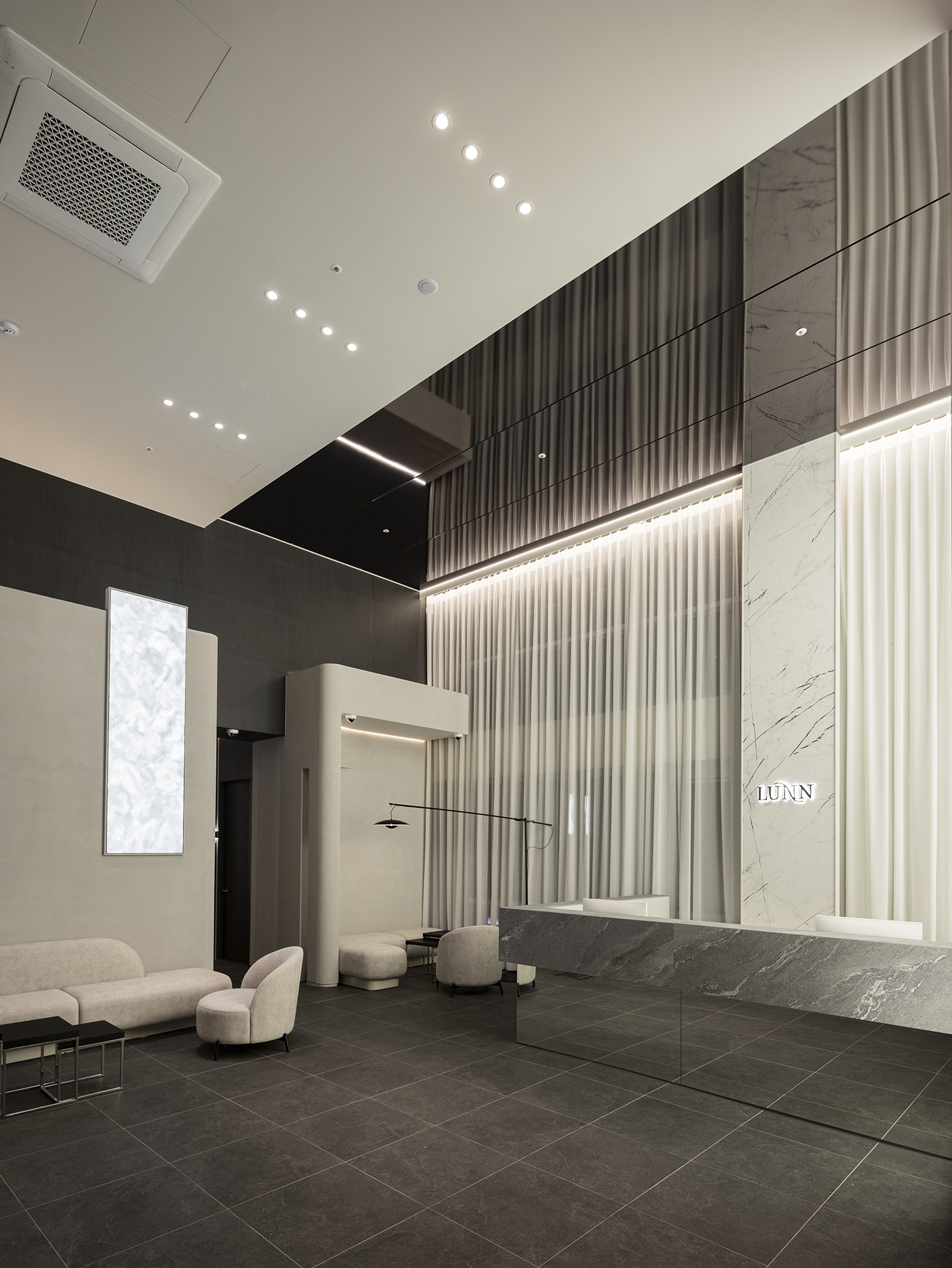
Choosing a clinic in the Apgujeong Rodeo area means accessing a level of customization that is rare in general dermatology. At LUNN, every skin care program is built from the ground up, combining various modalities to suit the patient's unique biological age and skin type. We do not believe in one-size-fits-all 'factory-style' packages; instead, I personally monitor the skin's response at every stage of the treatment plan. This might involve alternating between lifting sessions and nutrient-dense injections to provide a comprehensive effect. Our facility, characterized by a 5-meter high ceiling in the heart of Cheongdam, provides a tranquil environment for professional treatment. We encourage patients to discuss their full medical history and current skincare routine. This transparency allows us to design a program that is both safe and effective, ensuring that every patient achieves a state of facial harmony that reflects their inner vitality.
Comparing Regeneration Methods: Non-Surgical vs. Surgical Approaches
Comparing regeneration methods involves evaluating the trade-offs between invasive surgery and non-invasive medical procedures. Key factors include the mechanism of action, the duration of the recovery period, the longevity of the results, and the overall safety profile of each intervention.
| Treatment Category | Primary Target | Recovery Time | Expected Longevity | Recommended Frequency |
|---|---|---|---|---|
| Thermage (RF) | Dermis (Elasticity) | 1 - 2 Days | 6 - 12 Months | Annual |
| Ultherapy (US) | SMAS Layer (Lifting) | Immediate | 12 - 18 Months | Annual |
| Skin Boosters | Mid-Dermis | 1 - 2 Days | 4 - 6 Months | Every 3-6 Months |
| Fillers | Structural Hollows | 1 - 3 Days | 6 - 18 Months | As Needed |
| Surgical Facelift | Muscle & Tissue | 2 - 4 Weeks | 10+ Years | Once per Decade |
Recovery Time and Impact on Daily Life
One of the most significant advantages of non-surgical skin regeneration is the minimal impact it has on a patient's professional and social life. Unlike surgical options that require significant downtime and visible scarring, most non-invasive procedures allow for a return to normal activities within a very short period. For example, lifting lasers and skin boosters often leave only temporary redness that can be concealed. At LUNN, we emphasize that 'minimal downtime' does not mean 'no recovery'; the skin is still undergoing internal healing and requires protection from stressors like UV rays and saunas. Most patients today choose non-surgical methods specifically because of the convenience and lower risk profile. While the results are more subtle and gradual than surgery, the ability to improve one's appearance without the burden of a long recovery makes these treatments highly attractive for busy individuals.
Longevity of Results and Maintenance Requirements
The longevity of non-surgical results depends heavily on the individual's lifestyle and the specific biological capacity of their skin. While surgical results can last a decade, non-invasive treatments typically provide benefits for 6 to 18 months. To maintain a consistent appearance of facial harmony, we recommend a consistent maintenance schedule at LUNN. For instance, a single annual lifting treatment combined with periodic skin booster sessions can sustain high levels of collagen density. Clinical experience suggests that patients who adhere to a consistent schedule can more effectively retain skin elasticity. It is a marathon, not a sprint; consistent care helps to slow down the visible effects of aging. We work closely with our patients to create a long-term calendar that aligns with their goals, ensuring that the effects are cumulative rather than temporary.
Safety Profiles and Potential Side Effects
Safety is the cornerstone of every procedure performed at LUNN. Non-surgical treatments are generally considered very safe when administered by a board-certified dermatologist using FDA-cleared technology. However, no medical procedure is entirely without risk. Potential side effects can include temporary swelling, bruising, redness, or localized tenderness. In rare cases, more significant complications can occur, which is why direct medical supervision by a specialist is vital. We utilize sterile techniques and follow strict medical protocols to mitigate these risks. It is important for patients to understand that individual results may vary, and multiple sessions are often necessary to achieve the desired outcome. During the consultation, we provide a detailed explanation of the risks associated with each specific treatment. This balanced approach ensures that patients are well-informed and can proceed with confidence, knowing that their safety and health are our highest priorities.
Frequently Asked Questions
Q. What exactly is non-surgical skin regeneration?
Non-surgical skin regeneration refers to treatments that stimulate the natural healing processes of the body to improve skin texture, elasticity, and volume without surgery. This includes therapies like Thermage, Ultherapy, and skin boosters that target specific layers of the skin to induce collagen production. Most patients prefer these methods for a more gradual and natural transformation.
Q. How long do the results of Ultherapy usually last?
Generally, results from Ultherapy can be observed for 12 to 18 months as the treatment stimulates new collagen production in the deep SMAS layer. However, the duration varies based on individual skin condition, lifestyle choices, and the biological rate of aging. We typically recommend annual maintenance to sustain the lifting effect.
Q. Is laser treatment painful for sensitive skin?
Most patients describe the sensation as a series of warm pinpricks. At LUNN, we use topical numbing creams and integrated cooling systems to manage discomfort effectively. Temporary redness or slight swelling may occur after the procedure, but these typically subside within a few days. We customize the 'parameters' of the device to match each patient's sensitivity.
Q. Can I combine fillers with non-invasive skin tightening?
Yes, combining these treatments is often recommended to achieve optimal facial harmony. Tightening addresses skin laxity (the 'foundation'), while fillers restore lost structural volume (the 'details'). However, the sequence and timing must be carefully planned by a dermatologist to ensure that the heat from lifting devices does not negatively affect the filler material.
Q. What are the common side effects of premium skin boosters?
Common side effects include minor bruising, swelling, or small bumps at the injection sites, which usually resolve within 24 to 48 hours. Rare risks include allergic reactions or infection, which is why a sterile medical environment is essential. We provide comprehensive aftercare instructions to ensure a smooth recovery.
Q. Does non-surgical double chin reduction require downtime?
One of the primary benefits is minimal downtime. Most patients return to daily activities immediately, though some minor swelling or tenderness in the treated area may persist for two to three days. We recommend avoiding high-intensity exercise and saunas for at least one week to allow the tissues to heal undisturbed.
Q. How should international tourists prepare for skin treatments in Seoul?
We recommend scheduling a consultation early in your trip for proper assessment. It is important to disclose your medical history and current medications to your dermatologist. Avoiding heavy alcohol consumption and excessive sun exposure before and after the procedure can help reduce the risk of bruising and sensitivity during your stay.
Key Takeaways
- Non-surgical skin regeneration focuses on stimulating natural collagen through devices like Thermage, Ultherapy, and ONDA.
- Precision is key; even a 1mm adjustment in facial design can enhance overall harmony and natural balance.
- Most non-invasive procedures offer short recovery times, allowing patients to return to daily life within 24 to 48 hours.
- Maintenance is essential for long-term results, with regular follow-ups helping to sustain dermal density and elasticity.
- Always prioritize treatments from a board-certified dermatologist who provides 'consistent responsibility' from consultation to procedure.
For more information on precision facial design or to schedule a consultation, please visit LUNN. You can also follow my latest insights on Threads @dr.lunn.
LUNN / Dr. Hyungkwon Park
FAQ
- What exactly is non-surgical skin regeneration?
- Non-surgical skin regeneration refers to a suite of treatments that stimulate the natural healing processes of the body to improve skin texture, elasticity, and volume without making large incisions. This includes laser therapies, skin boosters, and radiofrequency treatments that target specific layers of the skin to induce collagen production. Most patients prefer these methods because they offer a more gradual and natural transformation than traditional surgery.
- How long do the results of a thread lift for the jawline usually last?
- The duration of results varies based on the individual and the type of threads used during the procedure. Generally, results can be observed for 6 to 12 months as the threads slowly dissolve and stimulate new collagen production in the subcutaneous layer. Factors like skin condition, lifestyle choices, and the biological rate of thread absorption will influence the final timeline of the lifting effect.
- Is the Re2O laser treatment painful for sensitive skin?
- Most patients describe the sensation as a series of warm pinpricks or slight snapping against the skin. While individual pain tolerance differs, we apply topical numbing creams and use integrated cooling systems at lunnclinic to manage discomfort effectively. Temporary redness or slight swelling may occur after the procedure, but these typically subside within a few days without needing medical intervention.
- Can I combine fillers with non-invasive skin tightening?
- Yes, combining these treatments is often recommended to achieve optimal facial harmony. We call this a customized facial design where tightening addresses skin laxity while fillers restore lost structural volume. However, the sequence and timing of these procedures must be carefully planned by a dermatologist to ensure that the energy from the lifting devices does not prematurely degrade the filler material.
- What are the common side effects of premium skin boosters?
- Common side effects include minor bruising, swelling, or small bumps at the injection sites, which usually resolve within a few days as the product integrates into the dermal tissue. Rare risks include allergic reactions or infection, which is why clinical supervision and a sterile medical environment are essential. We provide comprehensive aftercare instructions to help manage these temporary effects and ensure smooth recovery.
- Does non-surgical double chin reduction require downtime?
- One of the primary benefits of non-surgical reduction is minimal downtime compared to traditional liposuction. Most patients can return to their daily activities immediately, though some minor swelling or tenderness in the treated area may persist for a short period of two to three days. We recommend avoiding high-intensity exercise for at least 48 hours to allow the treated tissues to begin the healing process undisturbed.
- How should international tourists prepare for skin treatments in Seoul?
- We recommend scheduling a consultation early in your trip to allow for proper assessment and any necessary follow-up care before your departure. It is important to disclose your current skincare routine and any medications to your dermatologist to ensure the safest treatment plan. Additionally, avoiding heavy alcohol consumption and excessive sun exposure before the procedure can help reduce the risk of bruising and sensitivity.