
Post
Non-Surgical Facial Volume Restoration: A Specialist's Guide to Precision Design at LUNN
Non-surgical facial volume restoration refers to a collection of minimally invasive aesthetic treatments used to replenish lost facial contours and improve skin elasticity.
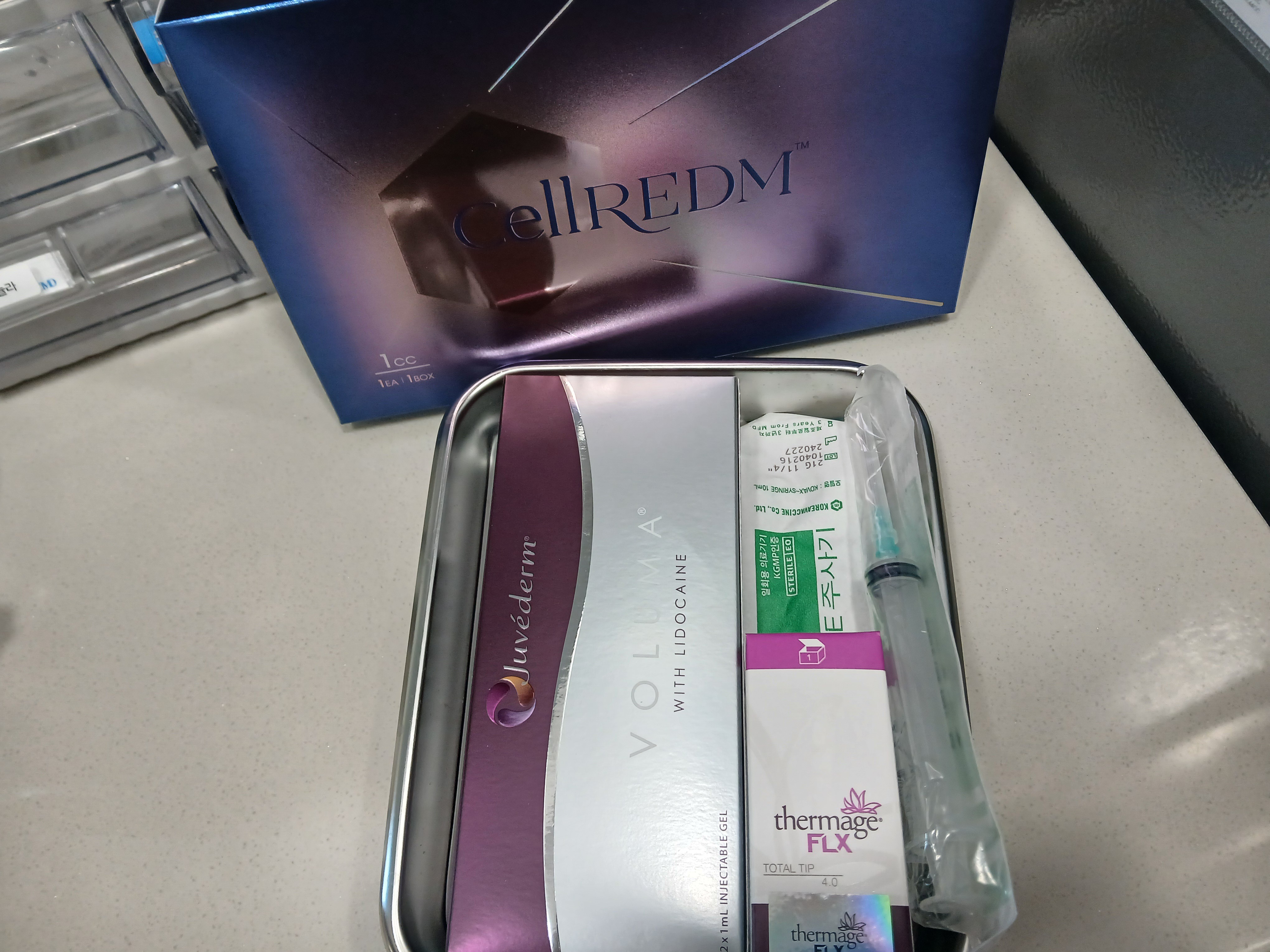
The modern emphasis has shifted from simply filling spaces to a more nuanced anatomical reconstruction. As the director of LUNN, I, Dr. Hyung-kwon Park, focus on the science and precision required to achieve natural facial harmony. My philosophy is that a difference of even 1mm can drastically change one's impression, which is why a detailed, customized design is paramount.
Understanding Non-Surgical Facial Volume Restoration
Facial volume loss is a multi-dimensional aging process involving the atrophy of fat pads, the resorption of bone density, and the degradation of collagen fibers. Non-surgical restoration techniques aim to counteract these changes by strategically placing biocompatible materials or using energy-based devices to provide structural support. This approach allows for a rejuvenated appearance with significantly less downtime compared to surgical alternatives.
The Anatomy of Volume Restoration in Modern Aesthetics
Facial aging is primarily characterized by the depletion of deep fat pads and the thinning of the dermal layer. At LUNN, the restoration process begins with a thorough mapping of these anatomical layers to identify exactly where support has been lost. Hyaluronic acid (HA) remains a cornerstone of this process. However, precision is paramount; shifting the injection point slightly can change how light and shadow interact on the face. I often describe dark circles, for example, as a 'shadow' created by the boundary between the mountains and valleys of the facial structure. By placing filler deep in the supraperiosteal layer, we can mimic the support previously provided by bone. While results are highly effective for many, individual metabolic rates affect longevity, and outcomes may vary based on skin quality.
Core Technologies for Non-Invasive Skin Tightening and Volume
Modern aesthetic technology focuses on bio-stimulation and energy delivery to restore the skin's natural architecture from within. Rather than relying solely on additives, these methods encourage the body to regenerate its own structural proteins. I believe that like house repairs, if the foundation is weak, just changing the wallpaper (the surface) won't suffice. We must improve the structure first.
Facial Volume Restoration with Low-Hydrophilicity Fillers
For delicate areas like the under-eyes, I prefer using low-hydrophilicity fillers, such as Belotero. These materials attract less water, which helps minimize post-procedure swelling and the 'Tyndall effect' (a bluish tint under the skin). At LUNN, a combination approach is often used to achieve both immediate refinement and long-term improvement. For instance, I may suggest 'synergy programs' where skin boosters are applied to improve the skin's base condition before performing laser treatments. It is crucial to manage expectations, as full results from structural improvement take time. Potential side effects include localized swelling, minor bruising, or temporary tenderness, which typically resolve within a few days. Choosing the correct material requires a deep understanding of the patient's skin thickness and underlying skeletal structure.
Non-Invasive Skin Tightening Technology: The Layered Approach
Energy-based lifting technologies serve as a non-surgical foundation for volume restoration by tightening the skin envelope to better support injected materials. We utilize a 'layered design' approach using specific devices:
- Ultherapy: Targets the deep SMAS (Muscular) layer for foundational lifting.
- Thermage: Provides uniform elasticity across the entire dermal layer.
- ONDA: Simultaneously addresses volume reduction and elasticity.
Clinical experience shows that skin elasticity can be meaningfully improved through these customized treatment plans. Patients may experience mild erythema or a tingling sensation for a few hours post-treatment. To achieve optimal results, I tailor the parameters—such as energy levels and depth—to the specific needs of each patient rather than using a 'one-size-fits-all' factory approach. A Specialist's Guide to Korean Skin Boosters: Achieving Facial Harmony at LUNN provides further insight into how skin quality is maintained alongside these lifting procedures.
Advanced Strategies for Lower Face Refinement
Refining the lower face requires a specialized approach that addresses both skin laxity and fat distribution. The jawline and chin areas are critical for defining the facial profile and providing a youthful silhouette. Instead of invasive methods, we focus on mechanical and thermal support to sculpt the face.
Precision Lifting for Jawline Definition
By utilizing energy-based devices that induce thermal coagulation, we can stimulate the body's natural healing response to contract tissues along the jawline. At LUNN, I focus on specific vectors of tension to ensure the result remains natural. While some improvement is visible early on, the final refinement usually peaks over several months as new collagen forms. Potential side effects like temporary swelling or redness are common but usually dissipate quickly. A specialist must evaluate each case carefully, as these treatments are most effective for mild to moderate laxity. I always tell my patients that I will treat them as I would my own family, which means being honest about the limitations of each procedure.
Comparison of Facial Volume Restoration Approaches
Selecting the appropriate treatment requires a comparative analysis of longevity and the specific anatomical goals of the patient. The following table provides a neutral overview of the common options available at LUNN.
| Treatment Type | Primary Mechanism | Typical Duration | Downtime | Key Benefit |
|---|---|---|---|---|
| HA Fillers (e.g., Belotero) | Physical Volumizing | 6 - 18 Months | 1 - 3 Days | Immediate correction of hollows and shadows |
| Skin Boosters | Tissue Hydration & Repair | Varies by Cycle | Minimal | Improved skin texture and 진진피 environment |
| Ultherapy / Thermage | Thermal Contraction | 6 - 12 Months | Minimal | Foundational lifting and dermal elasticity |
| ONDA Lifting | Microwave Energy | 6 - 12 Months | Minimal | Dual effect of volume contouring and tightening |
Specialized Rejuvenation at LUNN Dermatology Clinic
Located in Cheongdam, Gangnam, LUNN provides a specialized environment for those seeking high-end facial design. The clinic's philosophy, "Refining the Details," is rooted in the belief that true beauty lies in achieving perfect harmony.
The LUNN Approach: Harmony through Detail
My approach is guided by direct involvement in every step, from the initial consultation to the procedure and follow-up. In my view, a good device is like a good camera; it requires a skilled eye to produce a masterpiece. I emphasize a conservative approach, often preferring to perform procedures in increments to ensure natural results and avoid over-correction. While non-surgical procedures are generally safe, I prioritize patient safety by discussing all potential risks, including minor asymmetry or temporary sensitivity, prior to treatment. By focusing on the natural movement and layers of the face, I help my patients achieve a rejuvenated look that respects their unique identity. For more on our methodology, see Precision Facial Design: The Philosophy of Dr. Hyung-kwon Park at LUNN.
Frequently Asked Questions
Q. What exactly is non-surgical facial volume restoration?
It refers to a range of minimally invasive procedures, such as dermal fillers and energy-based lifting, designed to replenish lost volume and improve facial contours. These treatments provide an alternative to surgery for those looking to address hollows or sagging with minimal downtime.
Q. How long do the results of these volume restoration treatments typically last?
The duration of results varies depending on the materials and devices used. For example, hyaluronic acid fillers may last 6 to 18 months, while energy-based lifting results may be maintained for up to a year. Individual metabolism and the specific treatment area also influence how long the effects remain visible.
Q. Are there any common side effects associated with non-invasive lifting?
Common side effects include temporary swelling, redness, or mild bruising at the treatment site. These typically resolve within a few days to a week. Rare risks like infection or nodules are minimized when the procedure is performed by a specialist in a sterile environment.
Q. How does energy-based lifting differ from dermal fillers?
Lifting devices like Ultherapy or Thermage focus on tightening the existing skin and foundational layers (SMAS), whereas fillers add physical volume to fill in hollow or sunken areas. I often combine both to achieve structural balance and optimal contouring.
Q. Why is the interval between treatments important for laser hair removal or lifting?
Treatments like laser hair removal must target hair in the 'growth phase,' and lifting requires time for collagen to regenerate. I emphasize specific intervals (e.g., 4-8 weeks for hair) to ensure the highest efficacy; skipping or rushing these intervals can lead to suboptimal results.
Q. Can international visitors receive these treatments while in Seoul?
Yes, LUNN offers programs tailored for international visitors. These programs prioritize treatments with low downtime and immediate refinement to accommodate travel schedules without compromising on quality.
Q. Is non-surgical restoration suitable for all types of facial aging?
While effective for many, individuals with severe skin laxity may require surgical intervention. A personalized consultation is necessary to determine the most effective approach for your specific anatomy and to ensure expectations are realistic.
Key Takeaways
- Facial volume restoration at LUNN focuses on anatomical precision and structural harmony rather than excessive filling.
- Combining fillers (like Belotero) and energy-based lifting (Ultherapy, Thermage, ONDA) provides a multi-layered approach to rejuvenation.
- Precision within 1mm is essential for maintaining natural facial harmony and avoiding an artificial appearance.
- Individual results vary, and a specialist consultation is required to address specific risks and side effects.
LUNN / Dr. Hyung-kwon Park
FAQ
- What exactly is non-surgical facial volume restoration?
- It refers to a range of minimally invasive procedures, such as dermal fillers, biostimulators, and skin boosters, designed to replenish lost volume and improve facial contours. These treatments provide an alternative to surgery for those looking to address hollows or sagging with minimal downtime.
- How long do the results of these volume restoration treatments typically last?
- The duration of results varies depending on the materials used in the procedure. For example, hyaluronic acid fillers may last 6 to 18 months, while biostimulators can provide results for up to 2 years. Individual metabolism and the specific treatment area also influence how long the effects remain visible.
- Are there any common side effects associated with non-invasive lifting?
- Common side effects include temporary swelling, redness, or mild bruising at the injection or treatment site. These typically resolve within a few days to a week. Rare risks like infection or nodules are minimized when the procedure is performed by a board-certified dermatologist in a sterile environment.
- How does a thread lift for the jawline differ from dermal fillers?
- A thread lift physically repositions sagging tissue to provide a visible lifting effect, whereas fillers add volume to fill in hollow or sunken areas. A dermatologist-led facial design often combines both methods to achieve structural balance and optimal contouring.
- What is the expected recovery time for non-surgical double chin reduction?
- Most non-surgical fat reduction or tightening treatments involve very little downtime for the patient. You might experience slight tenderness or swelling for 3 to 7 days, but most individuals can return to their daily activities immediately after the session.
- Can international visitors receive these treatments while in Seoul?
- Yes, many clinics in Korea, including lunnclinic, offer programs specifically tailored for international visitors. These programs often prioritize treatments with low downtime and immediate refinement to accommodate tight travel schedules without compromising on quality.
- Is non-surgical restoration suitable for all types of facial aging?
- While effective for many, individuals with severe skin laxity may require surgical intervention to achieve their desired results. A personalized consultation is necessary to determine the most effective approach for your specific anatomy and to ensure expectations are realistic.