
Post
Non-Invasive Skin Tightening Technology: A Professional Guide to Facial Rejuvenation
Hi, I'm Dr. Hyeong-kwon Park, a board-certified dermatologist and the director of LUNN in Cheongdam and Apgujeong Rodeo. Non-invasive skin tightening technology refers to advanced medical procedures that utilize energy-based modalities to firm and rejuvenate the skin without the need for surgical incisions.
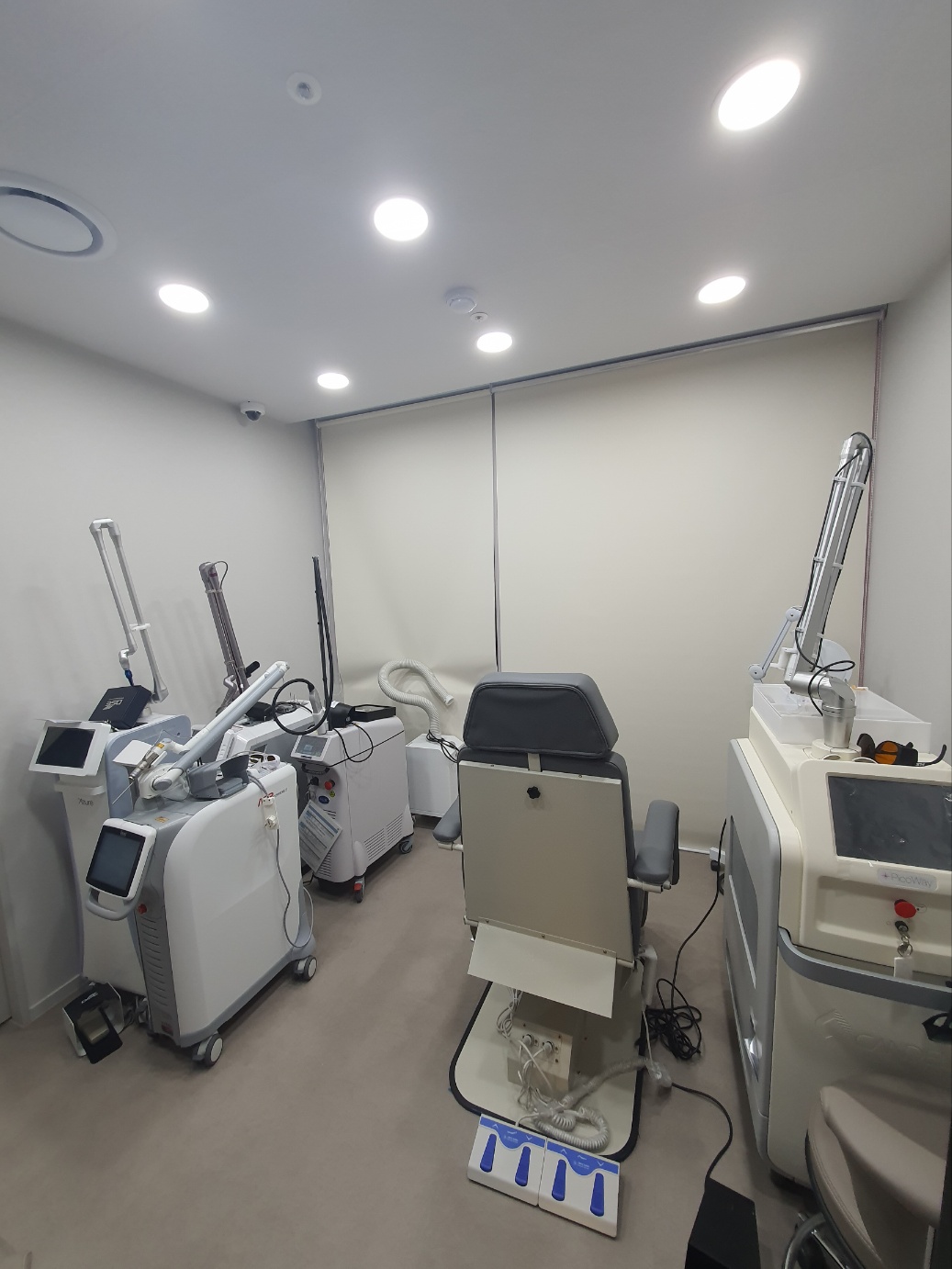
In this guide, I will share professional insights on how these technologies work, the results you can expect, and how we achieve facial harmony through personalized care. At LUNN, we believe that refining the details is the key to achieving perfect harmony in beauty.
Defining Non-Invasive Skin Tightening Technology and Its Benefits
Non-invasive skin tightening technology is a medical approach that employs energy sources such as radiofrequency or ultrasound to stimulate the body's natural regenerative processes. By heating specific layers of the skin, these treatments trigger a controlled healing response that improves structural integrity from within. Unlike invasive procedures, this approach focuses on biological rejuvenation that respects the existing anatomy of the face.
The Science of Energy-Based Collagen Regeneration
Non-invasive skin tightening technology focuses on the biological stimulation of structural proteins within the extracellular matrix. By delivering controlled thermal energy to the dermis, these devices induce microscopic thermal zones that trigger the body’s innate healing mechanism. This process involves the activation of fibroblasts, which are the primary cells responsible for synthesizing new collagen and elastin fibers. In my experience at LUNN, the success of this treatment relies on the precise calibration of energy levels—what I call 'refining the details'—to ensure tissue remodeling without damaging the skin surface. Clinical observations in specific cases indicate that while immediate contraction of existing collagen fibers may occur, the most significant results are the byproduct of neocollagenesis. This physiological transformation typically unfolds over a period of 60 to 180 days, leading to a visible improvement in skin elasticity and thickness. Understanding this timeline is crucial for patients seeking a gradual and natural-looking enhancement of their facial contours and skin density.
Targeting Deep Skin Layers Without Surgical Incisions
The primary advantage of modern tightening modalities is their ability to reach specific anatomical depths without the risks associated with surgical intervention. For instance, micro-focused ultrasound can precisely target the Superficial Musculoaponeurotic System (SMAS) layer, which is the same foundational layer addressed during a traditional surgical facelift. By bypassing the epidermis, these energy-based devices deliver heat to depths ranging from 1.5mm to 4.5mm depending on the treatment area. At LUNN, I emphasize that this depth-specific targeting allows for structural lifting of the brow and neck. It is important to note that while the technology is powerful, the safety profile remains high because the surface of the skin is left undisturbed. However, patients should be aware that deeper energy delivery can occasionally cause temporary tingling, mild swelling, or nerve sensitivity, which generally resolves within a short timeframe following the session at our specialized clinic in Seoul.
Achieving Natural Firmness Through Tissue Remodeling
Tissue remodeling is a complex biological sequence that results in the refinement of the skin’s structural integrity over several months. Unlike fillers that provide immediate volume, non-invasive skin tightening technology works by improving the skin's own scaffolding. At LUNN, we observe that this approach yields organic rejuvenation, as the changes occur within the patient's own tissue. Based on clinical experience with various cases, many patients see a peak in skin firmness approximately three to six months post-procedure. While these effects are often sustained long-term, the exact duration of the results depends entirely on the individual's initial skin condition, overall health, and natural aging rate. To maintain these results, I often recommend a customized maintenance program tailored to the patient’s specific needs. It is essential to manage expectations, as these non-surgical methods are best suited for mild to moderate sagging rather than severe tissue displacement, and results may vary between individuals.
Comparing Popular Tightening Modalities for Facial Rejuvenation
Choosing the right modality is essential for achieving optimal rejuvenation, as different technologies target various skin layers and concerns. Modalities are generally categorized by the type of energy they emit and the depth at which they operate to refine the facial structure. A one-size-fits-all approach is something I strictly avoid at LUNN, as every face requires a unique blueprint.
Micro-Focused Ultrasound for Structural SMAS Lifting
Micro-focused ultrasound (MFU) has established itself as a cornerstone in the field of non-surgical lifting due to its unique ability to visualize and treat foundational tissue layers. By utilizing real-time ultrasound imaging, I can see the exact layer of tissue being treated, ensuring that energy is delivered precisely to the SMAS or deep dermis. This technology is particularly effective for lifting the submental area and refining the jawline. Depending on the individual's skin thickness and degree of laxity, some patients may see initial lifting from a single session, though I often discuss the potential for periodic maintenance or multiple treatments during a personal consultation to ensure the best long-term outcome. The high-intensity focused energy creates localized thermal coagulation points, which contract the tissue and stimulate lifting. While the procedure is generally well-tolerated, some individuals may experience temporary redness or mild edema for a few hours.
Radiofrequency Technology for Dermal Texture Refinement
Radiofrequency (RF) technology utilizes electromagnetic waves to generate heat within the skin’s dermal layers, focusing more on texture refinement and surface tightening than deep structural lifting. This modality is highly versatile and can be applied to various areas of the face and body to improve overall skin quality. In my practice at LUNN, I often utilize RF for patients who primarily struggle with fine lines, enlarged pores, or mild skin laxity. The energy is delivered through either monopolar or bipolar configurations, which determine the depth of the thermal effect. By heating the dermis to a therapeutic range, typically between 40 to 45 degrees Celsius, RF triggers the contraction of existing collagen fibers and encourages the production of new ones. Patients often find RF treatments to be comfortable, though achieving desired results typically requires a series of treatments over several weeks. The presence of mild erythema post-treatment is a common but temporary occurrence.
Comparative Analysis of Energy Depths and Patient Outcomes
Choosing between ultrasound and radiofrequency depends on the patient's specific anatomical needs and aesthetic goals. In many cases I have treated, a synergistic approach yields a more balanced outcome. For example, using ultrasound for deep structural lifting combined with radiofrequency for dermal texture refinement can provide a comprehensive rejuvenation effect. At LUNN, every patient undergoes a thorough consultation where I personally check skin thickness and muscle activity by hand. Clinical observations show that patients are most satisfied with energy-based tightening when their goals align with the capabilities of the technology. It is vital to understand that while these devices are effective at firming the skin, they do not address significant volume loss or severe redundant skin. Therefore, I may recommend integrating these treatments with other procedures, such as collagen stimulators, to achieve a balanced and harmonious facial design.
| Feature | Micro-Focused Ultrasound (MFU) | Radiofrequency (RF) |
|---|---|---|
| Primary Target Layer | SMAS (Deep) & Dermis | Dermis (Mid-to-Surface) |
| Main Benefit | Structural Lifting & Contouring | Texture Refinement & Tightening |
| Energy Type | Sound Waves (Ultrasound) | Electromagnetic Waves |
| Usual Session Count | Varies (Based on Consultation) | Series of 3–5 sessions |
| Recovery Time | Minimal (0–2 days) | Very Minimal (0–1 day) |
Advanced Applications for Jawline Definition and Double Chin Reduction
Modern non-invasive techniques allow for high-precision contouring of specific facial areas, particularly the lower face and submental region. These applications focus on defining the jawline and reducing fullness to restore a youthful profile. My philosophy is that a 1mm difference in how technology is applied can completely change the naturalness of the result.
Non-Surgical Double Chin Reduction Techniques in Seoul
Addressing the submental area requires a nuanced understanding of both fat distribution and skin elasticity. Non-invasive skin tightening technology has revolutionized how we treat the double chin by offering a way to tighten the skin while simultaneously reducing small pockets of fat. Specifically, focused ultrasound can be calibrated to target the subcutaneous fat layer, causing thermal disruption of fat cells while also stimulating collagen in the overlying skin. At LUNN, this approach allows us to define the jawline and reduce the appearance of submental fullness. In my clinical experience, patients who follow a personalized protocol often notice a more contoured profile within three months of their treatment. For those with more prominent fat deposits, I might combine energy-based tightening with other non-surgical fat reduction techniques. It is important to emphasize that while results can be impressive, they are most effective for patients with mild to moderate fullness.
Synergizing Thread Lifting with Energy-Based Devices
While energy-based devices are excellent for tightening, combining them with Korean Skin Clinic Lifting Treatment: Mastering Structural Harmony at LUNN can provide a mechanical lift that energy alone cannot achieve. This synergy is a hallmark of the advanced facial design philosophy we practice at LUNN. By placing dissolvable threads in the subcutaneous plane, we can reposition sagging tissue, while subsequent ultrasound or radiofrequency treatments work to firm the surrounding skin and stimulate long-term collagen growth. This multi-layered approach addresses both the immediate need for lifting and the long-term requirement for improved skin quality. Clinical experience suggests that for certain cases, combination therapies provide high satisfaction due to the comprehensive nature of the results. However, such advanced protocols require a deep understanding of facial anatomy. Every patient’s journey at my Apgujeong Rodeo clinic begins with a detailed mapping of the facial structures to ensure any combination is safe and effective.
Dermatologist-Led Facial Design for Optimal Contouring
Achieving an aesthetically pleasing result is not just about using the right machine; it is about the doctor's eye. Dermatologist-led facial design at LUNN involves a careful assessment of the patient's bone structure, muscle activity, and skin quality to create a customized treatment plan. We do not believe in a one-size-fits-all approach; instead, we refine the details of each procedure to enhance the patient's unique beauty. This level of precision is especially important when working on the jawline and chin, where subtle changes have a significant impact on facial harmony. By carefully selecting the energy depth and intensity, I can sculpt the face to create a more youthful appearance. It is this commitment to detail and structural harmony that defines our practice in the heart of Seoul. Patients should remember that the skill of the operator is just as important as the technology itself in achieving a safe and natural outcome.
Personalized Protocols at LUNN for Facial Harmony
At our clinic, we believe that true beauty stems from balance and harmony. Every treatment protocol is personalized to the individual's unique anatomical needs, ensuring that the results are both effective and natural-looking. I personally oversee each step, from consultation to the final procedure.
Refining Details with 1mm Precision and Customized Programs
Personalized protocols are essential because every individual’s skin ages differently. At LUNN, I design customized programs that may incorporate various energy-based modalities over several sessions. For example, a patient might start with a session of micro-focused ultrasound for deep structural support, followed by a radiofrequency treatment a few weeks later to address surface texture. This tiered approach allows us to address different layers of the skin at the appropriate time for maximum biological impact. My clinical experience suggests that customized, multi-modal treatments lead to more durable and natural-looking results compared to single-modality approaches. Our clinic’s focus on structural harmony means we look at the face as a whole, ensuring that the jawline, cheeks, and brow are in balance. This level of personalization is what patients expect from a specialized dermatology clinic in the Cheongdam area.
Integrating Facial Volume Restoration and Skin Boosters
Skin tightening is often most effective when paired with treatments that restore lost volume and hydration. As we age, we lose the underlying fat and bone density that support our skin. At LUNN, I often integrate volume restoration techniques with non-invasive skin tightening technology. Furthermore, Skin Booster Injection Seoul: Achieving Radiant Harmony at Lunn Dermatology Clinic containing hyaluronic acid can be used to improve the skin's moisture levels and radiance. By combining these treatments, we address both the drape and the structure of the face. This comprehensive strategy helps to achieve a more vibrant and youthful appearance that looks entirely natural. I personally oversee these integrated protocols to ensure that each component complements the others without over-treating any single area. This holistic approach is fundamental to our goal of achieving natural harmony, keeping in mind that individual responses to treatment can vary.
Understanding Potential Side Effects and Realistic Recovery
While non-invasive skin tightening technology is known for minimal downtime, it is important for patients to have a realistic understanding of the recovery process and potential risks. Most individuals can return to their daily activities immediately after a session at LUNN. Common side effects include mild erythema (redness) and slight edema (swelling), which typically subside within 24 to 48 hours. In some cases, patients may feel a temporary soreness or tingling sensation, particularly after deeper ultrasound treatments. Rare side effects, such as temporary bruising or transient nerve sensitivity, can occur but are usually self-limiting. It is vital to follow post-treatment instructions, such as avoiding excessive heat or sun exposure for a few days. During your consultation, I provide a detailed overview of what to expect based on your specific treatment plan, ensuring that you feel informed and comfortable throughout your rejuvenation journey in Seoul.
Frequently Asked Questions
Q. What is the primary mechanism of non-invasive skin tightening technology?
This technology uses energy-based modalities such as radiofrequency or focused ultrasound to heat the deeper layers of the skin. This process triggers the natural wound-healing response of the body, which stimulates the production of new collagen and elastin, leading to gradual firming of the skin over several months. It is a biological transformation rather than a temporary surface fix.
Q. How long does it typically take to see results from non-surgical lifting?
While some patients may notice immediate minor tightening due to collagen contraction, the most significant improvements generally appear between two to six months after the procedure. This timeline reflects the biological process of new collagen synthesis, though results can vary significantly between individuals based on age and skin condition. Patience is key when waiting for the body to rebuild its scaffolding.
Q. Can non-invasive technology effectively treat a double chin?
Yes, specific technologies like micro-focused ultrasound can target fat layers and tighten the skin under the chin. For many patients, combining energy-based tightening with localized fat reduction or dermatologist-led facial design provides a more defined jawline without the need for traditional surgery. This approach is effective for mild to moderate submental fullness.
Q. Are there any side effects or downtime associated with these treatments?
Most non-invasive tightening procedures involve minimal downtime, allowing patients to return to work immediately. Common temporary side effects include mild redness, slight swelling, or tingling in the treated area, which typically resolve within a few hours to a few days. Rare risks such as temporary bruising or nerve sensitivity should be discussed during your consultation at our Apgujeong Rodeo clinic.
Q. How does ultrasound tightening differ from radiofrequency treatments?
Ultrasound technology typically reaches deeper foundational layers, such as the SMAS layer, making it ideal for structural lifting of the brow or neck. Radiofrequency focuses more on the dermal layers to improve overall skin texture and mild sagging. A customized skin care program often utilizes both for comprehensive rejuvenation across different tissue levels.
Q. Who is the ideal candidate for non-invasive skin tightening?
The best candidates are individuals with mild to moderate skin laxity who wish to avoid surgery and the associated recovery time. While these treatments provide noticeable improvement, they do not replicate the results of a surgical facelift for severe cases. Patients with significant sagging may require a combination of therapies or different clinical approaches discussed during a consultation.
Q. How long do the effects of a non-invasive tightening procedure last?
Results can be sustained long-term, but the exact duration varies as the skin continues to age naturally. Maintenance sessions are often recommended to sustain the firming effects. I personally design these intervals based on the unique skin thickness and aging patterns of each patient at LUNN.
Key Takeaways
- Non-invasive tightening uses energy (Ultrasound/RF) to stimulate collagen naturally over several months.
- Depth-specific targeting allows for structural lifting of the SMAS layer (1.5mm–4.5mm) without surgery.
- Customized protocols at LUNN ensure facial harmony by combining various modalities for a natural look.
- Minimal downtime makes these procedures ideal for busy individuals, though temporary redness or swelling is possible.
- Long-term results are possible, though they vary based on individual skin health and maintenance schedules.
Follow us on Threads @dr.lunn for more dermatology insights.
LUNN / Dr. Hyeong-kwon Park
FAQ
- What is the primary mechanism of non-invasive skin tightening technology?
- This technology uses energy-based modalities such as radiofrequency or focused ultrasound to heat the deeper layers of the skin. This process triggers the natural wound-healing response of the body, which stimulates the production of new collagen and elastin, leading to gradual firming of the skin over several months. It is a biological transformation rather than a temporary surface fix.
- How long does it typically take to see results from non-surgical lifting?
- While some patients may notice immediate minor tightening due to collagen contraction, the most significant improvements generally appear between two to six months after the procedure. This timeline reflects the biological process of new collagen synthesis, though results can vary significantly between individuals based on age and skin condition. Patience is key when waiting for the body to rebuild its scaffolding.
- Can non-invasive technology effectively treat a double chin?
- Yes, specific technologies like micro-focused ultrasound can target fat layers and tighten the skin under the chin. For many patients, combining energy-based tightening with localized fat reduction or dermatologist-led facial design provides a more defined jawline without the need for traditional surgery. This approach is highly effective for mild to moderate submental fullness.
- Are there any side effects or downtime associated with these treatments?
- Most non-invasive tightening procedures involve minimal downtime, allowing patients to return to work immediately. Common temporary side effects include mild redness, slight swelling, or tingling in the treated area, which typically resolve within a few hours to a few days. Rare risks such as temporary bruising or nerve sensitivity should be discussed during your consultation at our Apgujeong Rodeo clinic.
- How does ultrasound tightening differ from radiofrequency treatments?
- Ultrasound technology typically reaches deeper foundational layers, such as the SMAS layer, making it ideal for structural lifting of the brow or neck. Radiofrequency focuses more on the dermal layers to improve overall skin texture and mild sagging. A customized skin care program often utilizes both for comprehensive rejuvenation across different tissue levels.
- Who is the ideal candidate for non-invasive skin tightening?
- The best candidates are individuals with mild to moderate skin laxity who wish to avoid surgery and the associated recovery time. While these treatments provide noticeable improvement, they do not replicate the results of a surgical facelift for severe cases. Patients with significant sagging may require a combination of therapies or different clinical approaches discussed during a consultation.
- How long do the effects of a non-invasive tightening procedure last?
- Results typically last between one to two years depending on the specific technology used and the patient's lifestyle. Because the skin continues to age naturally, maintenance sessions are often recommended to sustain the firming effects. I personally design these intervals based on the unique skin thickness and aging patterns of each patient at lunnclinic.