
Post
Nasolabial Folds Treatment Options: A 2026 Specialist Guide to Facial Harmony at LUNN
Hello, I am Dr. Hyungkwon Park, a board-certified dermatologist and the director of LUNN.
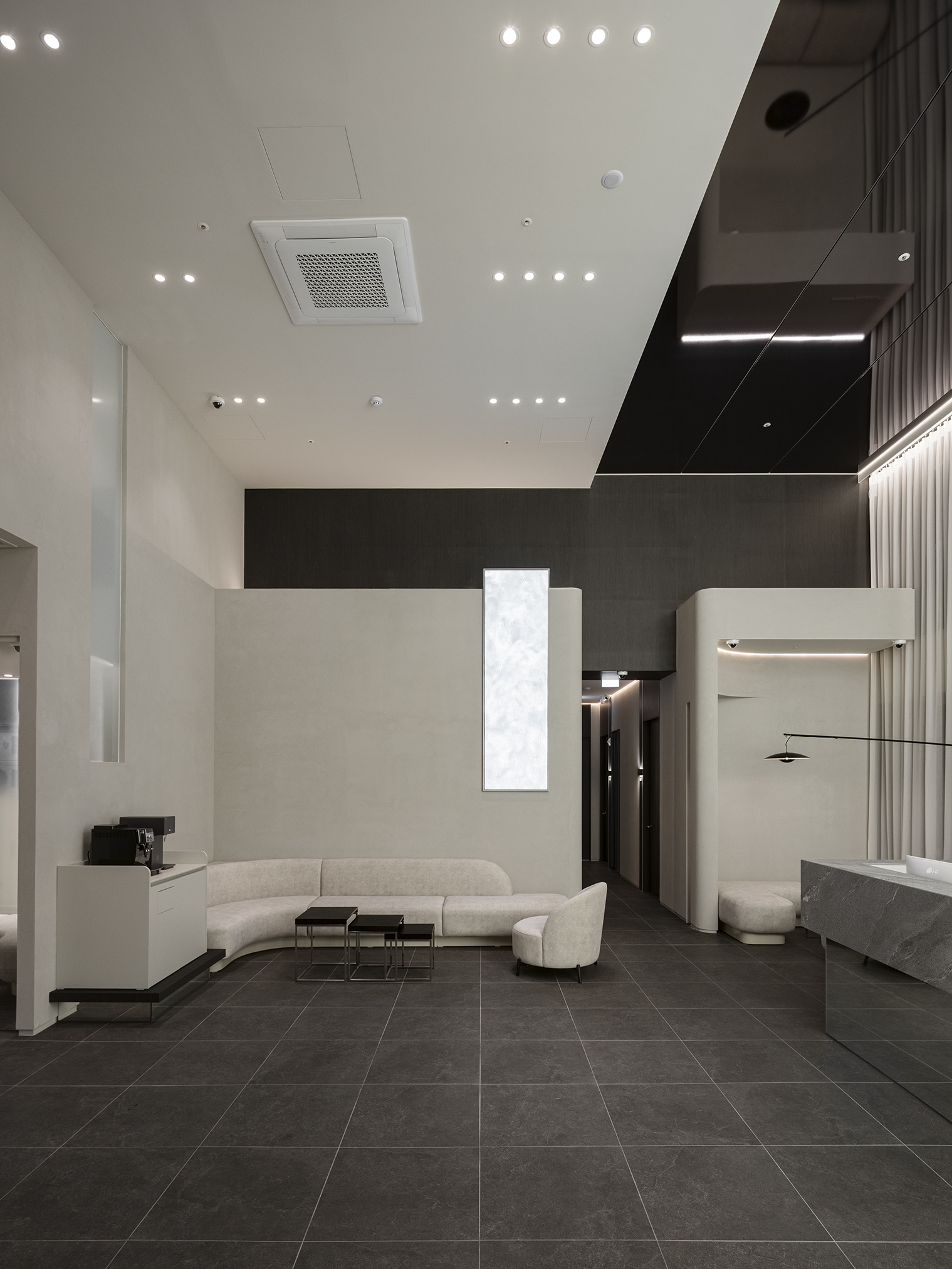
At LUNN, our philosophy is 'Refining the Details, Achieving Perfect Harmony.' We believe that true skill lies in creating natural results rather than forced changes. When treating nasolabial folds, often called smile lines, we don't just 'fill' a wrinkle; we analyze the entire facial structure to restore balance. In this guide, I will share professional insights on how we address these lines through precise structural design, keeping in mind that anatomical responses and results may vary for each patient.
Understanding Nasolabial Folds: Why We Develop Deep Smile Lines
Nasolabial folds are structural depressions in the mid-face that form where different muscle groups and fat compartments meet. While they are a natural part of our anatomy, their depth changes due to various physiological factors. Choosing the right nasolabial folds treatment options requires identifying the root cause. At LUNN, we meticulously analyze the skin, muscle, and bone structure to create a customized plan, ensuring we avoid an overfilled or unnatural appearance.
Defining Nasolabial Folds and Their Structural Causes
Nasolabial folds are more than just surface wrinkles; they represent a complex boundary between cheek tissues and the upper lip. These lines are anchored by ligaments connecting the skin to the facial bone. In 2026, the field of medical aesthetics focuses on how these folds are influenced by all five facial layers. The descent of the malar fat pad often creates downward pressure on this junction. At LUNN, we perform a detailed assessment to see if the fold is caused by tissue sagging or a lack of deep support. By focusing on 1mm differences in tissue depth, we strive for a youthful look that preserves natural facial expressions.
The Role of Aging and Facial Volume Loss
Facial volume loss is a primary reason smile lines deepen. As we age, individuals experience a gradual depletion of deep fat pads and changes in bone density. This loss of structural support causes the overlying skin to shift, creating a heavier appearance at the fold. At LUNN, we observe that this volume loss typically begins in the mid-face and temples. When these anchors weaken, cheek tissue collapses toward the center of the face. Addressing this requires a strategic restoration of volume to lift the fold indirectly. Our goal is to restore natural contours and ensure a smooth, harmonious transition between the cheek and mouth.
How Skin Elasticity Affects Fold Depth
Skin elasticity acts as a barrier against permanent creases. Collagen and elastin fibers provide the structural integrity needed to keep skin taut. However, as we age, the production of these proteins naturally declines. This leads to skin laxity, where the skin struggles to hold its position. At LUNN, we emphasize that external factors like sun exposure can accelerate this process. When skin loses its 'snap-back' quality, facial movements can etch static lines into the dermis. Enhancing skin health is vital for long-term facial harmony and sustainable results, often requiring a combination of tightening treatments to improve overall skin quality.
Non-Invasive Skin Tightening Technology for Nasolabial Areas
Non-invasive skin tightening utilizes energy-based devices to stimulate collagen and lift tissues without surgery. These nasolabial folds treatment options are effective for mild to moderate laxity. At LUNN, we use advanced systems targeting different depths for a multi-layered effect. These are ideal for patients seeking gradual improvement with minimal disruption. 3D Face Contouring Treatment: A 2026 Specialist Guide by Dr. Hyung-gwon Park offers more details on integrating these technologies.
Ultherapy and Thermage for Structural Lifting
Ultherapy and Thermage are cornerstones of non-invasive lifting. Ultherapy uses micro-focused ultrasound to reach the SMAS layer, providing structural elevation of the cheek tissues. Thermage uses radiofrequency energy to heat the dermis, stimulating collagen renewal. Results are typically most visible 3 to 6 months after a session as the body produces new collagen. Combining the deep lifting of Ultherapy with the surface tightening of Thermage allows us to address nasolabial folds from multiple angles, respecting the patient's original facial geometry.
ONDA Lifting and Microwave Technology Benefits
ONDA lifting utilizes specialized 2.45 GHz Coolwaves to target fat cells and connective tissue. This allows for precise contouring of the nasolabial fat pads, reducing the 'heaviness' that deepens the fold. At LUNN, we find ONDA particularly beneficial for patients who have excess fat in the lower face. The system includes a cooling mechanism to protect the epidermis. By reducing the volume of descending cheek fat, we can naturally soften smile lines, providing an excellent alternative for those seeking a more defined facial profile without traditional fillers.
Facial Volume Restoration with Fillers and Skin Boosters
Facial volume restoration replaces lost fat and bone support using injectables. This is an immediate and effective nasolabial folds treatment option. At LUNN, we believe volume restoration must be subtle. Instead of just 'filling' a line, we rebuild the collapsed facial architecture. This prevents the 'puffy' look caused by improper injection techniques. Face Line Sculpting with Fillers: A 2026 Specialist's Guide to Facial Harmony at LUNN details our specific injection philosophies.
Hyaluronic Acid Fillers for Instant Volume Support
Hyaluronic acid (HA) fillers, such as Belotero, are common for immediate correction. At LUNN, we use premium HA fillers to provide structural support to the mid-face. By injecting small amounts into deeper layers, we lift the nasolabial area without adding bulk. We often use 'low-hydrophilicity' fillers to minimize post-procedure swelling. Results are visible immediately, though minor swelling or bruising may occur for a few days. Our precision-focused approach ensures the filler integrates naturally, allowing for genuine expression.
Collagen Stimulators and PDLLA for Natural Restoration
Collagen stimulators, like PDLLA, encourage the body to produce its own natural collagen over time. At LUNN, we recommend these for patients preferring gradual, long-lasting improvement. Once injected, PDLLA acts as a scaffold for new tissue growth. While the initial fluid dissipates quickly, real results emerge after 4 to 8 weeks. This bio-stimulatory method is a key component of our long-term strategies, creating natural volume that improves skin thickness and health.
Premium Skin Booster Injections for Surface Refinement
Premium skin boosters improve hydration and elasticity using stabilized HA or polynucleotides (PN). Unlike fillers that add volume, boosters nourish the dermis. At LUNN, we use these to treat fine lines that remain after deeper folds are addressed. They provide a healthy glow and improve skin resilience. While they don't provide structural lift, they are essential for a smooth finish. We often combine boosters with other nasolabial folds treatment options for a holistic result.
Advanced Facial Design and Maintenance
At LUNN, we prioritize 'Facial Design,' ensuring every procedure is tailored to the individual's unique bone structure and aging pattern. This allows us to achieve high-precision results that respect natural nuances. For more information on expert care, you may read A 2026 Specialist's Guide to Finding a Dermatologist in Apgujeong Rodeo for Facial Harmony.
The Importance of Dermatologist-led Facial Design
Facial design is our core philosophy. We never apply nasolabial folds treatment options in a vacuum. We consider the entire face a unified landscape. A dermatologist-led approach ensures medical and aesthetic alignment. We account for facial expressions and skin thickness, using physical assessments to create a roadmap. Avoiding a generic look requires a deep understanding of anatomy and a commitment to precision. By focusing on harmony rather than just erasing a line, we help patients look like the best version of themselves.
Customized Skin Care Program for Long-term Maintenance
Maintaining results requires a dedicated strategy. At LUNN, we provide patients with customized skin care programs including medical-grade topicals to support collagen. Consistency is key to sustainability. We recommend regular follow-up appointments to assess progress and make adjustments. This proactive approach helps address aging early, potentially preventing more invasive procedures later. Our commitment to long-term care ensures your results remain natural for years to come.
Comparing Nasolabial Fold Treatment Options
Choosing the right treatment involves weighing benefits and recovery. The following table provides a comparison of common approaches at LUNN.
| Treatment Category | Primary Mechanism | Immediate Result | Recommended Frequency | Typical Recovery |
|---|---|---|---|---|
| HA Fillers | Volume replacement | High | Every 6-12 months | 1-3 days |
| Energy Devices | Collagen stimulation | Low (gradual) | 1-2 times per year | None to 1 day |
| PDLLA Stimulators | Bio-stimulation | Very Low (gradual) | Series of sessions | 1-2 days |
| Skin Boosters | Surface hydration | Medium | Every 3-6 months | 1 day |
Determining the Best Approach for Your Face Shape
Every face ages differently. Individuals with heart-shaped faces might need to restore cheek foundations first. Those with square face shapes might benefit more from ONDA or Ultherapy to address lower-face heaviness. We also consider skin thickness variations. Our goal is to enhance your natural features. By identifying your specific aging vectors, we create a plan for the most harmonious results possible.
Expected Recovery and Realistic Outcome Timelines
Healing is a biological process. For fillers, you see immediate improvement, but results settle over two weeks. Energy-based treatments like Ultherapy require patience, with peak results appearing at 3 to 6 months. Individual results vary based on genetics and lifestyle. Temporary redness, swelling, or bruising can occur. Rare but serious risks like infection or vascular issues exist, which is why choosing a qualified dermatologist is vital. We provide detailed aftercare to minimize these risks.
Frequently Asked Questions
Q. What are some effective ways to treat deep nasolabial folds?
The most effective approach often combines facial volume restoration (using fillers for hollows) and non-invasive skin tightening to lift sagging tissue. At LUNN, we analyze the five layers of the face to target the actual cause of the fold, not just the surface crease.
Q. Are results from nasolabial fold treatments permanent?
Non-surgical treatments like fillers are temporary, typically lasting 6 to 18 months. Because aging is continuous, maintenance through a customized program is recommended. We usually advise follow-up evaluations once or twice a year to maintain aesthetic balance.
Q. Is there any downtime associated with nasolabial fold fillers?
Some patients experience temporary swelling, redness, or bruising for 1 to 3 days. We recommend avoiding strenuous exercise or extreme heat for 48 hours to minimize these effects. Individual recovery varies depending on skin sensitivity.
Q. What are the potential risks or side effects of these treatments?
Possible side effects include temporary edema, bruising, or mild asymmetry. Rare but serious complications can occur, which is why seeking a board-certified dermatologist at LUNN is crucial for safety and precision.
Q. How many sessions are typically required for energy-based tightening?
For technologies like ONDA, an initial series of 3 sessions is often recommended. While improvements can appear after one visit, the cumulative effect of multiple sessions provides longer-lasting results. We customize frequency based on your specific condition.
Q. Why choose a specialized dermatology clinic in Seoul for this?
Clinics in Apgujeong Rodeo, like LUNN, offer advanced technology and high expertise in facial contouring. We focus on refining details for a balanced look, ensuring every treatment is based on a deep understanding of anatomy and clinical evidence.
Key Takeaways
- Multi-Layered Approach: Effective treatment involves addressing volume loss and skin laxity across all facial layers.
- Customization: Results depend on dermatologist-led design that respects unique bone structure and 1mm details.
- Combination Therapy: Mixing fillers and energy-based lifting often yields the most natural, harmonious results.
- Realistic Expectations: Some treatments are immediate, while collagen stimulation takes 3 to 6 months for full effect.
- Safety First: Choosing an experienced clinic like LUNN minimizes risks and ensures medical precision.
For personalized advice, I invite you to schedule a consultation. You can also follow our latest updates on Threads @dr.lunn.
LUNN / Dr. Hyungkwon Park
FAQ
- What is the most effective way to treat deep nasolabial folds?
- The most effective approach often involves a combination of facial volume restoration with fillers to address hollows and non-invasive skin tightening technology to lift sagging tissues. A dermatologist-led facial design is essential to determine the correct balance for your unique anatomy. At lunnclinic, we assess the 5 layers of the face to ensure that the treatment targets the actual cause of the fold rather than just the surface crease.
- Are results from nasolabial fold treatments permanent?
- Most non-surgical treatments like fillers or thread lifts are temporary, lasting from 6 to 18 months depending on the material used and individual metabolism. Continuous aging means maintenance through a customized skin care program is recommended for lasting facial harmony. We typically advise follow-up evaluations once or twice a year to maintain the desired aesthetic balance.
- Is there any downtime associated with nasolabial fold fillers?
- While fillers are minimally invasive, some patients may experience temporary swelling, redness, or bruising at the injection site for about 1 to 3 days. These typically resolve quickly, but individual recovery times can vary depending on skin sensitivity and the specific product used. We recommend avoiding strenuous exercise or heat exposure for the first 24 to 48 hours to minimize these side effects.
- Can a thread lift help with deep smile lines?
- Yes, a thread lift for the mid-face can physically elevate sagging skin that contributes to the fold by providing a direct mechanical lift. This is often paired with other treatments to ensure a natural transition between the cheeks and the mouth area. It is particularly effective for patients with significant skin laxity who are looking for more than what injectables can offer.
- What are the potential risks or side effects of these treatments?
- Potential risks include temporary redness, edema, bruising, or mild asymmetry during the healing phase. Rare but serious complications like vascular occlusion can occur with fillers if not performed by an expert, which is why seeking a board-certified dermatologist at a reputable clinic like lunnclinic is crucial. We prioritize patient safety and use advanced techniques to minimize the risk of adverse events.
- How many sessions are typically required for laser-based tightening?
- For technologies like Re2O or ONDA, an initial series of 3 sessions is often recommended to see significant skin texture refinement and tightening. While some patients may see improvements after a single visit, the cumulative effect of multiple sessions provides the most durable results. We customize the frequency based on your specific skin condition and aesthetic goals.
- Why should I choose a specialized dermatology clinic in Seoul for this procedure?
- Clinics in areas like Apgujeong Rodeo offer advanced medical aesthetic technology and a high level of expertise in facial contouring. At lunnclinic, we focus on refining the details to achieve perfect harmony rather than a generic overfilled look. Our dermatologist-led approach ensures that every treatment is based on a deep understanding of facial anatomy and the latest scientific evidence.