
Post
A Specialist's 2026 Guide to Medical Grade Skin Regeneration Treatment
Hello, I am Dr. Hyung-kwon Park, a dermatologist in Cheongdam and Apgujeong Rodeo. Medical grade skin regeneration treatment is a specialized dermatological procedure I use to repair and revitalize tissue at the cellular level using clinical-strength modalities.
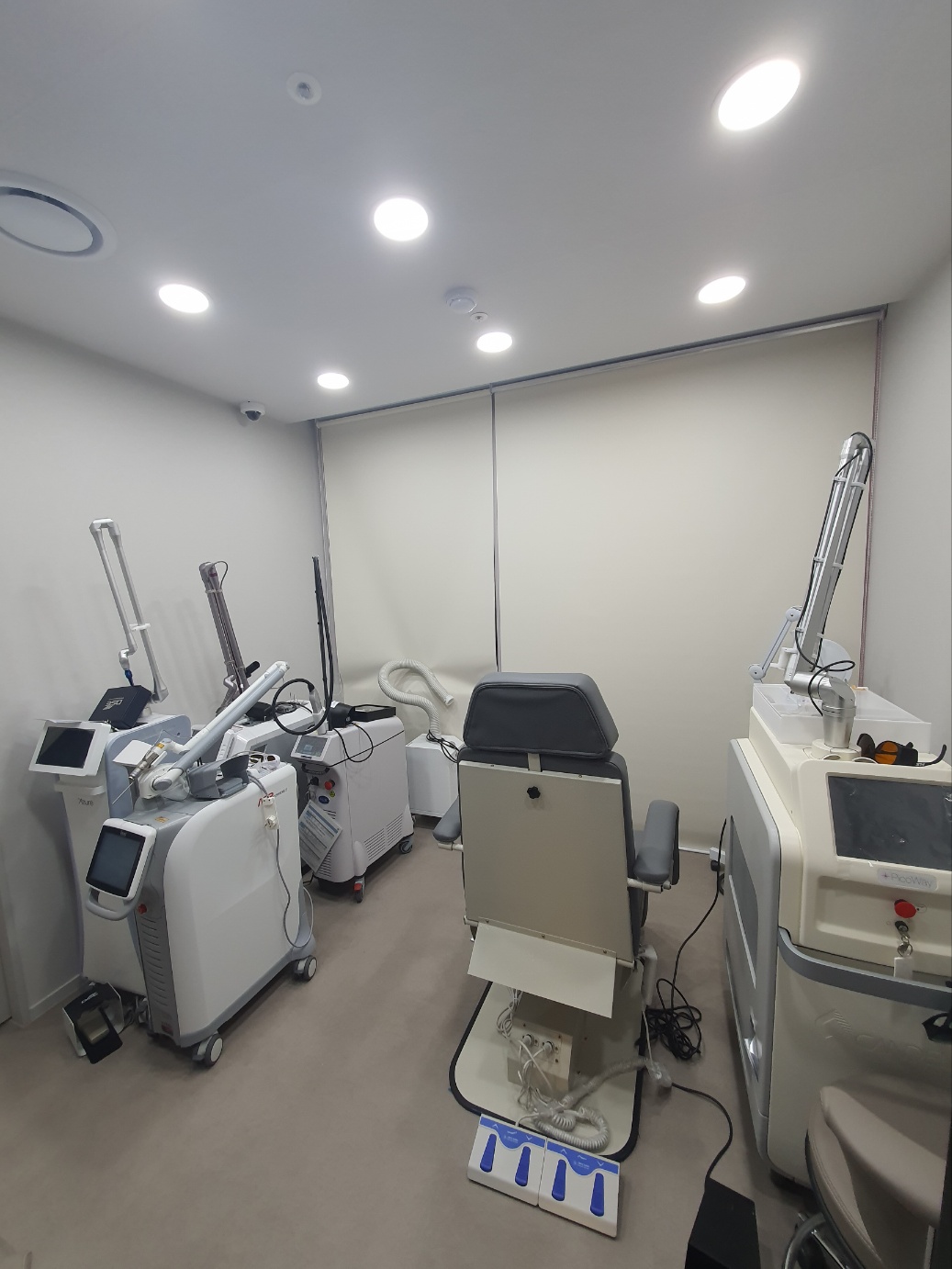
This guide provides a comprehensive overview of advanced non-invasive techniques and tailored protocols I have developed to help you achieve a balanced, healthy complexion with professional precision.
Understanding Medical Grade Skin Regeneration Treatment
Medical grade skin regeneration refers to the clinical application of high-potency bio-active compounds and energy-based devices to stimulate tissue repair at a cellular level. Unlike over-the-counter products that largely address the superficial epidermis, these treatments penetrate the deeper dermis to reorganize collagen matrices and restore metabolic function.
Defining Medical Grade Skin Regeneration and Its Core Principles
Medical grade skin regeneration involves the use of high-concentration active ingredients and advanced medical devices to repair skin rather than just treating the surface. At LUNN, my focus is on utilizing medical-grade tools such as Re2O lasers and biostimulators to address aging at its source. Clinical studies generally suggest that professional interventions can stimulate neo-collagenesis over a period of three to six months, leading to improved structural integrity, though individual results may vary. This process is not merely about aesthetic enhancement but involves the physiological restoration of the skin barrier and elastic fibers. Patients seeking these procedures often present with concerns regarding texture, tone, and laxity. By adhering to evidence-based protocols, I provide a controlled environment for skin renewal that addresses deeper structural layers compared to standard aesthetic facials. The goal is to achieve sustainable health by improving the intrinsic quality of the dermal layer over time.
The Role of Dermatologist-Led Facial Design in Skin Renewal
A dermatologist-led approach to facial design is critical for ensuring that regeneration treatments enhance one's natural features rather than creating an artificial appearance. I emphasize the importance of understanding the unique anatomical structure of each patient, which allows for the precise placement of fillers or laser energy. At LUNN, every treatment plan begins with a comprehensive analysis of facial symmetry, volume distribution, and skin elasticity. This precision-driven methodology ensures that the 1 millimeter of difference in treatment depth is accounted for, providing a harmonious result that respects the natural contours of the face. By integrating medical expertise with an artistic eye, the clinic avoids the pitfalls of generic, one-size-fits-all procedures. Patients receive a roadmap for rejuvenation that prioritizes long-term health and aesthetic balance. This expert guidance is essential for navigating the complex array of available technologies and selecting the most effective intervention for specific skin goals.
Why Choosing an Apgujeong Rodeo Dermatology Clinic Matters for Quality
Selecting a clinic in the Apgujeong Rodeo district provides access to advanced medical aesthetic technologies available in the global market. This area is known for its concentration of highly skilled specialists who maintain rigorous standards for safety and efficacy. LUNN provides an environment where patients can receive premium care that utilizes FDA-approved materials and state-of-the-art diagnostic tools. The competitive nature of this medical hub drives continuous improvement in treatment protocols and patient care services. Furthermore, clinics in this region are experienced in catering to a diverse clientele, including international patients who require streamlined and effective rejuvenation programs. Choosing a reputable clinic here means benefiting from a culture of excellence where the latest scientific findings are rapidly integrated into clinical practice. This geographic advantage translates to higher quality outcomes and a more sophisticated patient experience. The commitment to innovation ensures that patients have access to cutting-edge regeneration techniques in a safe setting.
Innovative Non-Invasive Skin Tightening Technology and Techniques
Non-invasive skin tightening encompasses a variety of energy-based modalities that target the structural layers of the skin to induce lifting and firming without surgery. These technologies utilize heat or focused energy to stimulate the body's natural healing response, leading to increased density and elasticity.
Exploring Advanced Modalities Like Re2O Laser Skin Treatment
Re2O laser skin treatment represents a significant advancement in fractional technology, allowing for deep dermal penetration with controlled thermal damage. This modality works by creating microscopic treatment zones that trigger the body to replace damaged tissue with new, healthy skin cells. Based on clinical observations, a typical course of 3 to 5 sessions can significantly improve fine lines and refine skin texture. The precision of the laser allows dermatologists to target specific areas of concern while sparing the surrounding tissue, which promotes faster healing. Most patients experience a recovery period of 24 to 48 hours, characterized by mild redness similar to a sunburn. This technology is particularly effective for those looking to address the early signs of aging or stubborn texture issues. By stimulating collagen production at various depths, Re2O lasers provide a multi-layered approach to skin renewal that yields natural-looking results. It is an essential component of a comprehensive rejuvenation strategy.
Non-Invasive Skin Tightening for Structural Integrity and Elasticity
Maintaining structural integrity is the cornerstone of a youthful appearance, and non-invasive tightening technologies are designed to reinforce the skin's foundation. LUNN integrates these advanced systems to address sagging and loss of elasticity in the lower face and neck areas. These treatments work by delivering focused energy to the SMAS layer, which is the same tissue addressed during surgical facelifts. Unlike surgery, however, these methods require no incisions and involve minimal downtime for the patient. The lifting effect often continues to improve for up to six months as the new collagen network matures and strengthens. This gradual process ensures that the change in appearance is subtle and harmonious with the rest of the face. While results vary, many patients report a noticeable improvement in jawline definition and cheek volume. Regular maintenance sessions can help sustain these structural gains and slow the visible progression of aging in the future.
Comparing Conventional Facials vs. Medical Grade Rejuvenation Protocols
Conventional facials primarily focus on superficial exfoliation and hydration, providing temporary benefits that rarely last beyond a few days. In contrast, medical grade rejuvenation protocols are designed to effect long-lasting physiological changes within the skin tissue. These clinical treatments utilize higher concentrations of active ingredients, such as growth factors and exosomes, delivered through advanced methods like microneedling or ultrasound. Medical protocols are strictly administered by trained professionals who can adjust parameters based on real-time skin response. This level of customization is not possible with standard aesthetic services found in spas. Furthermore, medical grade treatments are backed by clinical data that substantiates their efficacy in treating conditions like deep-seated hyperpigmentation and significant loss of density. While conventional facials are excellent for relaxation, they do not provide the structural remodeling necessary for true skin regeneration. Investing in professional protocols ensures that the time and resources spent lead to measurable and durable improvements in skin health.
Tailored Solutions for Facial Volume Restoration and Jawline Definition
Facial volume restoration and jawline definition involve the strategic use of fillers and lifting techniques to restore the natural contours that diminish with age. These procedures aim to create a balanced profile by addressing hollow areas and refining the structural borders of the face.
Facial Volume Restoration with Fillers for a Harmonious Look
Restoring volume to the mid-face and temples is a highly effective way to achieve a rested and harmonious appearance. Hyaluronic acid fillers and biostimulators are used to replace the fat pads and bone density lost during the aging process. The key to a natural result lies in the conservative and precise placement of these materials by a skilled dermatologist. A typical treatment can provide visible results that last anywhere from 9 to 18 months, depending on the product used and the patient's metabolism. It is important to remember that these procedures may involve temporary side effects such as minor swelling or bruising at the injection site. By focusing on volume restoration rather than just filling individual wrinkles, clinicians can lift the entire face and improve overall facial harmony. This holistic approach ensures that the patient looks like a rejuvenated version of themselves. A 2026 Specialist's Guide to Facial Harmony and Precision Design | Dr. Hyeong-kwon Park offers further insights into this design-focused methodology.
Thread Lifting for Jawline Contouring and Double Chin Reduction
Thread lifting has emerged as a popular non-surgical option for defining the jawline and reducing the appearance of a double chin. This technique involves the insertion of dissolvable threads that physically lift sagging tissue while simultaneously stimulating collagen production. The procedure is performed under local anesthesia and typically takes less than an hour, making it a convenient choice for busy individuals. While the immediate lifting effect is visible, the most significant results appear as the threads integrate with the skin over the following weeks. Based on common clinical findings, the effects of a thread lift can last between 6 to 12 months. Some patients may experience mild discomfort or temporary dimpling, which usually resolves within a few days. This treatment is particularly effective for those with mild to moderate laxity who are not yet candidates for surgery. A Specialist's 2026 Guide to Jawline and Neck Tightening Treatments in Seoul provides additional details on these contouring options.
Customized Skin Care Program for Long-Lasting Structural Support
A customized skin care program is essential for maintaining the results achieved through clinical procedures and providing long-term structural support. These programs are tailored to the individual's specific skin type, concerns, and lifestyle factors. At LUNN, a personalized regimen might include a combination of medical-grade topical treatments, periodic skin boosters, and maintenance laser sessions. The goal is to create a synergy between in-office treatments and daily care to optimize skin health. By consistently providing the skin with necessary nutrients and protection, patients can extend the longevity of their lifting and regeneration results. A structured program also allows for early detection of new skin issues, enabling proactive interventions. This long-term commitment to skin health is the most effective way to manage the aging process gracefully. Each program is periodically reviewed and adjusted to ensure it remains aligned with the patient's evolving needs and aesthetic goals. Consistency is the foundation upon which lasting facial harmony is built.
Key Differentiators and Comparison of Medical Grade Procedures
Understanding the differences between various medical grade procedures is vital for selecting the right treatment for your specific needs. Each modality offers unique benefits and addresses different layers of the skin's structure.
A Comparison Table of Laser, Injectables, and Thread Lifting Efficacy
Selecting the most appropriate treatment requires a comparison of efficacy, duration, and recovery expectations. Publicly available clinical data suggests that while lasers are superior for texture, injectables excel at volume restoration. The following table provides a neutral comparison of common options used in medical aesthetics.
| Treatment Option | Primary Efficacy Target | Estimated Duration | Typical Recovery |
|---|---|---|---|
| Re2O Laser | Texture, Tone, Fine Lines | 6 - 12 Months | 24 - 72 Hours |
| Dermal Fillers | Volume, Deep Folds | 9 - 18 Months | Minimal (1 - 2 Days) |
| Thread Lifting | Lifting, Jawline Contour | 6 - 12 Months | 3 - 7 Days |
| Skin Boosters | Hydration, Radiance | 3 - 6 Months | Minimal |
Selecting the right combination depends on the specific anatomical needs identified during the consultation. Each of these options contributes differently to the overall goal of facial harmony and rejuvenation.
Premium Skin Booster Injections vs. Topical Regeneration Serums
Premium skin booster injections deliver active ingredients directly into the dermis, bypassing the skin barrier that often limits the effectiveness of topical serums. These injections usually contain a high concentration of hyaluronic acid, amino acids, or polynucleotides that provide deep hydration and stimulate cellular repair. While topical regeneration serums are an important part of daily maintenance, they primarily act on the stratum corneum to improve surface texture. In contrast, boosters provide an immediate and intensive surge of nutrients that can significantly improve skin elasticity and radiance within a few days. Most dermatologists recommend a series of boosters to achieve optimal results, as the cumulative effect leads to more resilient skin. Patients should be aware that injections may cause temporary pinpoint bruising or small bumps that resolve quickly. By combining both topical and injectable treatments, one can ensure that the skin is nourished from both the inside and the outside. A Specialist's 2026 Guide to Ultherapy Prime Lifting Treatment in Seoul: Achieving Natural Facial Harmony discusses how energy-based lifting can be paired with these boosters.
Achieving Skin Texture Refinement through Precision Dermatology
Precision dermatology focuses on addressing the micro-details of the skin to achieve a refined and polished appearance. This involves treating enlarged pores, uneven tone, and minor imperfections that can detract from the overall facial harmony. Advanced diagnostic tools are used to map the skin's surface and identify areas requiring intervention. Treatments such as micro-focused lasers or specialized chemical peels are then applied with extreme accuracy. This meticulous approach ensures that the skin reflects light more evenly, resulting in a healthy glow. Precision treatments are also effective for managing early-stage pigmentation issues before they become more difficult to treat. By focusing on these finer details, dermatologists can enhance the results of larger structural procedures like lifting or volume restoration. The result is a complexion that looks naturally vibrant and well-maintained. Achieving this level of refinement requires both technological expertise and a deep understanding of skin physiology. Patients benefit from a comprehensive strategy that addresses every layer of skin health.
Safety Protocols and Aesthetic Recovery in Professional Clinics
Safety is the paramount consideration in any medical aesthetic procedure, requiring strict adherence to clinical protocols and post-treatment care. Professional clinics prioritize patient well-being by ensuring all treatments are conducted in a sterile and controlled environment.
Managing Expectations and Minimizing Temporary Side Effects
Managing patient expectations is a crucial part of the consultation process to ensure satisfaction and comfort. While medical grade treatments are highly effective, it is important to understand that they are not instantaneous and often involve a healing phase. Common temporary side effects include mild redness, swelling, or localized sensitivity, which are part of the body's natural inflammatory response to the treatment. These symptoms typically resolve within a few days, depending on the intensity of the procedure. Patients are advised to follow specific post-care instructions, such as avoiding excessive sun exposure and using gentle skincare products, to minimize risks. It is essential to recognize that individual results may vary based on skin type, age, and lifestyle habits. A professional dermatologist will provide a realistic timeline for results and discuss any potential limitations. Clear communication between the doctor and the patient helps build trust and ensures a smoother aesthetic journey. Being well-informed about the recovery process allows patients to plan their treatments without unnecessary stress.
Services for International Patients at Korean Medical Aesthetic Clinics
Korean medical aesthetic clinics have become a global destination for patients seeking high-quality regeneration treatments. Many facilities now offer dedicated services for international visitors, including translation assistance and streamlined consultation processes. These services are designed to make the experience as seamless as possible for those traveling from abroad. Patients can often coordinate their initial consultation online and receive detailed information about their planned procedures before arriving in Seoul. Professional clinics also provide comprehensive aftercare support to ensure that patients feel confident during their recovery period once they return home. This global perspective on patient care has helped establish Korea as a leader in the field of aesthetic medicine. By offering a high level of hospitality alongside medical excellence, these clinics attract individuals who value both quality and convenience. The integration of technology and service excellence defines the modern Korean dermatology experience. Patients can expect a professional and welcoming environment that prioritizes their unique needs.
Maintaining Facial Harmony through Consistent Professional Care
Long-term facial harmony is achieved through a commitment to consistent professional care rather than isolated treatments. Regularly scheduled visits allow a dermatologist to monitor skin changes and adjust the treatment plan as necessary. This proactive approach helps in maintaining the structural integrity and aesthetic balance of the face over many years. As skin aging is a continuous process, the strategies used to manage it must also evolve. Consistent care may involve a mix of preventative lasers, periodic volume maintenance, and high-quality topical regimens. By staying ahead of significant aging signs, patients can avoid more invasive surgical interventions in the future. The relationship between a patient and their dermatologist is built on a shared goal of achieving natural and sustainable beauty. Please visit LUNN or follow my updates on Threads @dr.lunn to learn more about how consistency can transform your skin health. I am here to help you achieve your aesthetic goals through expert care. LUNN / Dr. Hyung-kwon Park.
Frequently Asked Questions
Q. What exactly is medical grade skin regeneration treatment?
Medical grade skin regeneration involves high-concentration active ingredients and advanced medical devices like Re2O lasers or PDLLA boosters, administered by specialized dermatologists to repair skin at the cellular level. This approach goes beyond surface-level treatments to rebuild the collagen and elastic fibers within the dermis. Unlike standard facials, these clinical procedures are designed to effect long-lasting physiological changes in the skin tissue.
Q. Is thread lifting at a Seoul dermatology clinic safe for international tourists?
Yes, reputable clinics in areas like Apgujeong Rodeo utilize FDA-approved materials and follow rigorous safety protocols for all patients. However, it is essential to consult with a dermatologist to discuss individual medical history and potential temporary effects like swelling or bruising. Most clinics specializing in international patients have extensive experience in ensuring safe and effective outcomes for visitors from around the world.
Q. How does facial volume restoration with fillers differ from a surgical facelift?
Volume restoration with fillers is a non-surgical approach that uses hyaluronic acid or biostimulators to fill hollow areas and lift sagging tissue with minimal downtime. In contrast, a facelift involves surgical incisions to remove excess skin and tighten underlying muscles. Fillers are ideal for addressing volume loss, while surgery is more appropriate for significant skin laxity that cannot be corrected by non-invasive means.
Q. What should I expect during a customized skin care program in Korea?
A customized program typically begins with a professional skin analysis using advanced diagnostic tools, followed by a combination of medical-grade facials, skin boosters, and laser treatments tailored to your unique needs. Throughout the program, your dermatologist will monitor your skin’s progress and adjust the treatment parameters to optimize results. This structured approach ensures that all aspects of your skin health are addressed systematically.
Q. Are there any side effects to non-invasive skin tightening technology?
While these treatments are non-invasive, patients may experience temporary redness, mild edema, or sensitivity in the treated area immediately following the procedure. These symptoms generally resolve within a few days depending on the specific technology and intensity used. Following the recommended post-treatment care routine is vital for minimizing these temporary effects and ensuring a smooth recovery.
Q. How long do the results of a thread lift for the jawline typically last?
Results vary depending on the individual's skin condition and the type of threads used, but typically the lifting effect and collagen stimulation can be observed for 6 to 12 months. Periodic maintenance is often recommended to sustain the contouring effects as the body gradually absorbs the thread material. A consultation with a specialist can help determine the best timeline for follow-up treatments based on your results.
Q. Can Re2O laser treatment improve both skin texture and fine lines?
Yes, Re2O laser skin treatment is designed to target the dermis to stimulate collagen production, which effectively refines skin texture and reduces the appearance of fine lines over several sessions. By creating controlled micro-damage, the laser encourages the skin to regenerate new, healthy tissue. Most patients see a cumulative improvement in both tone and texture as they progress through their treatment plan.
Key Takeaways
- Medical grade skin regeneration focuses on cellular repair and long-term dermal health through dermatologist-led protocols.
- Non-invasive technologies like Re2O lasers and energy-based tightening provide effective rejuvenation with minimal downtime.
- Personalized programs combining fillers, thread lifting, and skin boosters are essential for achieving and maintaining facial harmony.
- Professional safety standards and consistent follow-up care are critical for managing expectations and ensuring lasting aesthetic results.
FAQ
- What exactly is medical grade skin regeneration treatment?
- Medical grade skin regeneration involves high-concentration active ingredients and advanced medical devices like Re2O lasers or PDLLA boosters, administered by specialized dermatologists to repair skin at the cellular level. This approach goes beyond surface-level treatments to rebuild the collagen and elastic fibers within the dermis. Unlike standard facials, these clinical procedures are designed to effect long-lasting physiological changes in the skin tissue.
- Is thread lifting at a Seoul dermatology clinic safe for international tourists?
- Yes, reputable clinics in areas like Apgujeong Rodeo utilize FDA-approved materials and follow rigorous safety protocols for all patients. However, it is essential to consult with a dermatologist to discuss individual medical history and potential temporary effects like swelling or bruising. Most clinics specializing in international patients have extensive experience in ensuring safe and effective outcomes for visitors from around the world.
- How does facial volume restoration with fillers differ from a surgical facelift?
- Volume restoration with fillers is a non-surgical approach that uses hyaluronic acid or biostimulators to fill hollow areas and lift sagging tissue with minimal downtime. In contrast, a facelift involves surgical incisions to remove excess skin and tighten underlying muscles. Fillers are ideal for addressing volume loss, while surgery is more appropriate for significant skin laxity that cannot be corrected by non-invasive means.
- What should I expect during a customized skin care program in Korea?
- A customized program typically begins with a professional skin analysis using advanced diagnostic tools, followed by a combination of medical-grade facials, skin boosters, and laser treatments tailored to your unique needs. Throughout the program, your dermatologist will monitor your skin’s progress and adjust the treatment parameters to optimize results. This structured approach ensures that all aspects of your skin health are addressed systematically.
- Are there any side effects to non-invasive skin tightening technology?
- While these treatments are non-invasive, patients may experience temporary redness, mild edema, or sensitivity in the treated area immediately following the procedure. These symptoms generally resolve within a few days depending on the specific technology and intensity used. Following the recommended post-treatment care routine is vital for minimizing these temporary effects and ensuring a smooth recovery.
- How long do the results of a thread lift for the jawline typically last?
- Results vary depending on the individual's skin condition and the type of threads used, but typically the lifting effect and collagen stimulation can be observed for 6 to 12 months. Periodic maintenance is often recommended to sustain the contouring effects as the body gradually absorbs the thread material. A consultation with a specialist can help determine the best timeline for follow-up treatments based on your results.
- Can Re2O laser treatment improve both skin texture and fine lines?
- Yes, Re2O laser skin treatment is designed to target the dermis to stimulate collagen production, which effectively refines skin texture and reduces the appearance of fine lines over several sessions. By creating controlled micro-damage, the laser encourages the skin to regenerate new, healthy tissue. Most patients see a cumulative improvement in both tone and texture as they progress through their treatment plan.