
Post
Signs of Lip Balm Allergy vs Simple Dehydration: A 2026 Specialist Guide
Hello, I am Dr. Hyung-kwon Park, a dermatologist at LUNN in Cheongdam and Apgujeong Rodeo. Understanding the difference between chronically dry lips and a specific allergic reaction is essential for maintaining facial harmony and comfort.
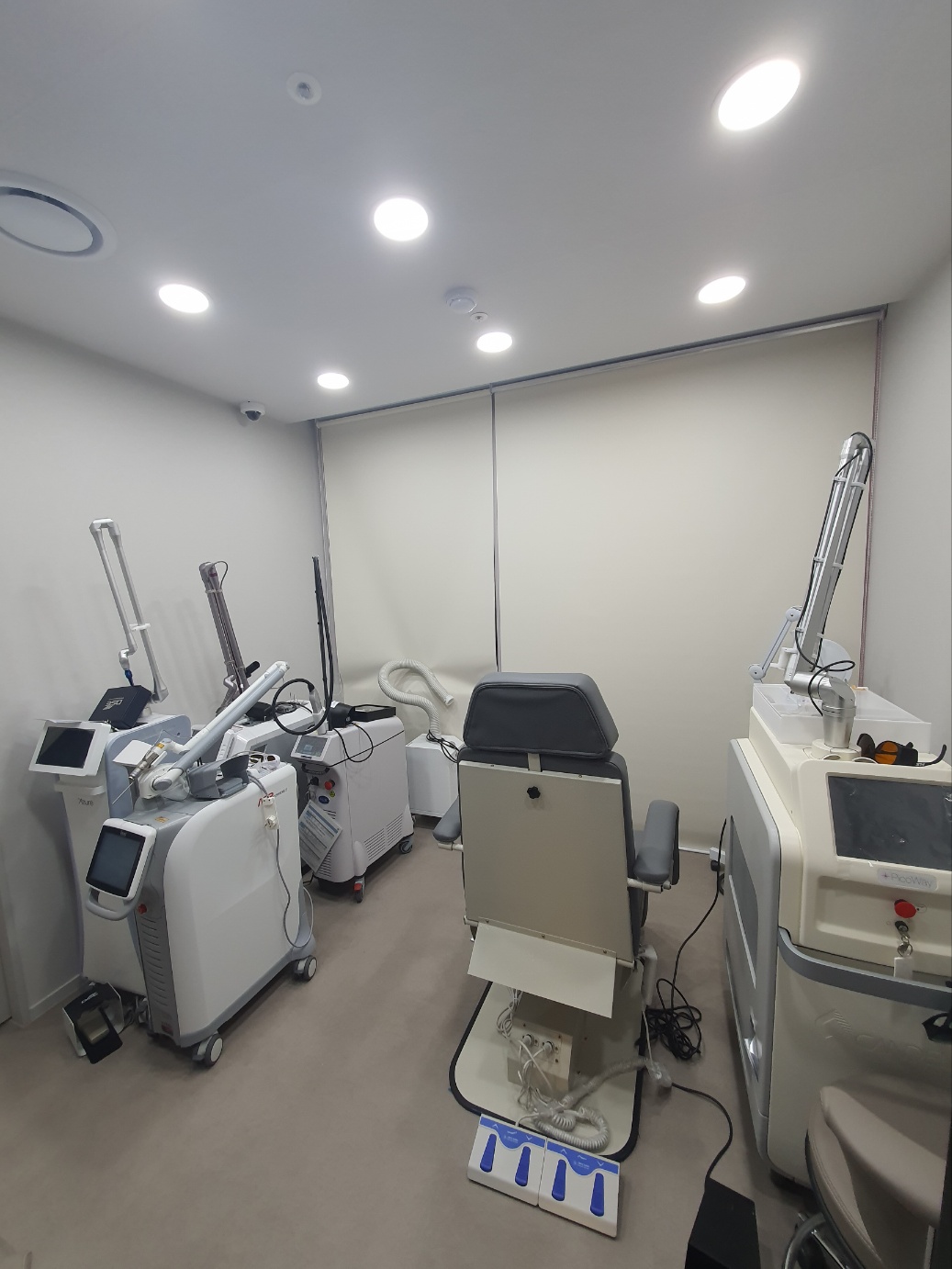
Many individuals struggle with persistent scaling or redness, often mistaking a reaction to common ingredients for simple environmental dehydration. As a specialist who prioritizes the philosophy of "Refining the Details," I believe that even a minor irritation on the lips can disrupt the overall balance of your appearance. This guide provides a detailed analysis of symptoms and clinical solutions to help you identify when to seek professional care for your lip health, ensuring your smile remains healthy and radiant through precise diagnosis.
Distinguishing Lip Balm Allergy from Simple Dehydration
Lip health relies on a delicate balance between internal hydration and the integrity of the external skin barrier. Distinguishing between simple environmental dryness and a specific immunological reaction, known as allergic contact cheilitis, is the primary step in developing an effective clinical treatment plan.
Simple Lip Dehydration and Environmental Triggers
Simple lip dehydration occurs when the thin skin of the lips loses moisture faster than it can be replaced, often due to environmental factors. During the winter months in Seoul, humidity levels can drop below 30 percent, significantly accelerating transepidermal water loss from the delicate mucosa. Unlike the rest of the facial skin, lips lack oil glands, making them particularly vulnerable to dry air, wind, and low temperatures. Symptoms typically manifest as a general feeling of tightness, fine scaling, and slight peeling. These issues usually respond well to consistent hydration and the application of occlusive ointments. According to clinical observations, mild dehydration typically resolves within a week or two of proper care. However, if the scaling persists despite constant moisturization, it may indicate a deeper barrier deficiency that requires a more structured dermatological approach rather than just another over-the-counter product. At LUNN, I look beyond the surface to understand why your barrier is compromised.
Understanding Allergic Contact Cheilitis and Lip Balm Reactions
Allergic contact cheilitis is a type IV hypersensitivity reaction where the immune system reacts to specific chemical compounds found in topical products. Common culprits include fragrances, preservatives, and specific flavoring agents like menthol or peppermint oil. In 2026, many organic lip products containing beeswax or propolis have also been identified as frequent triggers for sensitive individuals. Unlike simple dryness, an allergy often presents with intense itching, noticeable swelling, and redness that may extend beyond the natural lip line. Small blisters or weeping can occur in more severe cases. Clinical data suggest that a reaction can appear within 48 to 72 hours after exposure to the allergen. Identifying the specific trigger is vital, as continued use of the offending lip balm will only exacerbate the inflammation. At LUNN, I emphasize the importance of identifying these patterns early to prevent chronic pigmentary changes or scarring of the lip tissue. Please note that individual results may vary depending on the severity of the inflammation and skin type.
When Professional Assessment at LUNN is Required
Professional assessment becomes necessary when lip irritation fails to respond to basic hydration or when symptoms recur frequently. Self-diagnosis can be difficult because the symptoms of a severe allergy and chronic dehydration often overlap. At LUNN, I utilize physical palpation and detailed history taking to differentiate between these conditions, focusing on the unique anatomical structure of each patient. If an allergy is suspected, specialized testing may be recommended to isolate the specific chemical irritant. Persistent inflammation can lead to a condition called chronic cheilitis, which may require medical-grade topical stabilizers. Furthermore, long-term inflammation can compromise the structural integrity of the lips, making them appear prematurely aged or thinned. By visiting my clinic in Apgujeong Rodeo, patients receive a scientific analysis of their skin barrier. I provide tailored management plans that address both the immediate discomfort and the long-term health of the perioral area, ensuring a foundation for future aesthetic enhancements that achieve perfect harmony.
Symptom Analysis: Identifying the Patterns of Irritation
Symptom analysis involves mapping the visual and sensory patterns that manifest when the lip mucosa is compromised by external or internal stressors. Identifying whether the issue is localized to the center of the lips or spreading to the corners helps determine the most likely underlying cause.
Visual Cues: Redness, Swelling, and Scaling Patterns
Visual cues provide the most immediate evidence for distinguishing between these two conditions. In simple dehydration, scaling is usually fine and localized to the dryest parts of the lips, often appearing as translucent flakes. In contrast, an allergic reaction often produces a more diffuse and intense redness that covers the entire lip surface. Swelling, or edema, is a hallmark sign of an allergy and is rarely seen in cases of simple dryness. Furthermore, allergic reactions often involve the vermilion border, causing the edges of the lips to look blurred or irritated. Some patients may also notice cracked corners, which can be a sign of either extreme dehydration or a secondary infection. Clinical protocols suggest that if redness persists for more than 14 days without improvement, it is likely more than just dry skin. Observing these visual changes early allows for a more accurate diagnosis and faster relief. My approach ensures that even the smallest visual detail is accounted for in your treatment.
Sensory Differences: Itching and Burning vs. Tightness
Sensory symptoms are highly subjective but offer critical clues into the nature of the irritation. Simple dehydration is characterized by a persistent feeling of tightness and occasional stinging when the skin is stretched, such as when smiling. Conversely, allergic contact cheilitis almost always involves significant itching, which is a key indicator of an immune response. Patients often report a burning sensation or a localized 'heat' in the lips shortly after applying certain products. These sensory differences are important because they dictate the type of treatment needed. While tightness requires lipids and emollients, itching and burning often require anti-inflammatory intervention. At LUNN, I listen closely to these sensory reports to determine if a patient needs barrier repair or an active calming treatment. Understanding these nuances helps in selecting the right skin booster or topical agent to restore comfort and prevent further damage to the sensitive mucosa. This sensory-first approach is part of my commitment to delicate care and professional excellence.
| Feature | Simple Dehydration | Allergic Contact Cheilitis |
|---|---|---|
| Primary Sensation | Tightness, minor stinging | Intense itching, burning sensation |
| Visual Appearance | Fine scaling, dry flakes | Intense redness, swelling, blisters |
| Location | Localized to lip surface | May spread beyond the lip border |
| Reaction Speed | Gradual onset | Within 48-72 hours of use |
| Recovery Time | 7-14 days with hydration | 14+ days; requires trigger removal |
| Inflammation | Minimal to none | High (swelling is common) |
Specialized Solutions at Our Apgujeong Rodeo Dermatology Clinic
Specialized solutions for lip irritation focus on restoring the damaged barrier while calming internal inflammation. These clinical interventions go beyond topical balms to address the physiological health of the mucosa through advanced dermatological technology.
Customized Skin Care Programs for Sensitive Lip Mucosa
Customized skin care programs are designed to address the specific vulnerabilities of the lip mucosa. At LUNN, I develop protocols that avoid common irritants while providing high concentrations of barrier-restoring ingredients like ceramides and fatty acids. These programs often include professional-grade topical treatments that are not available over the counter. For patients with chronic scaling, we may incorporate gentle texture refinement techniques to remove dead skin without causing trauma to the underlying tissue. It is important to note that improper exfoliation at home can worsen inflammation and lead to secondary infections. My clinical approach focuses on calming the skin's local immunity first. Once the initial irritation is managed, I guide patients on selecting safe, fragrance-free products to maintain their results. This holistic management plan is essential for patients who have sensitive skin or a history of recurring dermatitis in the perioral area, reflecting our brand's mission to care for every individual's skin with novelty.
Advanced Skin Booster Injections for Barrier Restoration
Advanced skin booster injections offer a direct way to hydrate and repair the skin barrier from within. Unlike topical creams that may struggle to penetrate inflamed tissue, skin boosters deliver active ingredients like PN (Polynucleotide) or hyaluronic acid into the dermis. This treatment helps to strengthen the local skin immunity and improve the overall texture of the lips. At LUNN, the specific clinical plan, including the number of sessions and frequency, is customized based on your current skin condition and the severity of your barrier damage. For many patients, these boosters serve as both a therapeutic and aesthetic tool, providing a natural plumpness while addressing chronic dryness. While effective, these treatments may cause temporary redness or swelling, and results can vary between individuals. Minor bruising may occur for 2 to 3 days post-treatment, but the long-term benefits for the skin barrier are substantial. This approach is particularly effective for those whose lip health has been compromised by repeated allergic reactions or environmental stress, offering a shining guide to skin recovery.
The Logic of Skin Booster Synergy: My Scientific Approach to Non-Surgical Anti-Aging
Integrating Lip Health into a Dermatologist-led Facial Design
Integrating lip health into facial design ensures that aesthetic enhancements look natural and remain sustainable over time. A healthy foundation of the lips is an absolute prerequisite before considering any structural volume or contouring treatments.
Facial Volume Restoration with Fillers to Support Lip Structure
Facial volume restoration with fillers can be used to support the lips and the surrounding perioral area once the skin is healthy. When the lips are chronically dry or irritated, the surrounding skin often loses its youthful support, leading to fine lines and a downward turn of the mouth. At LUNN, I use a conservative filler approach to restore the subtle volume that can make a significant difference in a person's expression. It is vital to ensure that there is no active inflammation or allergy before proceeding with filler injections, as this could lead to prolonged swelling or suboptimal results. I focus on creating harmony between the lips, chin, and jawline to provide a rested and rejuvenated appearance. This structural design perspective ensures that the enhancements do not look artificial or 'overfilled' but rather complement the patient's unique anatomy and skin health. By treating the skin with delicate care, we achieve results that feel as natural as they look.
Non-invasive Skin Tightening Technology for Perioral Rejuvenation
Non-invasive skin tightening technology provides a way to rejuvenate the area around the lips without surgery or significant downtime. As we age, the skin around the mouth can sag, making even healthy lips appear older than they are. I utilize advanced energy-based devices to stimulate collagen production in the deep layers of the dermis, which helps to lift the corners of the mouth and smooth out fine lines. The maintenance of these visible results varies depending on the individual's skin condition, aging rate, and lifestyle habits. Combining these technologies with lip health management creates a comprehensive rejuvenation plan. At LUNN, I emphasize that the goal of perioral rejuvenation is to achieve a balanced and natural look. Patients should be aware that results are cumulative and may require multiple sessions to achieve the desired effect. This integrated approach ensures that the lips are not treated in isolation but as a central part of facial harmony, reflecting the nobility of professional aesthetic care.
Why Structural Analysis is the First Step in Anti-Aging Design: A Professional Guide
Frequently Asked Questions
Q. How can I tell the difference between dry lips and an allergy at home?
Simple dehydration usually results in general tightness and fine scaling that improves with basic hydration. An allergy, or contact cheilitis, often involves intense itching, redness extending beyond the lip line, and sometimes small blisters or persistent swelling that does not respond to standard balms. If you experience these symptoms, a professional diagnosis at LUNN is recommended.
Q. What common ingredients in lip balms cause allergic reactions?
Fragrances, menthol, beeswax (propolis), and certain preservatives are frequent culprits. Even natural ingredients can trigger reactions in sensitive individuals, and the onset usually occurs within 48 to 72 hours of use. Identifying your specific triggers is part of the detailed care we provide.
Q. Can I receive lip fillers if I have an active lip balm allergy?
It is generally not recommended to undergo facial volume restoration while the area is inflamed or reacting to an allergen. I first stabilize the skin barrier through a customized skin care program at LUNN before proceeding with any aesthetic enhancements to ensure safety and optimal results. Safety and harmony are our top priorities.
Q. How long does it take for a lip allergy to clear up?
Once the offending allergen is completely removed, mild cases may resolve within 7 to 14 days. However, chronic inflammation might require medical intervention such as topical stabilizers or specialized skin texture refinement treatments to fully restore the mucosa's health. The timeline depends on your individual skin response.
Q. What is the cost of a customized skin care program at LUNN?
Costs vary depending on the specific treatments required, such as skin boosters, barrier repair therapies, or professional consultations. I recommend a personalized evaluation at our Apgujeong Rodeo clinic to create a detailed plan tailored to your skin's unique needs and the severity of the irritation.
Q. Are there non-surgical options for improving the area around the lips?
Yes, I often combine lip health management with non-invasive skin tightening technology to smooth the perioral area. These treatments help create a harmonious and youthful facial appearance by stimulating your natural collagen production without the need for invasive surgery.
Q. Does LUNN offer services for international tourists?
As a specialized medical aesthetic clinic in the heart of Seoul, I provide comprehensive consultations and treatments designed to accommodate the schedules of those visiting the Apgujeong Rodeo area. I focus on providing efficient yet detailed care for my global patients, acting as a shining guide in their beauty journey.
Key Takeaways
- Distinguish between dryness (tightness/scaling) and allergy (itching/swelling) to choose the right treatment.
- Identify common allergens like fragrances and beeswax to prevent recurring inflammatory episodes.
- Clinical solutions like skin boosters and barrier repair programs provide deeper restoration than topical balms.
- A healthy skin barrier is a necessary foundation before proceeding with aesthetic fillers or lifting treatments.
- Professional assessment at LUNN ensures a scientific approach to long-term perioral health and harmony.
For personalized advice on managing lip irritation and enhancing your facial design, please contact us for a consultation. You can also find more insights on our Threads @dr.lunn.
LUNN / Dr. Hyung-kwon Park
FAQ
- How can I tell the difference between dry lips and an allergy at home?
- Simple dehydration usually results in general tightness and fine scaling that improves with basic hydration. An allergy, or contact cheilitis, often involves intense itching, redness extending beyond the lip line, and sometimes small blisters or persistent swelling that does not respond to standard balms.
- What common ingredients in lip balms cause allergic reactions?
- Fragrances, menthol, beeswax (propolis), and certain preservatives are frequent culprits. Even natural ingredients can trigger reactions in sensitive individuals, and the onset usually occurs within 48 to 72 hours of use. If symptoms recur, professional testing is recommended.
- Can I receive lip fillers if I have an active lip balm allergy?
- It is generally not recommended to undergo facial volume restoration while the area is inflamed or reacting to an allergen. We first stabilize the skin barrier through a customized skin care program at lunnclinic before proceeding with any aesthetic enhancements to ensure safety and optimal results.
- How long does it take for a lip allergy to clear up?
- Once the offending allergen is completely removed, mild cases may resolve within 7 to 14 days. However, chronic inflammation might require medical intervention such as topical stabilizers or specialized skin texture refinement treatments to fully restore the mucosa's health.
- What is the cost of a customized skin care program in Apgujeong Rodeo?
- Costs vary depending on the specific treatments required, such as skin boosters, barrier repair therapies, or professional consultations. We recommend a personalized evaluation to create a detailed plan tailored to your skin's unique needs and the severity of the irritation.
- Are there non-surgical options for improving the area around the lips?
- Yes, we often combine lip health management with non-invasive skin tightening technology or thread lifting to define the jawline and lift the mouth corners. These treatments help create a harmonious and youthful facial appearance without the need for invasive surgery.
- Does lunnclinic offer services for international tourists?
- As a specialized medical aesthetic clinic in the heart of Seoul, we provide comprehensive consultations and treatments designed to accommodate the schedules of those visiting the Apgujeong Rodeo area. We focus on providing efficient yet detailed care for our global patients.