
Post
A Specialist's 2026 Guide to Laser Treatment for Facial Redness: Achieving Structural Harmony at LUNN
Hello, I am Dr. Park Hyungkwon, a board-certified dermatologist at LUNN. Many individuals struggle with chronic facial flushing that persists regardless of lifestyle changes. Facial redness is not merely a cosmetic concern but a complex vascular condition involving the dilation of micro-vessels in the dermis. In this guide, I will share how we utilize advanced laser technology in 2026 to restore clarity and structural balance to the skin.
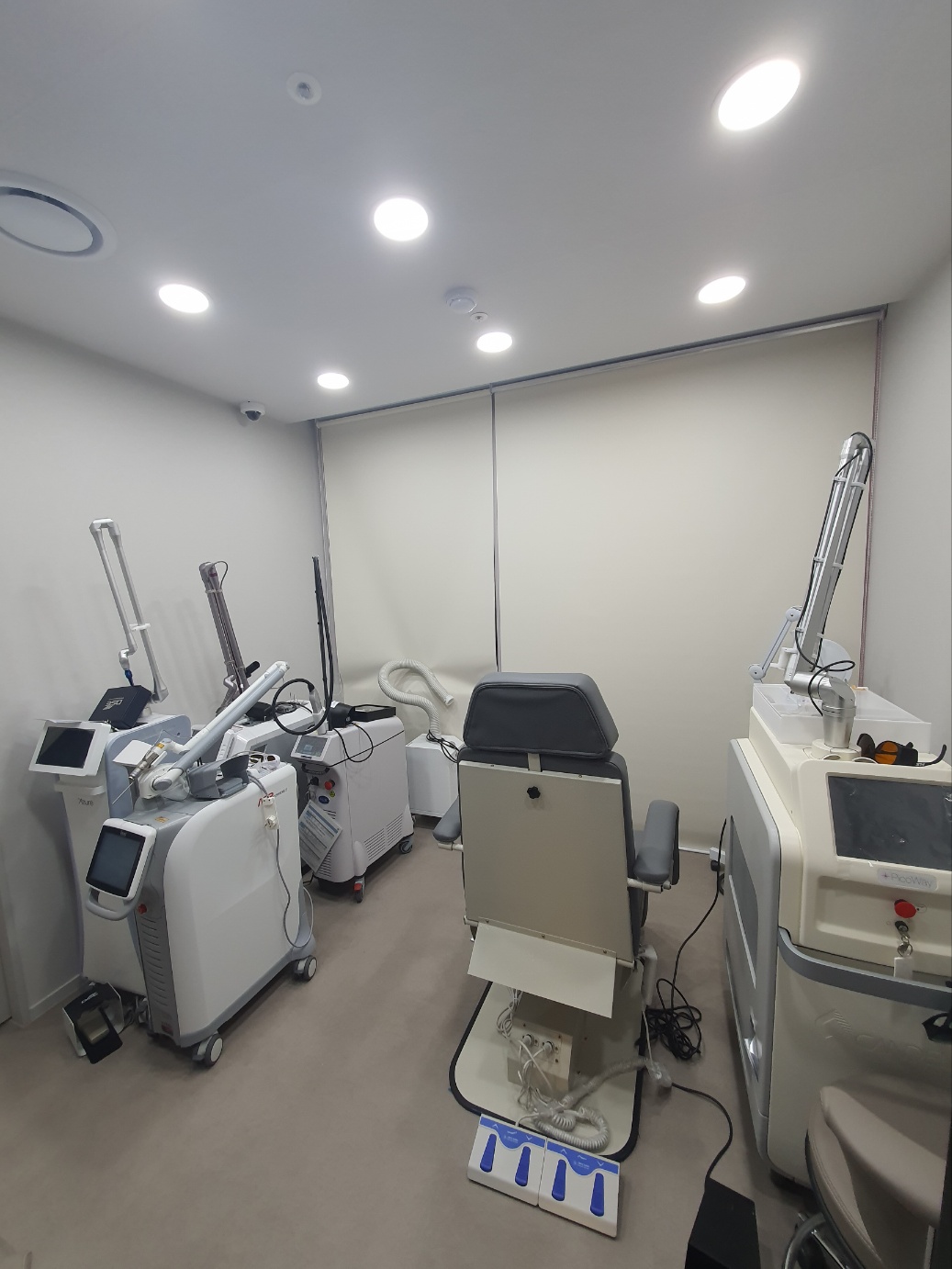
By understanding the underlying science and selecting the right energy parameters, we can address persistent erythema while maintaining the natural health of your skin.
Understanding Facial Redness and How Laser Therapy Works
Facial redness, or erythema, is defined as the visible dilation of small blood vessels near the skin surface, often resulting from inflammation, genetics, or chronic conditions like rosacea. This condition frequently manifests as persistent flushing or visible spider veins, known as telangiectasia, which can be exacerbated by environmental triggers such as heat or UV exposure. Laser therapy addresses this by utilizing principles of selective photothermolysis to target these specific vascular structures.
What Causes Chronic Facial Erythema and Vascular Flushing
Chronic facial erythema is rarely the result of a single factor, often involving a combination of genetic predisposition and cumulative environmental damage. For many patients, the condition is rooted in the dysfunction of the vascular walls, which lose their ability to constrict after dilating. Statistics suggest that over 16 million Americans suffer from rosacea-related redness, highlighting the widespread nature of this concern. Environmental factors, including long-term sun exposure and extreme temperature shifts, contribute to the weakening of the dermal matrix. This weakening allows capillaries to remain permanently dilated, leading to a constant red appearance. At LUNN, we observe that patients with lighter skin types are often more susceptible to visible vascular issues due to the lower melanin density in the epidermis. Understanding whether your redness is triggered by inflammatory responses or structural vascular weakness is the first step toward effective management. Identifying these specific triggers allows for a more comprehensive approach to long-term skin health and stability.
The Science Behind How Vascular Lasers Target Redness
The efficacy of laser treatment for facial redness lies in the precise targeting of hemoglobin within the blood vessels. Vascular lasers operate at specific wavelengths, such as 585 nm or 595 nm, which are highly absorbed by oxygenated hemoglobin while largely bypassing the surrounding skin tissue. When the laser energy is absorbed, it converts into thermal energy, causing the blood vessel walls to coagulate and eventually collapse. Over a period of several weeks, the body naturally resorbs these damaged vessels, leading to a visible reduction in surface redness. This process must be carefully controlled to prevent damage to the epidermis, which is why modern systems incorporate advanced cooling mechanisms. In a clinical setting, achieving a significant reduction in visible redness often requires multiple sessions, as the laser must address vessels at different depths. By focusing on the structural integrity of the dermal vasculature, we can achieve a clearer complexion without compromising the skin's barrier function. While individual results vary, this approach provides a logical path to vascular recovery.
Comparing Laser Options for Treating Facial Redness
Selecting the appropriate technology for vascular treatment requires a detailed comparison of available modalities, specifically distinguishing between coherent laser light and broad-spectrum light sources. Each technology offers unique benefits depending on the depth of the vessels and the presence of concurrent skin concerns like pigmentation. The following table summarizes the key differences between primary treatment options used in clinical practice.
| Feature | Vascular Laser (e.g., Dye Laser) | Intense Pulsed Light (IPL) |
|---|---|---|
| Light Type | Monochromatic (Single Wavelength) | Polychromatic (Broad Spectrum) |
| Targeting | High Precision for Specific Vessels | General Improvement for Tone |
| Depth | Variable (Targeted) | Superficial to Mid-Dermis |
| Recovery | 2 to 4 Days of Mild Swelling | Minimal to No Downtime |
| Primary Use | Telangiectasia and Rosacea | Sun Damage and Mild Redness |
Vascular Lasers Versus Intense Pulsed Light (IPL)
When deciding between a dedicated vascular laser and Intense Pulsed Light (IPL), it is essential to evaluate the specific characteristics of the patient's skin condition. Vascular lasers are highly specialized tools that deliver a concentrated beam of light at a single wavelength, making them exceptionally effective for treating defined capillaries and deep-seated erythema. Because the energy is so focused, these lasers can penetrate deeper into the dermis to reach stubborn vessels. In contrast, IPL utilizes a broad spectrum of light, typically ranging from 500 nm to 1200 nm. This versatility allows IPL to address both redness and brown spots simultaneously, making it a popular choice for generalized photo-rejuvenation. However, for patients with significant vascular dilation or chronic rosacea, the precision of a vascular laser is often necessary to achieve meaningful results. Clinical data indicates that while IPL may improve overall skin tone, targeted lasers provide more consistent clearance for specific vascular lesions. We often find that a combination approach yields the most harmonious outcome for complex skin profiles.
Selecting the Appropriate Waveform for Specific Skin Layers
The depth of the target vessels determines the selection of the laser waveform and pulse duration. Redness located in the superficial papillary dermis requires different energy parameters than deeper vessels found in the reticular dermis. Shorter wavelengths are generally absorbed more superficially, while longer wavelengths can reach deeper vascular structures. Furthermore, the pulse duration must be matched to the thermal relaxation time of the vessel; larger vessels require longer pulses to ensure even coagulation throughout the lumen. At LUNN, we utilize diagnostic tools to map the vascular distribution before treatment begins. This precision ensures that energy is delivered exactly where it is needed, minimizing the risk of thermal injury to the surrounding collagen. Adjusting these parameters is critical for safety, as incorrect settings can lead to purpura or temporary bruising. A Board-Certified Dermatologist's Guide to Structural Rejuvenation in 2026 highlights the importance of such technical nuances. By calibrating the waveform to the specific depth of the erythema, we ensure a balanced and natural recovery process for every patient.
What to Expect: Realistic Timelines and Potential Risks
Setting realistic expectations for laser treatment involves understanding the biological timeline of skin healing and the inherent risks associated with thermal procedures. While many patients hope for an immediate resolution, the clearing of damaged capillaries is a gradual process that involves the body's immune system. Patients must be prepared for the possibility of temporary side effects, which are a normal part of the inflammatory response required for vascular remodeling.
Typical Milestones for Achieving a Balanced Skin Tone
Achieving a balanced and clear skin tone is a journey that typically spans several months. Most patients require a series of 3 to 5 treatment sessions to see comprehensive results, with each session spaced approximately 4 to 6 weeks apart. This interval allows the skin to heal and the body to clear the coagulated vessel debris before the next application of energy. During the first 24 to 48 hours after a session, it is common to experience increased redness and mild swelling, similar to a mild sunburn. By the second week, many patients notice a subtle lightening of the treated areas as the inflammatory phase subsides. By the end of a full treatment cycle, usually around 6 months from the start, a significant reduction in flushing is typically observed. However, maintenance is often required, as new vessels can form over time due to ongoing triggers. Regular follow-ups ensure that the skin remains in a state of structural harmony and that any new concerns are addressed promptly.
Understanding Temporary Redness, Swelling, and Safety Protocols
Safety is the paramount consideration in any laser procedure, and understanding potential risks is vital for patient peace of mind. The most common side effects include temporary erythema and edema, which usually resolve within 2 to 3 days. In some cases, mild bruising, known as purpura, may occur if the laser settings are adjusted to target larger vessels; this typically fades within a week. To minimize these risks, we adhere to strict safety protocols, including the use of integrated cooling devices and post-treatment soothing agents. It is crucial for patients to avoid direct sun exposure and intense heat for at least 7 days following the procedure, as the skin is temporarily more sensitive to UV damage. While rare, more significant risks like blistering or pigmentary changes can occur if the skin is not properly prepared or if post-care instructions are ignored. Always consult with a professional during an A Specialist's 2026 Guide to Aesthetic Dermatology Consultation in Seoul: Precision Care at LUNN to ensure your skin is a suitable candidate for laser therapy. Prioritizing safety over aggressive results ensures a more predictable and satisfying outcome.
The LUNN Philosophy: Tailored Care for Natural Harmony
At LUNN, our approach to treating facial redness is rooted in the philosophy of refining the details to achieve perfect harmony. We believe that skin health is not achieved through standardized protocols but through a deep understanding of each patient's unique biological makeup. Our focus is on achieving a natural appearance where the skin looks healthy and vibrant, rather than over-processed or artificially pale.
Why Addressing Subtle Micro-Vascular Details Matters
The difference between a good result and a truly natural result often lies in the management of micro-vascular details. Many clinics focus only on the most visible vessels, but at LUNN, we look at the entire vascular network that contributes to the overall hue of the face. Subtle redness around the nose or on the chin can significantly affect the perceived age and health of the skin. By addressing these minor details with high-precision lasers, we create a more uniform and luminous complexion. This meticulous approach requires a steady hand and an artistic eye, as the goal is to blend the treated areas seamlessly with the surrounding skin. We avoid the "patchy" look that can sometimes occur when only large vessels are targeted. Instead, we aim for a holistic improvement that respects the natural contours and shadows of the face. Our patients appreciate this level of detail, as it results in a refreshed look that feels authentic to their identity. True harmony is found in the balance of small improvements that add up to a significant transformation.
Customized Energy Calibration Over Standardized Protocols
Every skin type reacts differently to laser energy, which is why we reject the use of one-size-fits-all settings. At LUNN, every treatment is customized based on real-time feedback from the patient's skin. We adjust the energy density, pulse width, and cooling duration for every pass of the laser. This personalized calibration is essential for maximizing efficacy while minimizing the risk of adverse reactions. For instance, a patient with reactive rosacea requires a gentler approach than someone with isolated sun damage. By monitoring the skin's response—such as the degree of transient whitening or redness—we can fine-tune the procedure to achieve the optimal endpoint. This commitment to customization is what defines our practice and ensures that every patient receives care that is as unique as their skin. Our focus on precision allows us to achieve results that are both effective and safe for long-term skin health. In the evolving landscape of 2026 dermatology, this tailored approach remains the gold standard for achieving lasting skin clarity.
Key Takeaways
- Targeted Precision: Vascular lasers target hemoglobin to collapse dilated vessels, typically requiring 3-5 sessions for visible results.
- Gradual Improvement: Results appear over several months as the body resorbs treated vessels; maintenance may be needed for chronic conditions.
- Safety First: Temporary swelling and redness are common; strict adherence to post-care and sun protection is essential for safety.
- Customized Care: Successful treatment at LUNN relies on personalized energy calibration rather than standardized protocols.
Frequently Asked Questions
Q. What exactly causes chronic facial redness?
Chronic facial redness is typically caused by dilated or broken capillaries near the surface of the skin. This is often aggravated by rosacea, environmental triggers like UV rays, genetics, or prolonged underlying inflammation. In some cases, the vascular walls lose their elasticity, making them unable to constrict properly after a flushing episode.
Q. How do laser treatments help reduce facial redness?
Laser treatments at LUNN emit specific wavelengths of light that are selectively absorbed by the hemoglobin in dilated blood vessels. This thermal energy causes the micro-vessels to coagulate and gradually disappear as they are resorbed by the body. The surrounding skin tissue remains largely unaffected due to the precision of the laser wavelength.
Q. How many laser treatment sessions are typically required to see results?
While individual responses vary based on the severity of the skin condition, most patients require a series of three to five sessions. These sessions are generally spaced 4 to 6 weeks apart to allow for proper healing and vascular resorption. Consistent adherence to the treatment plan is key to achieving a balanced skin tone.
Q. What are the common side effects or risks associated with redness lasers?
Typical side effects include temporary redness, mild swelling, and occasional slight bruising at the treatment site. These reactions are generally mild and subside within a few days when proper post-treatment safety protocols are followed. It is important to remember that results may vary and individual skin sensitivity plays a significant role in recovery.
Q. Is there any downtime required after a redness laser session?
Most patients can return to their daily activities shortly after a session at LUNN. However, the skin may appear slightly flushed or puffy for 24 to 48 hours, so it is recommended to avoid intense heat and strenuous exercise. Protecting the skin from direct sun exposure is mandatory during the initial healing phase to prevent complications.
Q. What is the difference between targeted vascular lasers and IPL?
Targeted vascular lasers utilize a single, precise wavelength to focus intensively on specific blood vessels at greater depths. Intense Pulsed Light (IPL) uses a broad spectrum of light to treat overall skin discoloration, including both mild redness and surface pigmentation simultaneously. The choice between them depends on whether you have specific vessels or generalized redness.
Q. Can laser treatment completely cure facial redness permanently?
Laser treatments can significantly reduce visible redness and clear damaged capillaries, but they do not alter underlying genetic tendencies such as rosacea. Periodic maintenance sessions and a dedicated medical-grade skincare routine are often needed to manage new vessel formation over time. Managing triggers is also essential for maintaining long-term results.
LUNN / Dr. Park Hyungkwon
FAQ
- What exactly causes chronic facial redness?
- Chronic facial redness is typically caused by dilated or broken capillaries near the surface of the skin. This is often aggravated by rosacea, environmental triggers like UV rays, genetics, or prolonged underlying inflammation. In some cases, the vascular walls lose their elasticity, making them unable to constrict properly after a flushing episode.
- How do laser treatments help reduce facial redness?
- Laser treatments at lunnclinic emit specific wavelengths of light that are selectively absorbed by the hemoglobin in dilated blood vessels. This thermal energy causes the micro-vessels to coagulate and gradually disappear as they are resorbed by the body. The surrounding skin tissue remains largely unaffected due to the precision of the laser wavelength.
- How many laser treatment sessions are typically required to see results?
- While individual responses vary based on the severity of the skin condition, most patients require a series of three to five sessions. These sessions are generally spaced 4 to 6 weeks apart to allow for proper healing and vascular resorption. Consistent adherence to the treatment plan is key to achieving a balanced skin tone.
- What are the common side effects or risks associated with redness lasers?
- Typical side effects include temporary redness, mild swelling, and occasional slight bruising at the treatment site. These reactions are generally mild and subside within a few days when proper post-treatment safety protocols are followed. It is important to remember that results may vary and individual skin sensitivity plays a significant role in recovery.
- Is there any downtime required after a redness laser session?
- Most patients can return to their daily activities shortly after a session at lunnclinic. However, the skin may appear slightly flushed or puffy for 24 to 48 hours, so it is recommended to avoid intense heat and strenuous exercise. Protecting the skin from direct sun exposure is mandatory during the initial healing phase to prevent complications.
- What is the difference between targeted vascular lasers and IPL?
- Targeted vascular lasers utilize a single, precise wavelength to focus intensively on specific blood vessels at greater depths. Intense Pulsed Light (IPL) uses a broad spectrum of light to treat overall skin discoloration, including both mild redness and surface pigmentation simultaneously. The choice between them depends on whether you have specific vessels or generalized redness.
- Can laser treatment completely cure facial redness permanently?
- Laser treatments can significantly reduce visible redness and clear damaged capillaries, but they do not alter underlying genetic tendencies such as rosacea. Periodic maintenance sessions and a dedicated medical-grade skincare routine are often needed to manage new vessel formation over time. Managing triggers is also essential for maintaining long-term results.