
Post
Strengthening the Skin Barrier with Advanced Technology: A Specialist Guide
Using laser technology to support the biological health of human skin involves the application of controlled light energy to encourage natural recovery processes.
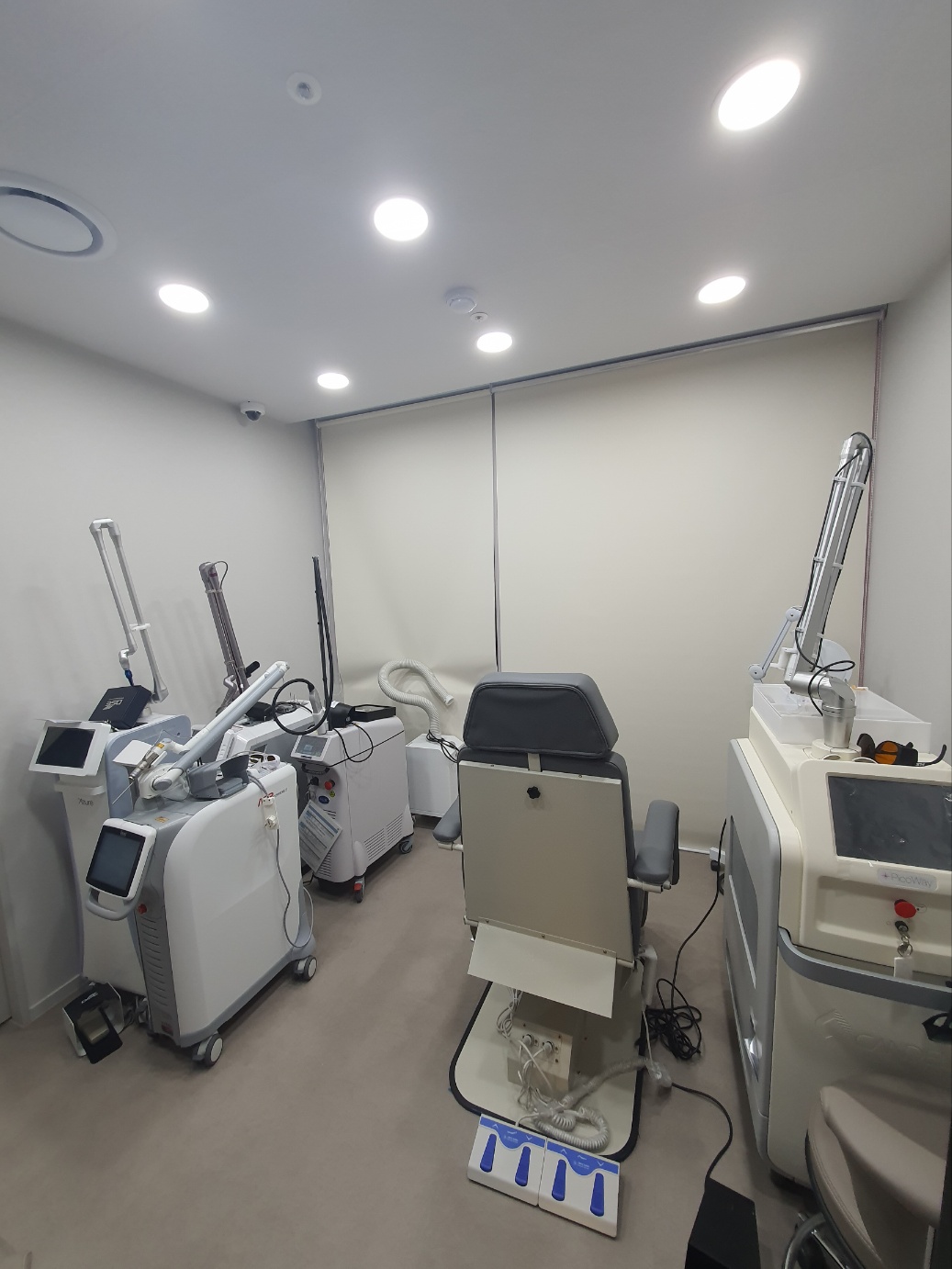
This innovative approach aims to enhance the skin's natural resilience by triggering the body's self-healing mechanisms that improve structural integrity and overall tissue health.
Hello, I am Dr. Hyung-kwon Park, a board-certified dermatologist and the medical director of LUNN. As a specialist focusing on structural harmony and precision aesthetics, I believe that true skin beauty begins with a robust internal defense system that can withstand environmental stressors. In this guide, I will explain how we utilize advanced light-based therapies and lifting protocols to support your skin's innate health and barrier function. Please note that individual results may vary based on skin type and condition, and multiple sessions may be required.
The Science of Supporting the Skin Barrier with Laser Technology
Laser-induced skin immunity refers to the process where specific wavelengths of light are used to modulate the cutaneous immune environment. This biological phenomenon relies on the skin's ability to interpret thermal signals as a call to action for repair and protection, thereby strengthening the dermal microenvironment over time. At LUNN, we prioritize this 'internal strengthening' over mere surface-level corrections.
Defining Skin Immunity and Cellular Response
The cellular response to laser energy is a complex biological sequence that begins the moment photons are absorbed by skin chromophores. At LUNN, we focus on how these interactions stimulate the skin's natural defense mechanisms. In my clinical experience, when light energy is applied precisely, it acts as a 'stimulant' that encourages the skin to recognize and repair damaged structures more efficiently. This process supports the skin's natural environment, helping to maintain a healthy barrier against external environmental stressors. While some may see lasers only as tools for removal, I view them as a means to awaken the skin's dormant vitality.
How Thermal Stress Triggers the Natural Protection Barrier
Thermal stress serves as a vital biological trigger that helps the skin optimize its physical and chemical barrier functions. When we apply precise heat via advanced technology, it induces a state of controlled stimulation that effectively alerts the body's repair systems. This process results in the strengthening of the skin's natural architecture. Clinical observations in our practice suggest that this localized thermal response can help improve the barrier's resilience, although individual results will vary based on baseline health. This proactive approach to skin health at LUNN does not just address current concerns but also builds a foundation for long-term resilience against seasonal changes and urban pollutants. It is a sophisticated method of reinforcing the skin's natural evolutionary defenses for modern living.
Advanced Technologies for Strengthening the Dermal Microenvironment
Advanced dermatological technologies for skin defense focus on providing deep structural stimulation while maintaining the integrity of the surface layers. These systems are designed to reach the papillary and reticular dermis to encourage the synthesis of new collagen and the restoration of the extracellular matrix which supports the skin's immune functions.
Advanced Lifting and Laser Treatment for Structural Recovery
Modern laser and lifting systems represent a significant advancement in regenerative aesthetics by offering a dual-action approach to skin health. These technologies combine precise energy delivery with a focus on structural recovery, making them an ideal choice for those looking to improve both the appearance and the defense of their skin. At LUNN, we utilize systems like Ultherapy and Thermage to stimulate a comprehensive healing response. While some patients may experience mild redness or temporary swelling after the procedure, these effects typically subside naturally as the skin begins its recovery process. By improving the density of the dermal layer, these treatments effectively create a more substantial physical barrier. This method is particularly beneficial for maintaining the youthful elasticity and vigor of the facial skin.
The Role of Non-Invasive Tightening in Tissue Repair
Non-invasive skin tightening technology plays a crucial role in maintaining tissue health by stimulating the reorganization of existing collagen fibers. These treatments use modalities like radiofrequency or high-intensity focused ultrasound (HIFU) to deliver energy deep into the dermal layers where the skin's structural support is located. When this energy is applied correctly, it triggers a cascade that results in the production of fresh collagen. This increase in collagen density not only improves the visible firmness of the skin but also supports the micro-vascular environment. In my view, consistent maintenance sessions can lead to gradual improvements in skin density and texture over time. However, it is important to note that these treatments require patience, as the biological remodeling of the tissue occurs gradually. Potential side effects like transient edema or mild tingling are possible but usually temporary in nature.
Comparing Skin Defense Restoration Methods at LUNN
Comparing skin defense restoration methods involves evaluating the efficacy, recovery time, and biological mechanisms of different dermatological procedures. This allows us to choose the most appropriate intervention based on the individual's unique skin condition and long-term health goals.
Analytical Comparison: Precision Laser vs. Traditional Protocols
At LUNN, the primary focus is on precision and the biological impact on the skin's defense system. While some protocols focus on surface-level peeling which requires specific recovery periods, our approach at LUNN emphasizes delivering energy to the deeper layers while maintaining the integrity of the outer skin. Each method has distinct characteristics depending on the patient's goals. This focus on 'detail and harmony' helps minimize unnecessary irritation and allows for a more controlled activation of the skin's natural repair systems. While individual responses differ, we prioritize protocols that offer a sustainable path to skin health. We often recommend a customized series of sessions to achieve the most balanced results for our patients in the Cheongdam and Apgujeong areas.
| Feature | LUNN Signature Laser Therapy | Surface-Peeling Protocols | Premium Skin Boosters |
|---|---|---|---|
| Downtime | Varies (Minimal to Moderate) | Varies by depth | Negligible |
| Mechanism | Micro-thermal stimulation | Surface-level peeling | Direct nutrient delivery |
| Immune Impact | Targeted repair activation | Broad surface activation | Localized metabolic boost |
| Sessions Required | 3-5 sessions typically | Varies by protocol | 3-5 sessions |
| Primary Goal | Defense & Structural Repair | Texture Correction | Hydration & Elasticity |
Choosing Between Laser Therapy and Premium Skin Booster Injections
Choosing between laser therapy and premium skin booster injections often depends on whether the skin needs physical stimulation or internal nourishment. Laser therapy works by using light energy to reorganize the physical structure of the dermis. On the other hand, premium skin booster injections, which often contain ingredients like PN or PDLLA, work by providing the essential building blocks for cellular repair directly into the tissue. At LUNN, I often find that a combination of both modalities provides a synergistic effect. While the laser provides the necessary signal for the repair system to activate, the boosters provide the resources required for that activation to be successful. It is a relationship where the laser improves the structural environment and the booster ensures the skin has what it needs to maintain that environment.
Natural Skin Rejuvenation in Seoul: A Dermatologist's Guide to Structural Harmony
Personalized Dermatologist-Led Facial Design for Lasting Health
Personalized dermatologist-led facial design is a comprehensive approach to aesthetics that prioritizes the structural health and resilience of the skin. This philosophy ensures that every treatment is tailored to the individual's specific anatomy and biological needs.
Customized Skin Care Protocols at Our Apgujeong Rodeo Clinic
At our Apgujeong Rodeo clinic, every customized program begins with a detailed analysis of the patient's skin barrier. This diagnostic phase is essential because no two individuals have the same baseline of skin health. I personally take the time to evaluate factors such as skin thickness, muscle tension, and the presence of underlying sensitivities before designing a plan. Our protocols at LUNN are not one-size-fits-all but are instead carefully calibrated to provide benefit with minimal stress to the tissue. This might involve combining mild treatments with specialized medical skincare to soothe the skin while it undergoes structural changes. By focusing on the 1mm difference in skin depth, we achieve a level of precision that defines our brand.
Managing Long-Term Skin Resilience Through Balanced Care
Managing long-term skin resilience requires a commitment to balanced medical care. True structural harmony is achieved when the skin's defense system is consistently supported through proper maintenance and professional guidance. At LUNN, we emphasize the importance of follow-ups to monitor the skin's progress. This proactive management helps to maintain the skin's protective barrier against age-related changes and environmental stress. We believe that a healthy skin barrier is the most effective foundation for any cosmetic outcome. By prioritizing medical integrity and scientific logic, we provide our patients with the tools to enjoy radiant, resilient skin. This is the essence of our practice and my promise as a specialist.
LUNN Dermatology Clinic Seoul: Expert Facial Rejuvenation and Structural Harmony Guide 2026
Frequently Asked Questions
Q. How exactly does a laser support the skin's natural barrier?
Laser treatments create controlled thermal signals that help activate the skin's natural repair pathways. This biological response supports the skin's local environment and improves overall tissue health. Results depend on individual skin characteristics. At LUNN, we use this response to help build a more resilient barrier over multiple sessions.
Q. Can laser treatments improve skin resilience?
Laser therapy is designed to stimulate the skin's natural healing responses, which can support the barrier function over time. This helps the skin better handle environmental stressors, although individual results vary and it is not a treatment for acute infections. It serves as a supportive measure for overall skin vitality.
Q. What are the common side effects of these skin defense laser treatments?
Typical responses include temporary redness, mild swelling, or a warm sensation in the treated area. These are usually part of the natural response required to trigger the healing process, but they generally subside within a few days. We provide comprehensive post-care instructions to manage these symptoms and minimize any discomfort.
Q. Is laser treatment suitable for sensitive skin types?
Yes, but it requires a highly customized approach. At our clinic, I evaluate each patient's skin thickness and sensitivity level to adjust the energy settings, ensuring we stimulate the defense system without causing unnecessary irritation. Personalization is the most important factor when treating sensitive skin.
Q. How many sessions are typically required to see an improvement in skin health?
Many patients notice a difference in skin texture after a few sessions. However, a series of three to five treatments is often recommended to achieve a significant and lasting boost in the skin's underlying structural integrity. The cumulative effect of multiple sessions typically leads to more stable and satisfactory long-term outcomes, though individual responses and the number of required sessions may vary.
Q. What is the downtime associated with non-invasive skin tightening technology?
Most non-invasive tightening procedures involve minimal downtime. You might experience slight redness immediately after the procedure, but most patients return to their daily activities almost immediately, provided they use sun protection. This makes it an ideal option for those with busy professional schedules in Gangnam.
Q. Why is a dermatologist-led facial design important for these treatments?
Skin is a complex organ, and applying energy requires precise medical knowledge. A dermatologist-led approach ensures that the treatment is balanced to stimulate the skin effectively without over-stressing the tissue, maintaining harmony between health and aesthetics. At LUNN, I personally oversee every stage of this process.
Key Takeaways
- Laser technology stimulates the skin's natural repair pathways to support barrier health and resilience.
- Advanced systems at LUNN focus on structural recovery with manageable recovery times, tailored to each patient's needs.
- A combination of laser therapy and premium skin boosters can create a synergistic effect for both structural and nutritional support.
- Professional consultation at LUNN ensures that treatments are customized to the individual's skin thickness and biological profile.
- Long-term resilience is achieved through consistent maintenance and a focus on structural harmony rather than just surface-level changes.
LUNN / Dr. Hyung-kwon Park Lune Dermatology Clinic, 5F, 822 Seolleung-ro, Gangnam-gu, Seoul / 02-512-7788 Follow me on Threads @dr.lunn for more insights into structural skin harmony.
FAQ
- How exactly does a laser wake up the skin's defense against external threats?
- Laser treatments create controlled micro-injuries or thermal signals that activate heat shock proteins and cytokines. This biological response recruits immune cells to the area, effectively strengthening the skin's local defense mechanisms and improving overall tissue health. At lunnclinic, we use this response to build a more resilient barrier over multiple sessions.
- Can laser treatments prevent viral infections on the skin?
- While laser therapy is not a direct cure or a substitute for medical antiviral treatments, it can enhance the skin's barrier function and immunological surveillance. This makes the skin more resilient against various environmental stressors, although individual results regarding specific pathogens will vary. It should be seen as a supportive measure for overall skin health.
- What are the common side effects of these skin defense laser treatments?
- Typical responses include temporary redness, mild swelling, or a warm sensation in the treated area. These are usually part of the natural inflammatory response required to trigger the healing process, but they generally subside within a few days. We provide comprehensive post-care instructions to manage these symptoms effectively.
- Is the Re2O laser treatment suitable for sensitive skin types?
- Yes, but it requires a customized approach. At our clinic, I evaluate each patient's skin thickness and sensitivity level to adjust the energy settings, ensuring we stimulate the defense system without causing unnecessary irritation or damage. Personalization is key to treating sensitive skin safely with light energy.
- How many sessions are typically required to see an improvement in skin health?
- Many patients notice a difference in skin texture and resilience after one or two sessions. However, a series of three to five treatments is often recommended to achieve a significant and lasting boost in the skin's underlying defense and structural integrity. The cumulative effect of multiple sessions leads to the best long-term outcomes.
- What is the downtime associated with non invasive skin tightening technology?
- Most non-invasive tightening procedures involve minimal downtime. You might experience slight erythema immediately after the procedure, but most patients can return to their daily activities and skincare routines almost immediately, provided they use sun protection. This makes it an ideal option for those with busy professional schedules.
- Why is a dermatologist led facial design important for immune boosting treatments?
- Skin is a complex organ, and applying laser energy requires precise medical knowledge. A dermatologist-led approach ensures that the treatment is balanced to stimulate the immune system effectively without over-stressing the tissue, maintaining a perfect harmony between health and aesthetics. At lunnclinic, I personally oversee every stage of this design process.