
Post
Can Laser Hair Removal Help with Chronic Skin Inflammation? A 2026 Specialist Guide
Laser hair removal for chronic skin inflammation is a specialized medical approach that utilizes targeted light energy to neutralize follicles that contribute to recurring irritation. This method addresses the root cause of conditions like ingrown hairs and bacterial folliculitis, providing a long-term symptom management for patients who struggle with the limitations of traditional grooming. Hello, I am Dr. Hyung-kwon Park, a dermatology specialist at LUNN in Apgujeong Rodeo.
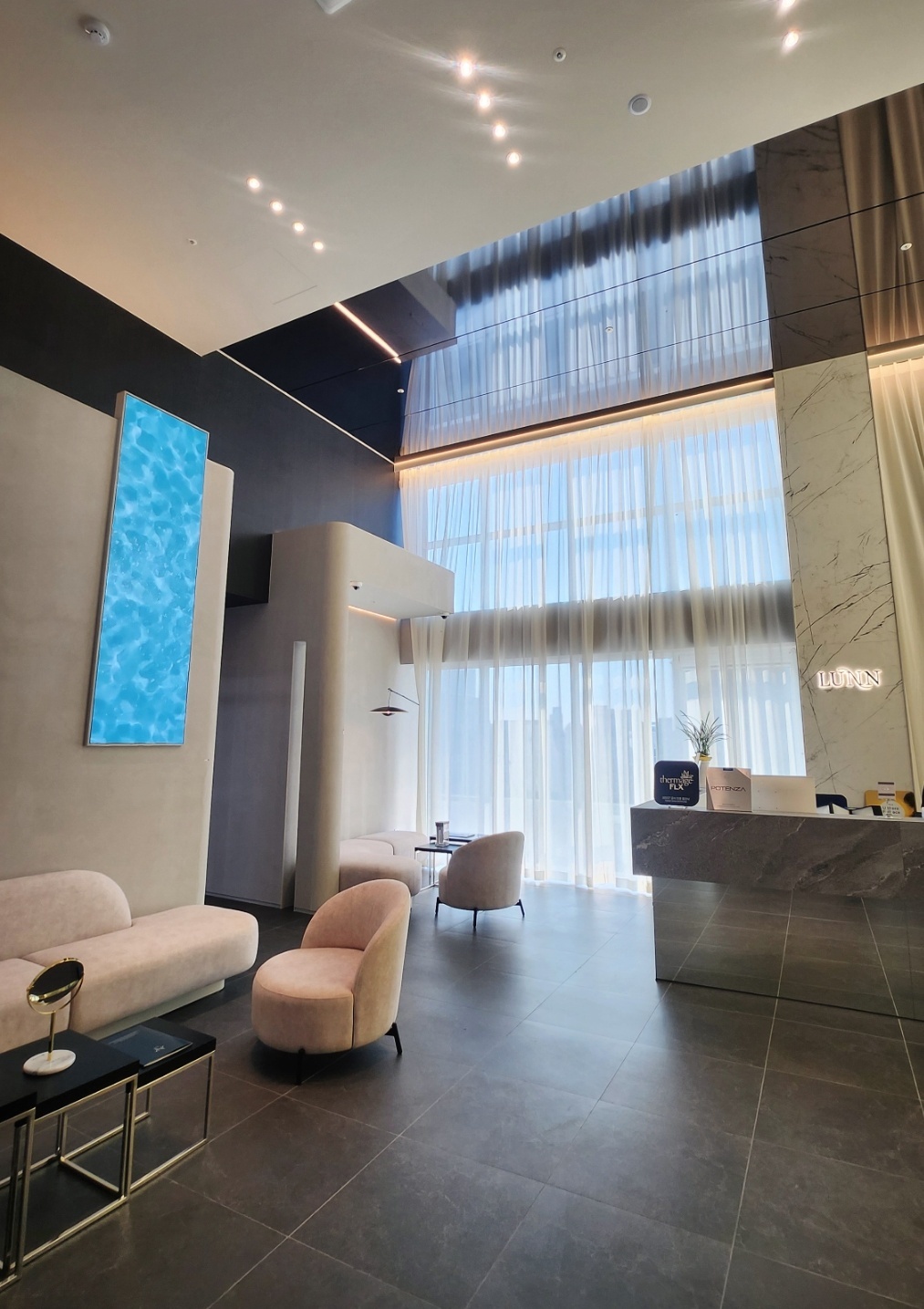
In this guide, I will explain how medical laser technology can serve as a therapeutic tool to improve your skin health and restore structural harmony.
Understanding the Relationship Between Laser Hair Removal and Chronic Skin Inflammation
Laser hair removal for inflammatory relief involves the application of selective photothermolysis to destroy hair follicles that trigger the body’s defensive responses. By targeting the melanin within the hair, the laser delivers heat that prevents future growth, thereby eliminating the mechanical and biological triggers of persistent skin redness and discomfort.
Defining the Mechanism of Laser Hair Removal for Inflammatory Relief
Laser hair removal operates on the principle of selective photothermolysis, where specific wavelengths of light are absorbed by the melanin in hair follicles. At LUNN, this process is refined to not only reduce hair growth but also to alleviate the underlying causes of chronic skin inflammation. By destroying the follicle, the body’s inflammatory response to foreign bodies, such as ingrown hairs, is notably diminished. Clinical observations suggest that a reduction in follicular activity can lead to a noticeable reduction in localized redness during the course of treatment. This method is far more precise than mechanical removal, as it targets the root without disturbing the skin's surface integrity. For patients struggling with persistent irritation, this shift from temporary removal to permanent follicular reduction can contribute to improved dermal stability in some cases. The energy levels are carefully modulated—focusing on that 1mm difference in depth—to ensure the safety of the surrounding tissue, providing a controlled environment for skin healing.
Addressing Pseudofolliculitis Barbae and Chronic Razor Bumps
Pseudofolliculitis barbae, commonly referred to as razor bumps, is a chronic inflammatory condition where hair curls back into the skin, leading to painful papules. At LUNN, we utilize medical-grade laser technology to address the underlying cause of this irritation by reducing the hair density in the affected area. My clinical experience indicates that individuals suffering from this condition experience a significant reduction in inflammatory lesions after a series of targeted laser treatments. By removing the source of the mechanical friction and internal puncture, the skin's surface begins to smooth out and recover its natural barrier function. This medical intervention may be helpful for those with coarse, curly hair who are prone to recurring cycles of infection. We focus on adjusting the laser parameters—the 'parameter aesthetics'—to the specific melanin levels and skin sensitivity of the patient, ensuring that the follicle is neutralized without causing unnecessary thermal damage.
How Targeted Light Energy Disrupts the Cycle of Skin Irritation
Targeted light energy disrupts the cycle of skin irritation by delivering precise bursts of heat that deactivate the growth phase of the hair. This disruption is essential for patients whose skin reacts to the presence of terminal hairs in sensitive areas. At LUNN, we utilize systems that allow for customized pulse durations, which are critical for managing inflamed tissue. Just as a magnifying glass focuses sunlight to a single point, our lasers focus energy precisely on the follicle. Evidence suggests that the use of specialized wavelengths can significantly decrease the conditions that favor bacterial colonization in the follicles. This therapeutic effect occurs because a thinner, softer hair is less likely to cause the micro-tears that lead to secondary infections. By breaking the cycle of irritation and repair, the skin is finally given the opportunity to achieve a state of lasting equilibrium. This precision-based approach ensures that the light energy focuses solely on the problematic structures, maintaining the health of the adjacent epidermal layers.
Therapeutic Benefits of Laser Hair Removal for Specialized Skin Conditions
Therapeutic benefits of laser hair removal extend beyond aesthetic goals, providing clinical relief for patients with complex dermatological conditions. For those suffering from recurrent infections, reducing the density of terminal hair can lead to a more stable and resilient skin environment.
Managing Recurrent Folliculitis through Follicular Reduction
Folliculitis is characterized by the inflammation of the hair follicle, often caused by bacterial infections that thrive in the presence of trapped hair and sebum. By implementing a strategic follicular reduction plan, we can minimize the sites where these infections originate, leading to a clearer and healthier skin texture. Clinical observation shows that patients who undergo a tailored course of treatment see a significant reduction in the frequency of folliculitis flare-ups compared to those relying solely on traditional shaving. At our clinic, we focus on the '1mm difference' in treatment depth to ensure the laser reaches the bulb of the follicle without unnecessarily irritating the surface. This proactive approach aims to prioritize overall dermal health. Consistent treatment sessions allow the skin to regenerate without the constant interruption of new inflammatory lesions, which is vital for long-term recovery. It is important to note that individual results may vary, and some may require more sessions than others to achieve stability.
Breaking the Cycle of 'Razor-Induced' Skin Damage
Many patients visit LUNN after years of damaging their skin barrier through aggressive shaving or exfoliation. This 'Pseudo-Koebner' phenomenon—where micro-trauma facilitates the spread of viral or bacterial issues—is a common pitfall. For example, flat warts can spread rapidly across the face or legs due to nicks from a razor blade. By switching to laser hair removal, we eliminate the need for daily mechanical trauma. This allows the skin's localized immunity to recover. I often tell my patients that just as you wouldn't keep applying new wallpaper to a crumbling wall, you shouldn't keep shaving over inflamed skin; you must address the foundation. Laser treatment serves as that foundation, which may help address one of the main aggravating factors for your skin health. While the laser reduces the hair, the skin finally has the downtime required to repair its natural lipid barrier, which can support improvement in texture and tone for some patients.
Creating a Customized Skin Care Program at LUNN in Apgujeong Rodeo
Creating a customized skin care program is essential for patients with chronic inflammation because generic settings often fail to address the unique sensitivities of reactive skin. At LUNN, we begin every journey with a detailed analysis of the skin’s current inflammatory state. This allows us to design a plan that accounts for the specific dermal thickness and hair growth cycles of the individual. Our approach incorporates high-precision technology to ensure that every session contributes to the overall harmony of the skin. We integrate specific cooling protocols to prepare the area for the laser energy, ensuring comfort. This personalized care is a hallmark of our Apgujeong Rodeo practice, where I personally oversee the process from consultation to the final procedure. By tailoring the pulse width and fluence, we aim to achieve follicular reduction while helping to maintain the skin's moisture balance throughout the year.
Comparing Traditional Hair Removal Methods and Medical Laser Treatment
Comparing traditional hair removal methods with medical laser treatment reveals a difference in how each approach impacts the skin’s inflammatory status. Shaving and waxing may contribute to skin irritation in some individuals.
Comparing Physical Trauma: Why Razors and Waxing May Exacerbate Inflammation
Traditional methods like shaving and waxing cause physical trauma to the epidermis, leading to micro-abrasions and the disruption of the skin's natural lipid barrier. When a razor cuts the hair at a sharp angle, it increases the likelihood of the hair growing back into the follicle, triggering an immediate inflammatory response. In contrast, medical laser treatment avoids direct contact with the skin surface in a way that would cause mechanical tearing. Instead, it uses thermal energy to selectively target the structures beneath the surface. This fundamental difference means that while shaving provides a smooth surface for only a few hours, it often leaves behind a legacy of irritation. For individuals with sensitive skin, the repeated cycle of trauma from traditional grooming can lead to chronic thickening and post-inflammatory hyperpigmentation.
A Comparison of Long-Term Skin Health Outcomes
When we look at long-term health outcomes, medical-grade laser treatment may offer different benefits compared to home-based devices. While home devices are available, they lack the specific power required for deep follicular targeting, often leading to incomplete results. Medical-grade lasers used by a specialist provide a higher degree of safety and efficacy, as professional treatments allow for precise energy calibration, which may help achieve more consistent results for some patients. Furthermore, the skin texture improvement seen with professional laser therapy is attributed to the careful management of the dermal environment. Over time, the absence of recurring inflammation allows the skin to heal from previous pigmentation issues and minor scarring, which may help the skin recover a more uniform appearance for some patients. I always emphasize to my patients that while a good camera doesn't guarantee a masterpiece, the eye of the photographer—or in this case, the specialist—determines the final result.
| Feature | Traditional Methods (Shaving/Waxing) | Medical Laser Treatment (LUNN) |
|---|---|---|
| Mechanism | Mechanical trauma to the skin surface | Selective photothermolysis of the follicle |
| Frequency | Requires daily or weekly maintenance | Multiple sessions based on growth cycles |
| Effect on Inflammation | Often exacerbates bumps and redness | Significantly reduces the root cause of irritation |
| Precision | Minimal control over depth or impact | High precision with customized parameters |
| Long-Term Health | Can lead to scarring and thickening | Promotes skin texture refinement and healing |
| Recovery Time | Immediate risk of nicks and razor burn | Minimal downtime (temporary redness/swelling) |
The Precision of Dermatologist-Led Facial and Body Hair Design
The precision of a dermatologist-led approach ensures that hair removal is conducted with a deep understanding of facial anatomy. At LUNN, we do not view hair removal as a standalone task but as a component of overall facial harmony. By carefully designing the treatment area, we can ensure that the reduction in hair enhances your natural features. This is particularly important for facial hair design, where even a 1mm difference in a border can significantly alter the balance of the jawline. I adjust settings in real-time based on the skin's reaction, a level of oversight not possible with automated systems. This professional consistency ensures that every patient receives a treatment that is both safe and tailored to their specific goals. We aim to help patients achieve their desired appearance that reflects their internal vitality.
Professional Considerations and Safety Protocols for Inflamed Skin
Professional considerations and safety protocols are the foundation of any successful medical laser treatment, especially when dealing with skin already compromised by inflammation. A cautious approach is necessary to ensure the procedure does not worsen the existing condition.
Why Proper Diagnosis is Essential Before Starting Laser Treatment
Proper diagnosis is the most critical step before beginning any laser intervention, as certain inflammatory conditions can mimic simple razor bumps while actually requiring systemic medical treatment. At LUNN, I perform a thorough visual assessment to distinguish between simple folliculitis and more complex processes. Starting laser treatment on an undiagnosed active infection can potentially spread the bacteria. We take the time to understand your medical history to identify any contraindications. This diagnostic phase ensures that the treatment is effective and safe for your specific skin type. By establishing a clear clinical baseline, we can accurately monitor progress and adjust the treatment plan as the skin begins to heal. This commitment to diagnostic excellence is what defines our professional standard.
Managing Potential Risks and Limitations of Medical Lasers
While medical lasers are highly effective, they are not without potential risks, especially for reactive skin. Potential side effects can include temporary redness, swelling, or mild discomfort during the procedure, though these typically resolve quickly. In some cases, temporary pigmentary changes may occur if settings are not perfectly calibrated to the individual. At LUNN, we mitigate these risks by using advanced cooling technologies and conducting test patches when necessary. It is also important to understand that laser hair removal is a management tool rather than a 100% guarantee for all systemic skin issues. Individual results vary based on hormonal factors and skin type. We ensure every patient is fully informed of these limitations and potential side effects before proceeding, maintaining an honest and ethical practice. Regular follow-up allows us to refine energy parameters for subsequent sessions.
Integration of Skin Care for Post-Inflammatory Recovery
Integration of specialized skin care can further enhance the recovery process for skin damaged by chronic inflammation. Once the hair-related irritation is under control, many patients benefit from treatments that focus on skin texture refinement. We often recommend complementary routines that support the skin barrier, such as using high-quality moisturizers (like basic petrolatum for sensitive areas) to help smooth out residual thickening. This holistic approach ensures that the skin does not just stop being irritated but actively moves toward a state of health and structural balance. Our clinic is dedicated to using scientific principles to help you achieve a complexion that feels as good as it looks. You can follow our journey and see more clinical insights on Threads @dr.lunn. Through careful management and professional oversight, we help you transition from chronic discomfort to a state of lasting skin health.
Frequently Asked Questions
Q. Can laser hair removal completely cure chronic skin inflammation?
While laser hair removal can significantly reduce the root causes of inflammation like ingrown hairs, it is classified as a management tool rather than a guaranteed 100% cure for all systemic skin diseases. Results vary depending on the individual's skin type and condition. We focus on long-term symptom reduction and structural improvement.
Q. Is it safe to perform laser hair removal on skin that is currently inflamed?
It depends on the cause and severity. At LUNN, we evaluate active inflammation carefully; in some cases, we must first calm the acute redness with medical treatment before proceeding with the laser. This precaution helps to avoid further irritation or potential pigmentary changes on highly reactive skin.
Q. How many sessions are typically required to see an improvement?
Visible improvement in skin calmness often begins after 3 to 5 sessions as hair density decreases. However, a full course tailored to the hair growth cycle typically requires multiple sessions (often 5 to 10 depending on the area) to ensure long-term reduction. Consistency is key to allowing the skin the time it needs to heal properly.
Q. What are the common risks associated with laser hair removal for sensitive skin?
Potential side effects include temporary redness, swelling, or mild discomfort which usually subsides within a day or two. In rare cases, temporary pigment changes may occur. We mitigate these risks through precise setting adjustments and specialized cooling protocols tailored to each patient.
Q. Does laser hair removal help with scarring caused by ingrown hairs?
By eliminating the recurring trauma of ingrown hairs, the skin is given a chance to heal and stop forming new scar tissue. While the laser focuses on the follicle, preventing new lesions is the first step in scar management. Over time, the absence of inflammation allows the skin’s natural repair mechanisms to improve the appearance of existing marks.
Q. How does the treatment at LUNN differ from home laser devices?
Medical-grade lasers provide significantly higher power and specific wavelengths that home devices cannot match. This professional precision allows for deeper follicular targeting necessary for treating chronic inflammatory conditions. Furthermore, my personal oversight ensures settings are adjusted to your skin's immediate reaction for maximum safety.
Q. Is there any downtime when treating inflammatory conditions with laser?
Most patients return to their daily routines immediately. However, for areas prone to inflammation, we recommend avoiding high-heat environments like saunas or intense exercise for 24 to 48 hours to prevent further follicular stress. Following post-care instructions is vital for minimizing any temporary redness.
Key Takeaways
- Root Cause Targeting: Laser hair removal addresses the underlying triggers of chronic inflammation by neutralizing the hair follicle.
- Professional Oversight: A specialist's diagnosis is essential to distinguish between simple irritation and complex skin conditions before treatment.
- Customized Parameters: Successful outcomes require tailored energy settings (fluence, pulse width) to match individual skin sensitivity and hair cycles.
- Skin Barrier Protection: Transitioning from razors to lasers stops the cycle of micro-trauma, allowing the skin's natural barrier and immunity to recover.
- Long-Term Consistency: Multiple sessions are necessary to achieve permanent hair reduction and significant improvement in skin texture and health.
LUNN / Dr. Hyung-kwon Park
FAQ
- Can laser hair removal completely cure chronic skin inflammation?
- While laser hair removal can significantly reduce the root causes of inflammation like ingrown hairs and bacterial buildup, it is classified as a management tool rather than a guaranteed cure for systemic skin diseases. Results vary depending on the individual patient's skin type and the specific nature of their inflammatory condition. We focus on long-term management and symptom reduction.
- Is it safe to perform laser hair removal on skin that is currently inflamed?
- It depends on the severity and the cause of the inflammation. At lunnclinic, we evaluate active inflammation carefully; in some cases, we must first calm the acute infection or redness with medical treatment before proceeding with the laser. This precaution helps to avoid further irritation or potential pigmentary changes that could occur on highly reactive skin.
- How many sessions are typically required to see an improvement in skin texture?
- For patients with chronic irritation, visible improvement in skin calmness often begins after 3 to 5 sessions. However, a full customized skin care program usually involves 8 or more sessions to ensure long-term reduction in hair growth and associated inflammation. Consistency is key to allowing the skin the time it needs to heal and regenerate properly.
- What are the common risks associated with laser hair removal for sensitive skin?
- Potential side effects include temporary redness, swelling, or mild discomfort during the procedure which usually subsides within a day or two. In rare cases, especially on darker or highly reactive skin, temporary pigment changes may occur. We mitigate these risks through precise setting adjustments and specialized cooling protocols tailored by a specialist.
- Does laser hair removal help with scarring caused by ingrown hairs?
- By eliminating the recurring trauma of ingrown hairs, the skin is finally given a chance to heal and stop forming new scar tissue. While the laser itself focuses on the follicle, preventing new lesions is the first step in skin texture refinement and scar management. Over time, the absence of inflammation allows the skin’s natural repair mechanisms to improve existing marks.
- How does the treatment at lunnclinic differ from home laser devices?
- Medical-grade lasers used by a Seoul dermatologist provide significantly higher power and specific wavelengths that home devices cannot match. This professional precision allows for deeper follicular targeting which is necessary for treating chronic inflammatory conditions effectively. Furthermore, specialist oversight ensures that the settings are adjusted to your skin's immediate reaction for maximum safety.
- Is there any downtime when treating inflammatory conditions with laser?
- Most patients can return to their daily routines immediately after the session. However, when treating areas prone to chronic inflammation, we recommend avoiding high-heat environments like saunas or intense exercise for 24 to 48 hours to prevent further follicular stress. Following post-care instructions is vital for minimizing any temporary redness or swelling.