
Post
A Professional Guide to Pigment Treatment in Seoul: Achieving Radiant Harmony at Lunn Dermatology Clinic
Hello, I am Dr. Park Hyoung-kwon, a board-certified dermatologist at Lunn Dermatology Clinic in the Cheongdam and Apgujeong-Rodeo area. Pigment treatments represent a sophisticated approach to addressing dermal imperfections by precisely targeting melanin clusters while respecting the overall balance of the face. My philosophy centers on 'Refining the Details and Achieving Perfect Harmony,' focusing on the underlying structure rather than just surface-level spots. While these treatments are effective, it is important to remember that results vary by individual, and a professional consultation is required to determine the best approach for your skin. Potential side effects, such as temporary redness or swelling, are part of the healing process and will be managed through our clinical protocols.
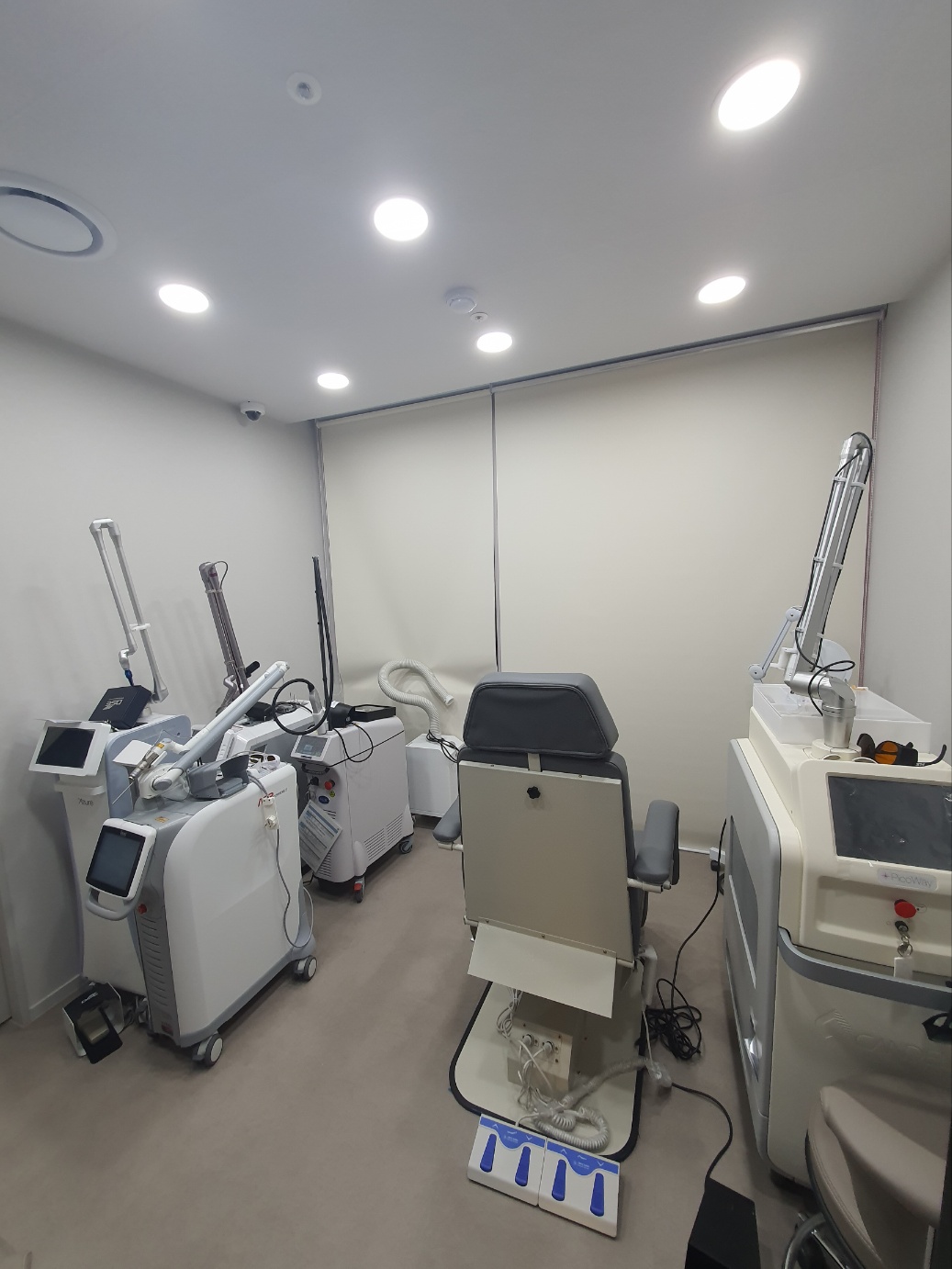
Understanding Pigmentation Treatments at Lunn Dermatology Clinic
Pigmentation treatment at our clinic is a medical procedure that uses specific wavelengths of light to break down excess melanin. This technology allows for the selective targeting of pigmented lesions while minimizing impact on the surrounding tissue. However, I believe that even the best equipment is only as effective as the doctor’s eye. Just as a high-end camera does not automatically produce a masterpiece, the clinical results of a laser depend on the precise energy settings and the doctor’s understanding of the skin's anatomy.
Classification of Skin Pigmentation and Structural Analysis
Skin pigmentation manifests in diverse forms, from superficial sunspots to deep-seated melasma. At Lunn Dermatology Clinic, we do not rely solely on automated systems. Instead, I personally perform a 'state analysis' by feeling the skin's texture and observing the depth of wrinkles and fat distribution. Solar lentigines typically sit in the upper layers, while melasma is a complex condition that requires a gentler, more sustained approach to avoid triggering further darkening. By manually analyzing the facial structure and the 'shadows' created by ligaments, we can create a customized plan that addresses both the color and the structural causes of a tired appearance.
Mechanisms of Melanin Targeting and Removal
The primary mechanism involves selective photothermolysis, where light energy is absorbed by melanin to cause mechanical disruption. We utilize advanced systems that deliver energy in picoseconds to shatter pigment particles into tiny fragments. This photoacoustic effect minimizes heat transfer to the surrounding healthy skin, reducing the risk of thermal damage. Once the melanin is fragmented, the body's natural lymphatic system processes these particles over several weeks. Our goal is to clear the complexion while preserving the overall health and structural integrity of your skin.
Defining Realistic Expectations for Laser Results
Skin transformation is a gradual process rather than an immediate change. Many of my patients observe visible improvements in their skin tone after just one or two sessions, but achieving significant improvement in deep pigmentation typically requires a structured series of treatments. In my clinical experience, I tell my patients honestly: 'One session will not provide a dramatic 100% cure.' It is a journey of restoration. While lasers are highly effective at removing existing spots, they do not prevent new ones from forming without diligent sun protection. During your consultation, I provide a roadmap based on your specific needs to ensure a safe and effective treatment plan.
The Lunn Dermatology Approach to Structural Rejuvenation
Personalized correction focuses on diagnosing the specific depth of the lesion while considering the facial 'layers.' This diagnostic accuracy is what separates a standard procedure from specialized dermatological care. By assessing the unique characteristics of each patient's skin, we design a program that addresses underlying skin health, such as using specialized lifting or fillers to erase shadows that mimic pigmentation.
Why a Customized Plan from a Seoul Dermatologist is Essential
No 두 individuals share the same skin DNA, which is why a one-size-fits-all approach often fails. At Lunn Dermatology Clinic, a customized program is essential for navigating the complexities of different skin types, especially those prone to post-inflammatory hyperpigmentation (PIH). I adjust laser parameters such as spot size and pulse duration based on my physical assessment of your skin's resilience. Many patients who have had unsatisfactory experiences elsewhere find that their previous treatments were not specific enough for their pigment type or ignored the underlying structural shadows.
Erasing Shadows: The Role of Under-Eye Care and Lifting
Sometimes, what appears to be a dark circle is actually a 'shadow' caused by the tear trough ligament pulling on the skin. In such cases, laser alone is not the answer. I utilize 'shadow erasing' strategies, often involving low-hydrophilic fillers like Belotero that minimize post-procedure swelling (the Tyndall effect). Furthermore, for total facial harmony, we may incorporate lifting modalities like Ulthera (targeting the SMAS layer), Thermage (for dermal elasticity), or ONDA. Addressing both the pigment and the structural 'foundation' of the face ensures the skin looks vibrant and healthy, enhancing your natural beauty through improved structural health.
Synergy Treatments for Enhanced Skin Recovery
Synergy treatments involve combining lasers with skin boosters to support the skin's natural healing response. These combinations are designed to address the skin from multiple angles, ensuring the recovery period is used to build a stronger skin barrier. This integrated strategy is a hallmark of the premium care we provide.
Integrating Skin Booster Injection for Post-Laser Hydration
Laser treatments can temporarily disrupt the skin's moisture barrier. Integrating a skin booster can help support the healing phase by delivering nutrients directly into the dermis. This synergy soothes the skin and provides an environment for cellular repair. In my practice, I have found that patients who receive these boosters post-laser often experience a more comfortable recovery with less temporary redness and dryness. It is like watering a dry field after tilling the soil; the nutrients absorb better and the results are more pronounced.
Structural Support and Volume Restoration
For patients concerned with both discoloration and a loss of facial volume, I often recommend a conservative approach to fillers or lifting. Instead of overfilling, we focus on 'rebuilding the scaffolding' of the skin. When the skin is structurally sound and the volume is balanced, light reflects more evenly across the face, making the results of your pigment laser appear more refined. This dual-action approach addresses the signs of aging from the surface to the deep dermis, ensuring your complexion remains firm and clear.
Comparison of Laser and Structural Modalities
Choosing the right modality is critical for success without causing unnecessary trauma. Modern dermatology offers a range of options tailored for specific depths.
| Modality | Target Area | Typical Recovery | Primary Benefit |
|---|---|---|---|
| Picosecond Laser | Epidermal & Dermal Pigment | 1 - 3 Days | High precision, minimal heat impact |
| Under-Eye Filler | Tear Trough (Shadows) | 1 - 2 Days | Erases 'shadow' dark circles |
| Ulthera | Deep SMAS Layer | Immediate | Structural lifting and contouring |
| Thermage | Dermis | Immediate | Collagen regeneration and elasticity |
| Skin Boosters | Dermal Environment | 1 - 2 Days | Enhanced hydration and recovery |
Safety Management and Potential Side Effects
Safety management involves a rigorous assessment of your skin type. While complications are rare when handled by a specialist, understanding possible reactions is essential. My protocol includes personal pre-treatment conditioning and post-treatment monitoring to ensure high standards of care.
Identifying Material Risks and Temporary Reactions
All medical procedures carry certain risks. Common temporary reactions include mild erythema (redness), localized swelling, and a sensation similar to a mild sunburn, which usually resolve within a few days. Strict sun protection is mandatory post-treatment. In some cases, treated spots may darken temporarily as they shed. More significant risks, such as post-inflammatory hyperpigmentation, are minimized when the doctor personally adjusts the energy levels based on your skin's daily condition. We provide every patient with a comprehensive recovery guide to ensure the journey is as predictable as possible.
Frequently Asked Questions
Q. What is the typical recovery time after a pigment treatment?
Recovery varies, but most patients experience mild redness for 1 to 3 days. Some pigment may darken or form micro-crusts for about a week before naturally shedding. Following the aftercare instructions, such as avoiding saunas for a week, is essential.
Q. How many sessions are generally required for visible results?
While changes can be seen after one session, a series of 3 to 5 treatments is often recommended for significant improvement. Deep-seated pigment or melasma requires a more gradual, conservative approach to ensure the skin is not overwhelmed.
Q. Are there any side effects I should be aware of?
Common temporary effects include redness, swelling, and mild itching. Rarely, pigment changes can occur if sun protection is neglected. I conduct a thorough physical screening for every patient to minimize these risks and ensure the settings are appropriate for your specific muscle and fat distribution.
Q. Can I combine laser treatment with skin boosters?
Yes, this is a highly recommended synergy. Skin boosters provide the hydration and nutrients needed to repair the barrier after laser energy has been applied, leading to a faster and more radiant recovery.
Q. Is the treatment painful?
Most patients describe the laser as a light snapping sensation. We apply topical numbing cream to ensure the procedure is comfortable. For lifting treatments, we carefully manage the energy levels to balance efficacy and comfort.
Q. Who is not a good candidate for pigment therapy?
Individuals with active skin infections or those who have recently tanned excessively may need to delay treatment. A professional evaluation by a specialist is necessary to determine if your skin is ready for laser intervention.
Q. How do I maintain my results?
Strict sun protection is the most critical factor. UV rays suppress local skin immunity and trigger new pigment. I also recommend a maintenance routine that focuses on barrier repair and hydration to sustain the 'Lunn glow.'
Q. How does your clinic differ from 'factory-style' clinics?
At Lunn Dermatology Clinic, I personally handle everything from the initial consultation to the final treatment. We avoid standardized 'one-size-fits-all' packages. We focus on the 1mm difference that creates natural beauty, rather than excessive changes that look artificial.
Key Takeaways
- Precision and Detail: We use picosecond technology and structural analysis to target melanin while maintaining facial balance.
- Expert Diagnosis: A dermatologist's manual assessment is vital to distinguish between pigment and structural shadows.
- Synergy Care: Combining treatments with skin boosters or low-hydrophilic fillers provides more comprehensive results for tired-looking eyes.
- Honest Results: We prioritize long-term skin health and natural outcomes over-exaggerated promises of immediate perfection.
For more insights, you can follow my updates on Threads @dr.lunn. If you have concerns about persistent spots or a tired appearance, I invite you to visit our clinic for a detailed diagnostic consultation.
Lunn Dermatology Clinic / Dr. Park Hyoung-kwon
FAQ
- What is the typical recovery time after a pigment laser treatment?
- Recovery varies by individual, but most patients experience mild redness for 1 to 3 days. Deeper treatments might involve slight scabbing or darkening of spots for about a week. It is important to follow the specific aftercare provided during your consultation at lunnclinic to ensure optimal healing.
- How many sessions are generally required for visible results?
- While some see changes after one session, a series of 3 to 5 sessions is often recommended for significant pigment reduction. The exact number depends on the depth and type of pigmentation present. For deep melasma, a more gradual approach over several months may be necessary.
- Are there any side effects I should be aware of?
- Common temporary side effects include redness, swelling, and mild itching immediately after the procedure. In rare cases, temporary pigment darkening or lightening may occur if the skin is not properly protected from the sun. We provide a thorough screening to minimize these risks for every patient.
- Can I combine laser treatment with skin booster injections?
- Yes, combining laser therapy with a skin booster injection Seoul can help accelerate the healing process. This combination improves overall skin radiance by providing deep hydration and essential nutrients to the dermis. It is a popular synergy treatment at lunnclinic for maximizing results.
- Is the laser treatment for pigmentation painful?
- Most patients describe the sensation as a light snapping of a rubber band against the skin. We apply topical numbing cream to ensure the procedure is as comfortable as possible. The fast pulse duration of modern lasers also helps minimize the sensation of heat during the treatment.
- Who is not a good candidate for pigment laser therapy?
- Individuals with active skin infections, certain autoimmune conditions, or extremely tanned skin may need to delay treatment. A professional evaluation by Dr. Park Hyoung-kwon is necessary to determine candidacy. We always assess the skin current state to ensure the laser will be safe and effective.
- How do I maintain my results after the procedure?
- Strict sun protection is the most critical factor in maintaining your clear complexion. Using broad spectrum sunscreen and avoiding direct UV exposure helps prevent the recurrence of melanin overproduction. We also recommend a maintenance skin care routine tailored to your skin type to sustain the glow.
- What is the difference between Re2O laser and standard picolasers?
- The Re2O laser focuses on both pigment and skin texture refinement, making it a versatile option for patients seeking comprehensive rejuvenation. While standard picolasers are excellent for shattering melanin, Re2O provides additional benefits for pore size and fine lines. We choose the modality based on your primary skin concerns.