
Post
A Specialist's 2026 Guide to Korean Non-Surgical Lifting Synergy Programs: Achieving Facial Harmony at LUNN
A Korean non-surgical lifting synergy program is a comprehensive treatment approach that combines multiple advanced medical technologies to address aging across various skin layers.
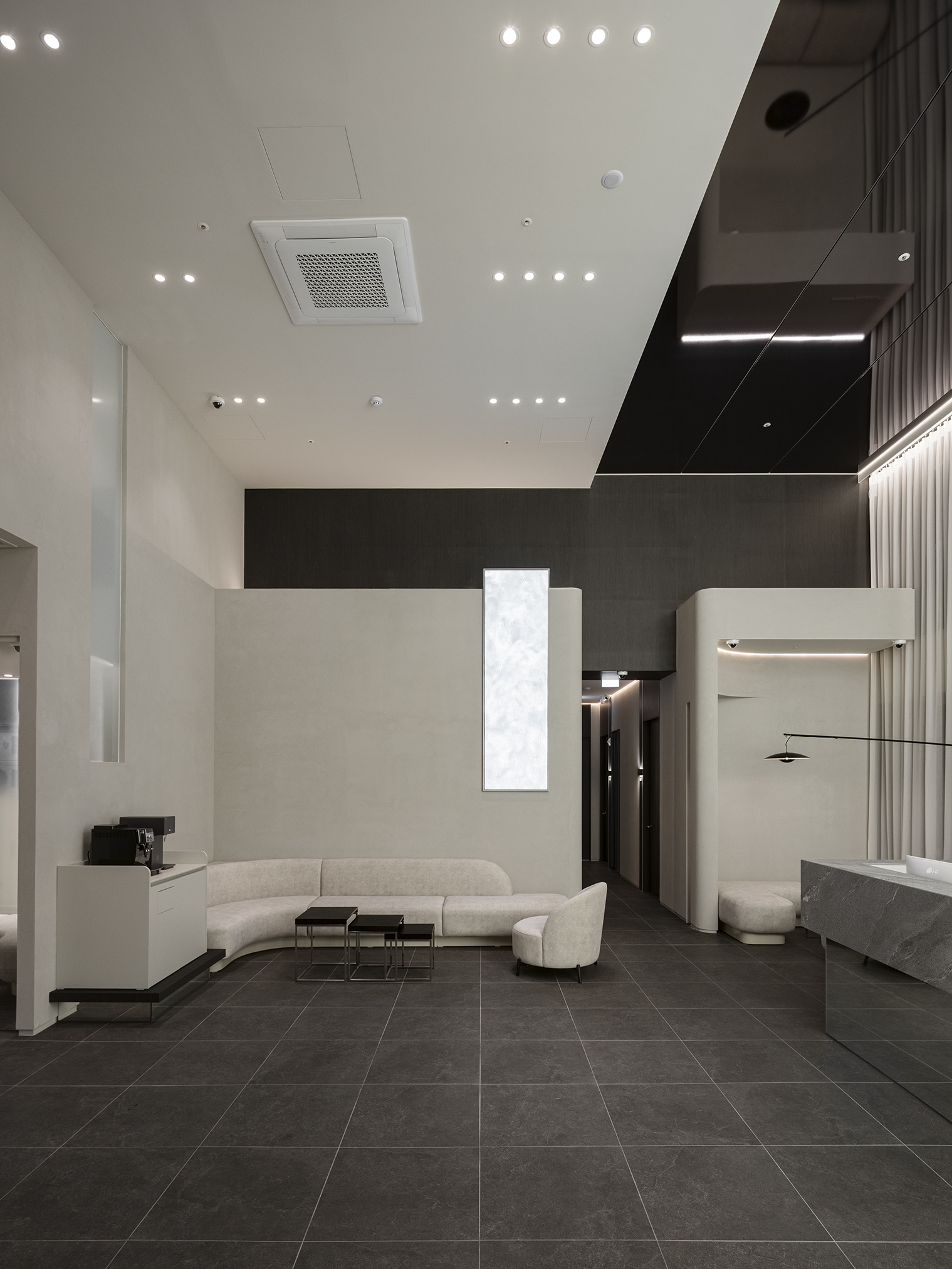
This strategy moves beyond single-device treatments, focusing instead on how different energy sources can work together to restore facial volume and skin tightness. At LUNN, we focus on the subtle balance between structural lifting and surface rejuvenation to achieve a naturally refreshed appearance that respects your unique anatomy.
Understanding the Korean Non-Surgical Lifting Synergy Program
A Korean non-surgical lifting synergy program is defined as a multi-modal therapeutic protocol that targets the epidermis, dermis, and the superficial muscular aponeurotic system (SMAS) simultaneously. Unlike traditional methods that might only focus on the skin surface, these programs utilize a layered approach to ensure that each tissue depth receives the appropriate level of thermal or mechanical energy. The protocol at LUNN integrates these layers to create a cohesive result that addresses both sagging and texture concerns in a single treatment cycle, rather than addressing them in isolation.
The Importance of Multi-Layered Targeting for Harmony
To achieve true facial harmony, a treatment must address the three-dimensional nature of aging rather than just smoothing out individual wrinkles. Facial aging involves the depletion of collagen in the dermis, the weakening of structural ligaments, and the redistribution of subcutaneous fat. By utilizing a synergy program, clinicians can deliver High-Intensity Focused Ultrasound (HIFU) to the deep structural layers while simultaneously applying Radiofrequency (RF) to the mid-dermis. This dual-action approach ensures that the foundation of the face is lifted while the skin envelope is tightened. As practiced at LUNN, the shift toward multi-layered targeting allows for a more comprehensive improvement in facial contours. Expert assessment indicates that targeting the SMAS layer for structural lifting and the dermal layers for tightening can significantly enhance overall aesthetic outcomes. This method prevents the unnatural look often associated with over-treating a single layer of tissue, ensuring that the results appear balanced and harmonious with the patient's natural features.
The Strategic Shift Toward Customized Lifting Protocols
The evolution of aesthetic medicine has led to a significant shift from standardized, one-size-fits-all treatments to highly customized combinations tailored to individual aging patterns. In the past, many patients received the same number of shots or pulses regardless of their specific skin thickness or fat distribution. Today, advanced synergy programs analyze the resistance of the tissue and the degree of laxity before selecting a specific device sequence. This personalized strategy is essential because a person with thin skin requires a different energy density than someone with thicker subcutaneous layers. Experts at LUNN emphasize that customization is the key to avoiding complications like excessive volume loss or inadequate lifting. By adjusting parameters such as energy intensity and targeting specific tissue layers based on real-time feedback, practitioners can maximize the biological response of the skin. This individualized approach reflects the sophisticated standard of care in Seoul, moving away from repetitive procedures toward high-precision aesthetic interventions that prioritize long-term skin health and natural rejuvenation.
Key Components of Effective Lifting Synergies
The core components of an effective synergy program consist of energy-based devices that stimulate the body's natural healing processes to produce new collagen and elastin fibers. These components typically include ultrasound technology for deep tissue manipulation and radiofrequency technology for dermal remodeling. When these tools are used in tandem, they create a synergistic effect where the total result is greater than the sum of the individual treatments. Practitioners at LUNN select these components based on their ability to reach specific anatomical milestones, ensuring that the energy is delivered precisely where it is needed most to support the facial structure.
Utilizing HIFU and RF for Deep Tissue and Surface Renewal
High-Intensity Focused Ultrasound technology serves as the foundational pillar of the synergy program by delivering concentrated energy to the deep tissue layers. This energy generates thermal coagulation points which trigger a contraction in the deep fascia (SMAS). Meanwhile, Radiofrequency technology focuses on the upper and mid-dermal layers, using heat to denature old collagen fibers and stimulate the production of new ones. The combination of these two technologies addresses both the structural support and the skin's surface quality. A Specialist's 2026 Guide to Ultherapy Prime Skin Tightening: Achieving Facial Harmony at LUNN further explains how these layers impact results. By layering these energies, clinicians can achieve a more robust tightening effect. The duration of these results varies depending on the individual's skin condition, metabolic rate, and lifestyle factors. This dual-layer heating protocol is highly effective for patients looking to improve jawline definition while simultaneously refining the texture and elasticity of their skin without resorting to surgical measures.
The Role of Volumizing Agents in Structural Support
Beyond energy-based devices, the integration of volumizing agents plays a crucial role in providing the structural support necessary for a complete lifting effect. While lasers and ultrasound can tighten existing tissues, they cannot always replace the volume lost due to aging fat pads or bone resorption. Volumizers, such as collagen stimulators or hyaluronic acid, are used strategically to fill hollow areas and lift sagging skin from within. This component of the synergy program acts like the internal frame of a building, providing the necessary lift for the tightened skin to rest upon. Specialists at LUNN carefully place these agents in areas like the mid-face or temples to restore youthful proportions. When combined with energy-based lifting, these agents enhance the overall projection and contour of the face. This combination is particularly beneficial for individuals who have experienced significant volume depletion. By addressing both tissue laxity and volume loss, the synergy program provides a more holistic solution for facial rejuvenation, ensuring that the results are both visible and durable over time.
Comparison of Popular Lifting Modalities in Cheongdam
Selecting the right modality involves comparing different energy sources and their specific interactions with human tissue to determine the most effective synergy combination. In the high-end clinics of Cheongdam, practitioners often compare High-Intensity Focused Ultrasound, Monopolar Radiofrequency, and Microwave technology to find the best fit for a patient's needs. Each modality has a distinct profile in terms of target layers and recovery time. At LUNN, we utilize these comparative insights to design protocols that minimize discomfort while maximizing the aesthetic impact for each individual case.
| Modality | Technology | Target Depth/Layers | Primary Objective |
|---|---|---|---|
| Ultherapy | HIFU | SMAS & Dermis | Structural Lifting & Fascia Contraction |
| Thermage FLX | Monopolar RF | Dermis | Collagen Density & Texture Refinement |
| ONDA | Microwaves | Subcutaneous fat & Dermis | Volume Reduction & Contour Smoothing |
| Volumizers | Biostimulators | Varies by layer | Structural Support & Volume Restoration |
Choosing the Right Combination for Specific Aging Patterns
The choice of synergy combination is heavily dependent on the specific aging pattern observed in the patient, whether it be sagging skin, fine lines, or fat redistribution. For example, a patient primarily concerned with a heavy jawline may benefit more from a combination of HIFU and microwave technology to both lift the tissue and reduce localized fat deposits. Conversely, someone with thin, crepey skin might see better results from combining Radiofrequency with collagen-stimulating injections. Understanding these nuances is a hallmark of the expertise at LUNN, where each plan is tailored to the patient's unique anatomical resistance. A Specialist's 2026 Guide to Cheongdam-dong Dermatology: Achieving Harmony at LUNN offers additional context on how location-specific expertise influences these choices. By carefully selecting the modality that matches the tissue type, clinicians can achieve more predictable and satisfying outcomes. This strategic selection process ensures that the energy is not wasted on layers that do not require treatment, thereby reducing the risk of side effects and improving efficiency.
Safety Protocols and Individual Considerations
Safety protocols in non-surgical lifting involve a rigorous assessment of the patient's skin health and medical history to minimize the risk of adverse reactions. While these procedures are non-invasive, they still involve the delivery of significant thermal energy to the skin's deeper structures. Therefore, ensuring the patient is a suitable candidate is the first and most important step in any synergy program. Clinicians at LUNN adhere to strict safety standards, monitoring the skin's response throughout the procedure to prevent complications such as thermal burns or nerve irritation, which are rare but possible.
Managing Side Effects and Anatomical Resistance
Potential side effects of non-surgical lifting programs, such as temporary swelling, redness, mild bruising, or temporary pigmentation, are generally short-lived but must be managed with professional care. In rare cases, infection or recurrence of the condition may occur. These symptoms typically subside within a few days as the skin begins its natural healing process. However, individual anatomical resistance can vary, meaning that some patients may experience more sensitivity than others. It is important to disclose all medical conditions and previous treatments during the consultation to ensure a safe experience. Expertise at LUNN focuses on the 1mm difference in aesthetic harmony, as precise placement of energy is essential for avoiding unintended fat loss or superficial skin damage. While the procedures are designed to be safe, results are not typical for every individual and can vary based on skin condition and lifestyle factors. Multiple treatments may be necessary to achieve desired outcomes. By following post-treatment care instructions, patients can support the recovery process and enhance the longevity of their lifting results.
Frequently Asked Questions
Q. What exactly is a non-surgical lifting synergy program?
It is a customized treatment protocol that combines multiple medical devices and procedures, such as HIFU and RF, to target different layers of the skin—including the SMAS, dermis, and epidermis—simultaneously for a more comprehensive lifting effect.
Q. How long do the results of a synergy program typically last?
Duration varies depending on individual skin condition, lifestyle, and the specific technologies used. Maintenance sessions are often recommended by specialists to sustain the results over a longer period as the aging process continues naturally.
Q. Is there significant downtime after the procedure?
Most non-surgical synergy programs allow for a quick return to daily activities. Some patients may experience mild redness, swelling, or temporary pigmentation, but these symptoms typically subside within a few days.
Q. Are these treatments painful for most patients?
Pain levels vary depending on the specific devices used and individual sensitivity. We utilize various numbing techniques, such as topical creams or cooling systems, to ensure the process is as comfortable as possible for each patient.
Q. Can I combine lifting treatments with other skin procedures?
Yes, synergy programs can be designed to work alongside other treatments like skin boosters. However, a professional consultation is required to determine safe intervals and the proper sequence to ensure optimal safety and results.
Q. Who is the ideal candidate for a lifting synergy program?
Individuals noticing early signs of sagging, loss of elasticity, or blurred jawlines who prefer non-invasive methods are generally excellent candidates. It is most effective for those with mild to moderate skin laxity seeking natural improvement.
Q. Why is a customized approach better than a standard treatment?
Every face has different fat distribution and skin thickness. A one-size-fits-all approach can lead to unnatural results, whereas a synergy program at LUNN tailors the energy delivery to your specific anatomy for a more harmonious outcome.
Key Takeaways
- Multi-Layered Approach: Synergy programs target the SMAS, dermis, and epidermis for a comprehensive lift.
- Customization is Essential: Tailoring energy delivery to individual skin thickness prevents unintended volume loss and ensures natural results.
- Technology Combination: Combining HIFU and RF provides both structural support and surface rejuvenation.
- Safety First: A professional assessment of anatomical resistance is vital to minimize side effects like redness, swelling, or pigmentation.
Refining the Details. Achieving Perfect Harmony.
LUNN / Dr. Hyung-kwon Park For more clinical insights, follow @dr.lunn on Threads.
FAQ
- What exactly is a non-surgical lifting synergy program?
- It is a customized treatment protocol that combines multiple medical devices and procedures, such as HIFU and RF, to target different layers of the skin simultaneously for a more comprehensive lifting effect. This multi-layered approach allows for better structural support compared to using a single technology alone.
- How long do the results of a synergy program typically last?
- While individual results vary based on skin condition and lifestyle, many patients observe improvements lasting from 6 to 12 months. Maintenance sessions are often recommended by specialists to sustain the lifting effect over a longer period.
- Is there significant downtime after the procedure?
- Most non-surgical synergy programs allow for a quick return to daily activities without a long recovery period. Some patients may experience mild redness or slight swelling immediately after the session, but these symptoms typically subside within a few days.
- Are these treatments painful for most patients?
- Pain levels vary depending on the specific devices used and individual sensitivity to heat or pressure. We utilize various numbing techniques, such as topical creams or cooling systems, to ensure the process is as comfortable as possible for each patient.
- Can I combine lifting treatments with other skin procedures?
- Yes, synergy programs are often designed to work alongside other treatments like skin boosters or micro-needling. However, a professional consultation is required to determine the safe intervals and proper sequence between different procedures to ensure optimal safety.
- Who is the ideal candidate for a lifting synergy program?
- Individuals noticing early signs of sagging, loss of elasticity, or blurred jawlines who prefer non-invasive methods over surgery are generally excellent candidates. It is most effective for those with mild to moderate skin laxity seeking natural improvement.
- Why is a customized approach better than a standard treatment?
- Every face has different fat distribution and skin thickness, which affects how energy is absorbed. A one-size-fits-all approach can lead to unnatural results or hollowed areas, whereas a synergy program at lunnclinic tailors the energy depth to your specific anatomy for a more harmonious outcome.