
Post
A Specialist's 2026 Guide to Korean Medical Skin Texture Refinement: Achieving Facial Harmony at LUNN
Hello, I am Dr. Hyung-kwon Park, a board-certified dermatologist in Cheongdam and Apgujeong Rodeo. Welcome to the latest guide to dermatological care. Korean medical skin texture refinement is a specialized field where I focus on restoring the skin's surface smoothness and luminous quality through evidence-based medical interventions. This guide provides a professional overview of how these treatments contribute to overall facial harmony. By combining advanced energy devices, lasers, and skin boosters, we aim to address individual concerns with clinical precision.
Understanding Korean Medical Skin Texture Refinement
Skin texture refinement refers to the tactile quality and visual smoothness of the skin surface, influenced by pore size, hydration levels, and collagen density. Medical skin texture refinement involves specialized dermatological interventions to address irregularities like enlarged pores, fine lines, and uneven surface topography through targeted dermal remodeling. This professional approach prioritizes long-term skin health over temporary aesthetic fixes.
Defining Skin Texture and the Role of Medical Aesthetics
Medical-grade skin texture refinement represents the intersection of anatomical science and aesthetic artistry. At LUNN, I define skin texture not just by the surface layer but by the health of the underlying dermal matrix. Factors such as environmental stress, aging, and collagen depletion can lead to visible irregularities including enlarged pores and fine lines. By utilizing advanced diagnostic tools, I evaluate the depth of these concerns to provide a clinical pathway for restoration. This approach differs from standard facials because it focuses on cellular regeneration rather than superficial cleansing. I emphasize that achieving a smooth appearance is a multi-layered process requiring precision and medical oversight. While most patients observe a gradual improvement in luminosity, the timeline for structural change is individualized and typically requires multiple sessions. It is important to remember that individual skin types react differently to treatments, making personalized consultation the foundation of every successful texture refinement program. For more information, please see our guide on A Specialist's 2026 Guide to Korean Medical Grade Skin Care: Refining the Details for Facial Harmony.
The Core Science of Dermal Rejuvenation
The science of dermal rejuvenation focuses on stimulating the fibroblasts responsible for producing collagen and elastin. As we age, the skin's natural ability to repair itself diminishes, leading to a loss of elasticity and a rougher surface texture. Medical interventions aim to restart this repair process through controlled micro-injuries or thermal stimulation. By targeting the papillary dermis, I can encourage the growth of new, organized collagen fibers that fill in micro-depressions and tighten the skin's overall structure. This process is highly dependent on the body's biological response, which is why treatments are often spaced several weeks apart. Clinical studies indicate that consistent stimulation leads to more durable improvements in skin density and smoothness. Patients must understand that dermal health is a dynamic state influenced by both clinical care and lifestyle choices. I focus on providing the biological triggers necessary for the skin to heal itself from within, resulting in a more refined and youthful surface that appears natural and healthy under any lighting conditions.
Why Surface Smoothing Requires Deep Tissue Integrity
Surface smoothing is often misperceived as a purely superficial process, but true refinement requires deep tissue integrity. The outermost layer of the skin, the epidermis, relies on the structural support of the underlying dermis to remain smooth and taut. If the dermal layer is weakened or lacks sufficient hydration, the surface will inevitably show signs of texture irregularities regardless of topical applications. Therefore, medical-grade refinement focuses on strengthening the skin's foundation. By improving the volume and density of the deeper layers, I provide the necessary tension to smooth out surface crinkles and minimize the appearance of pores. This holistic approach ensures that the results are not just visible but also physically resilient. I utilize a combination of energy-based devices and bio-stimulators to address these multiple layers simultaneously. While surface-level treatments can provide immediate gratification, deep tissue remodeling is essential for sustainable and harmonious results. Patients are encouraged to view their skin as a three-dimensional structure where health at the base translates to beauty at the surface. This perspective is vital for those seeking genuine and lasting improvements in their skin's tactile quality.
Comparison of Non-Invasive Skin Tightening and Refinement Technologies
Comparison of technologies refers to the systematic evaluation of different energy-based devices and injectable treatments used to improve skin quality. This process helps determine which modality, whether it be lasers or skin boosters, aligns best with a patient's specific anatomical needs and aesthetic goals. Understanding these differences is crucial for selecting a protocol that balances efficacy with safety.
| Feature | Laser Therapy | Skin Booster Injections | Energy-Based Devices |
|---|---|---|---|
| Primary Goal | Surface Resurfacing | Deep Hydration | Structural Tightening |
| Typical Sessions | Varies by Individual | Individualized | Tailored to Needs |
| Recovery Time | 3-7 Days | 1-2 Days | Minimal |
| Primary Layer | Epidermis/Dermis | Deep Dermis | SMAS/Deep Dermis |
Energy-Based Devices vs. Skin Booster Injections
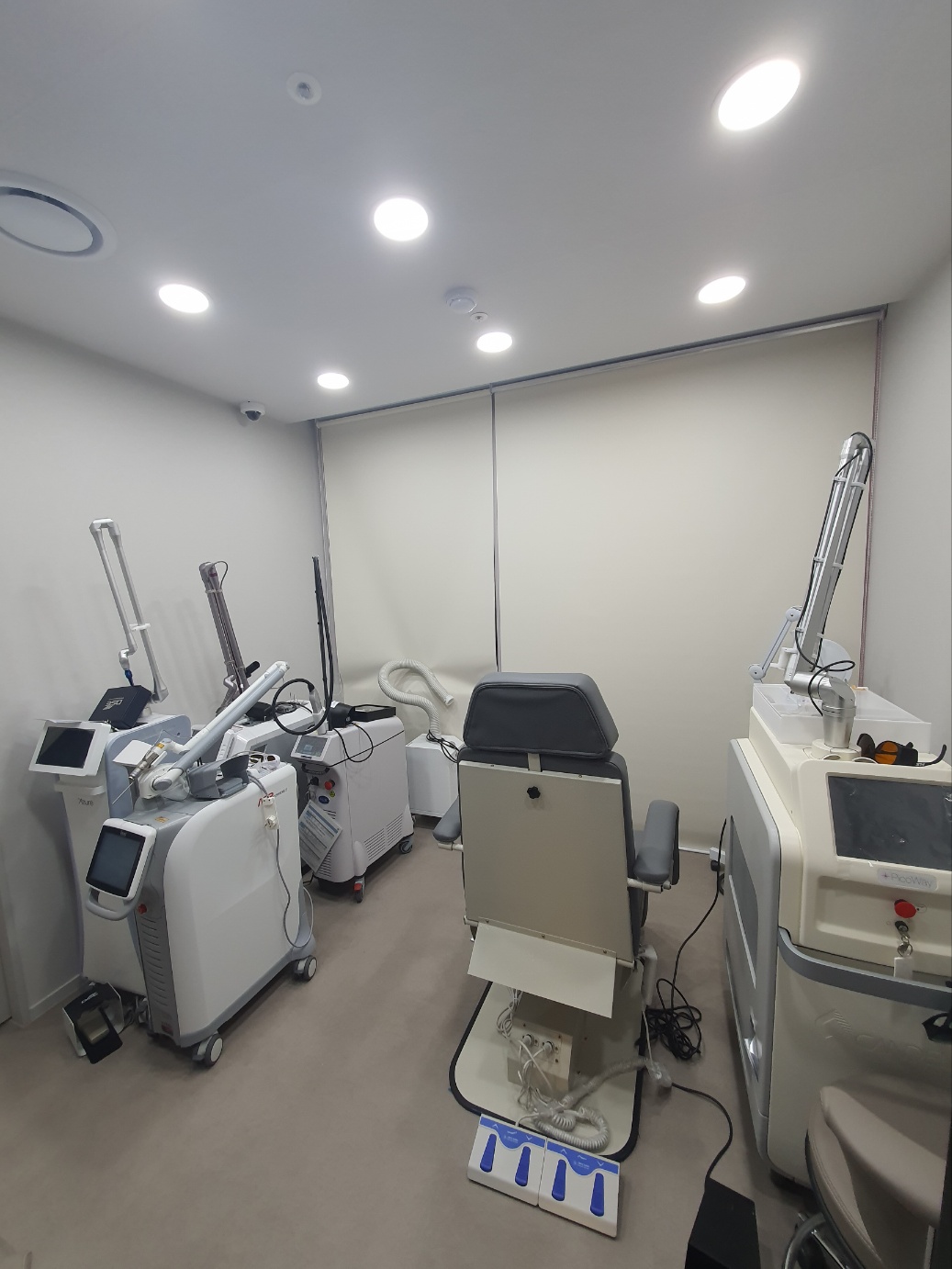
Selecting the right technology for skin refinement requires an understanding of how different modalities interact with the dermal architecture. Energy-based devices, such as Thermage or Ultherapy, typically utilize radiofrequency or ultrasound to stimulate collagen production through controlled thermal zones. These devices are particularly effective for addressing structural laxity and deep-seated texture issues. On the other hand, skin booster injections deliver vital nutrients directly into the dermal layer to provide immediate hydration and improve surface luminosity. At LUNN, I often observe that a combination of these approaches yields the most balanced results for patients seeking comprehensive rejuvenation. While energy devices focus on the framework, boosters address the micro-details of the skin surface. Patients should be aware that results are not instantaneous and typically manifest as the skin undergoes its natural healing cycle over multiple sessions. I ensure that every patient receives a tailored protocol that accounts for their specific skin thickness and sensitivity to maximize comfort. Each method has specific advantages, and the choice depends largely on the patient's individual skin baseline and recovery preferences.
Comparing Modern Laser Technologies with Traditional Fractionated Therapies
The evolution of laser technology has introduced sophisticated tools that offer a different profile compared to traditional fractionated therapies. While conventional fractionated lasers are effective, modern refinement technologies focus on managing the patient's recovery period through precise energy control. These modern systems aim to achieve collagen stimulation while minimizing unnecessary thermal damage to the surrounding tissue. This evolution allows for a more targeted approach to treating enlarged pores and acne scarring without the prolonged recovery periods associated with older systems. Data suggests that patients undergoing these updated protocols report higher satisfaction levels due to the manageable post-procedure care. However, it is essential to recognize that even advanced lasers carry risks such as temporary redness, mild swelling, or pigmentary changes. I carefully monitor the skin's reaction during the procedure to adjust energy levels in real-time. This meticulous oversight helps in achieving the desired smoothing effect while maintaining the overall health and integrity of the epidermis. By minimizing thermal diffusion, we can focus the energy exactly where it is needed for optimal texture improvement.
Determining the Optimal Treatment Table for Different Skin Types
Determining the optimal treatment table for different skin types is a critical step in professional dermatology. Not every skin texture concern can be addressed with the same device or intensity setting. For example, individuals with thinner skin may require lower energy settings to avoid irritation, whereas those with thicker, more resilient skin might benefit from more intensive remodeling. A standard protocol usually involves multiple sessions spaced approximately four weeks apart to allow for proper cellular turnover, though the exact number is determined after a physical examination. At LUNN, I utilize diagnostic analysis to map the skin’s unique topography before starting any procedure. This evidence-based approach ensures that the treatment depth is precisely calibrated to the patient's anatomical needs. While the goal is always a smoother and more refined appearance, we remain transparent about the fact that results can vary based on lifestyle factors and age. Consistency in following the recommended schedule is key to achieving the most sustainable and visually harmonious improvements for long-term skin health. I adjust my clinical parameters dynamically based on how the skin responds to the initial sessions, ensuring a safe and effective progression toward the final aesthetic goal. Please note that individual results may vary and multiple sessions are typically required.
Dermatologist-Led Facial Design for Harmony and Texture
Dermatologist-led facial design is a comprehensive aesthetic strategy that prioritizes the balance between facial proportions and skin health. At LUNN, this involves my 1mm philosophy where even the smallest adjustments in skin tension and volume are calculated to produce a naturally harmonious result. This method ensures that skin refinement complements the underlying bone and muscle structure.
The 1mm Philosophy in Customized Skin Care Programs
The 1mm philosophy at LUNN represents my commitment to the smallest details that define facial harmony. In the realm of skin texture refinement, a difference of just one millimeter in treatment depth or positioning can significantly alter the final aesthetic outcome. I believe that true beauty lies in the subtle balance between different facial features and the smoothness of the skin that connects them. By focusing on these minute details, we can address specific texture concerns like fine lines around the eyes or micro-roughness on the cheeks without creating an artificial look. Our approach is grounded in a deep understanding of facial anatomy and how the skin moves during expression. I carefully design each program to ensure that the refinement process enhances the patient's natural features rather than masking them. While the procedure aims for refinement, we emphasize that the primary goal is a natural and healthy glow that reflects the internal vitality of the skin tissue. Achieving this level of precision requires a combination of clinical expertise and an artistic eye for proportion and balance.
Facial Volume Restoration for Natural Texture Improvement
Facial volume restoration plays a surprisingly significant role in the perception of skin texture. When the underlying tissue loses volume due to aging or weight loss, the skin can appear sagging or crinkled, creating a rough texture that surface treatments alone might not fully resolve. By strategically replenishing volume using biocompatible materials, I can provide the necessary tension to smooth the surface naturally. This creates a dual-action effect where the skin is refined from both the inside and the outside. In our clinical experience, patients who combine volume restoration with surface treatments often see a more cohesive improvement in their overall facial contour. However, this requires a specialist's eye to ensure that the volume is distributed evenly to maintain a natural appearance. As with all injectable treatments, there is a possibility of temporary bruising or swelling at the injection sites. I prioritize a conservative approach, ensuring that the results remain subtle and in perfect harmony with the rest of the face. Proper volume placement acts as a foundation, allowing surface treatments to perform more effectively and provide a more polished finish.
Navigating Premium Skin Texture Procedures in Seoul
Navigating premium procedures involves understanding the clinical environment and safety standards of high-end dermatology practices in regions like Apgujeong Rodeo. This includes evaluating the protocols for post-treatment care and understanding the specific requirements for international patients seeking advanced skin treatments in Seoul. A professional clinic ensures a seamless journey from the initial consultation to final recovery.
What to Expect at an Apgujeong Rodeo Dermatology Clinic
Visiting an Apgujeong Rodeo dermatology clinic offers an experience that blends medical excellence with a premium service environment. This district in Seoul is internationally recognized as a hub for advanced aesthetic procedures. At LUNN, I provide a sophisticated setting where patients can feel comfortable while receiving high-level medical care. The process begins with a comprehensive consultation to identify the specific needs of each individual. Our international patients often appreciate the streamlined protocols that allow for efficient treatment without compromising on safety or quality. I maintain a focus on sustainable beauty, ensuring that the treatments provided contribute to long-term skin health rather than just temporary fixes. The clinic’s atmosphere is designed to be calming, helping to reduce any anxiety associated with medical procedures. By combining a luxurious environment with rigorous clinical standards, I aim to provide a refined experience that meets the high expectations of my local and international clientele. Explore our A Specialist's 2026 Guide to Professional Skin Regeneration Therapy: Achieving Precision Facial Harmony for more insights into our regeneration protocols.
Safety Protocols and Potential Side Effects of Advanced Lasers
Ensuring patient safety is our highest priority when performing skin texture refinement procedures. While modern energy-based devices are designed with safety in mind, all medical interventions carry inherent risks that must be managed. Common side effects include temporary redness, mild swelling, and a sensation similar to a light sunburn, which typically resolve within a few days. More significant complications, such as post-inflammatory hyperpigmentation or infection, are rare but possible if post-care instructions are not strictly followed. At LUNN, I employ rigorous sterilization protocols and use only regulated medical-grade equipment to minimize these risks. I also conduct thorough pre-treatment screenings to identify any contraindications, such as active skin infections. During the procedure, our medical staff provides constant monitoring to ensure the patient's comfort and safety. I believe that an informed patient is a safer patient, which is why I provide detailed explanations of all potential outcomes and the steps I take to mitigate them. Every treatment is performed with a commitment to maintaining the highest standards of medical ethics and clinical care.
Essential Post-Procedure Care for Long-Lasting Smoothness
The longevity of skin texture refinement results depends heavily on the quality of post-procedure care provided by the patient. Immediately following a treatment, the skin is in a heightened state of sensitivity and requires gentle handling to ensure optimal healing during the first 48 hours. I recommend using gentle moisturizers and high-SPF sun protection to shield the newly treated skin from environmental damage. Avoiding intense heat, such as saunas or heavy exercise, for the first few days is also essential to prevent excessive swelling. At LUNN, I provide each patient with a customized aftercare kit and detailed instructions tailored to their specific procedure. Regular follow-up appointments allow us to monitor the healing process and make any necessary adjustments to the skincare regimen. Maintaining a consistent routine of hydration and sun protection will help preserve the smoothing effects. By treating the post-procedure phase with the same level of care as the treatment itself, patients can ensure their skin remains refined and healthy. Sustainable results are achieved when clinical expertise is matched by patient diligence in daily skincare.
Frequently Asked Questions
Q. What is Korean medical skin texture refinement?
It refers to a professional medical approach using lasers, skin boosters, and energy devices to smooth skin surface irregularities and improve overall luminosity. This method targets the deeper layers of the skin to ensure that surface improvements are supported by a healthy dermal foundation. At LUNN, I utilize these technologies to create a customized plan for each patient.
Q. How many sessions are typically required for noticeable results?
While individual results vary, most patients observe improvements after multiple sessions, depending on the specific technology used and the initial skin condition. The exact frequency is determined after a specialist's diagnosis. I adjust the plan based on how your skin responds to the initial treatments. Please note that individual results may vary.
Q. Are there any side effects to skin texture refinement treatments?
Possible side effects include temporary redness, swelling, or mild bruising, which typically resolve within a few days. Rare complications like pigmentation changes can occur, which is why a consultation with a dermatologist is necessary to assess your skin type. Our team provides comprehensive post-care instructions to minimize these risks.
Q. Is there significant downtime after these procedures?
Most modern non-invasive technologies allow for a quick return to daily activities, though some treatments may require a few days of recovery. For instance, some lasers may cause redness for 3 to 7 days. I provide detailed information on what to expect so you can plan your schedule accordingly following the procedure.
Q. How does a customized skin care program differ from standard facials?
Medical programs are led by dermatologists who address deep dermal layers, whereas standard facials typically focus only on the outermost layer. Medical-grade treatments utilize regulated equipment and bio-stimulators that can influence the structural health of the skin, leading to more significant improvements in texture compared to superficial treatments.
Q. Can skin texture treatments help with double chin reduction?
Yes, non-invasive tightening technologies often improve both the skin texture and the structural firmness of the jawline. By stimulating collagen in the SMAS layer and the dermis, I can provide a lifting effect that refines the lower face. This is often combined with other contouring treatments for a more comprehensive result in facial harmony.
Q. Is it safe for international tourists to receive these treatments in Seoul?
Seoul is a global hub for medical aesthetics, and at LUNN, I provide professional care tailored to international standards. It is important to factor in follow-up care and recovery time before traveling back. I offer detailed consultations to ensure that the chosen treatment fits within your travel itinerary while prioritizing your safety and results.
Key Takeaways
- Skin texture refinement involves a multi-layered approach targeting both the surface epidermis and the deep dermal matrix for natural results.
- Technological options include lasers, skin boosters, and energy-based devices, which are selected based on individual skin thickness and sensitivity.
- Facial harmony is achieved through a dermatologist-led design that considers the 1mm philosophy and structural integrity.
- Consistent post-procedure care, including sun protection and hydration, is essential for maintaining the longevity of treatment outcomes.
- A professional consultation at LUNN ensures that all procedures are performed with a focus on safety, evidence-based science, and personalized needs.
If you are interested in exploring how to refine your skin's texture for a more harmonious appearance, we invite you to consult with our specialists. You can also follow our insights on Threads @dr.lunn for more aesthetic tips.
LUNN / Dr. Hyung-kwon Park
FAQ
- What is Korean medical skin texture refinement?
- It refers to a professional medical approach using lasers, skin boosters, and energy devices to smooth skin surface irregularities, minimize pores, and improve overall luminosity. This method targets the deeper layers of the skin to ensure that surface improvements are supported by a healthy dermal foundation. At lunnclinic, we utilize these technologies to create a customized plan for each patient.
- How many sessions are typically required for noticeable results?
- While individual results vary, most patients observe improvements after 3 to 5 sessions, depending on the specific technology used and the initial skin condition. Some energy-based devices may require fewer sessions, while skin boosters often show better results after a series of three treatments spaced four weeks apart. We adjust the number of sessions based on how your skin responds to the initial treatments.
- Are there any side effects to skin texture refinement treatments?
- Possible side effects include temporary redness, swelling, or mild bruising, which typically resolve within a few days. Rare complications like pigmentation changes can occur, which is why a consultation with a dermatologist is necessary to assess your skin type and medical history. Our team provides comprehensive post-care instructions to minimize these risks and ensure a safe recovery.
- Is there significant downtime after these procedures?
- Most modern non-invasive technologies allow for a quick return to daily activities, though some laser treatments may require a few days of recovery for the skin to heal. For instance, some fractionated lasers may cause redness for 3 to 7 days. We provide detailed information on what to expect so you can plan your schedule accordingly following the procedure.
- How does a customized skin care program differ from standard facials?
- Medical programs are led by dermatologists who use diagnostic tools to address deep dermal layers, whereas standard facials typically focus only on the outermost layer of the skin. Medical-grade treatments utilize regulated equipment and bio-stimulators that can change the structural health of the skin. This leads to more significant and long-lasting improvements in texture and tone compared to superficial treatments.
- Can skin texture treatments help with double chin reduction?
- Yes, non-invasive tightening technologies often improve both the skin texture and the structural firmness of the jawline, reducing the appearance of a double chin. By stimulating collagen in the SMAS layer and the dermis, we can provide a lifting effect that refines the lower face. This is often combined with other contouring treatments for a more comprehensive result in facial harmony.
- Is it safe for international tourists to receive these treatments in Seoul?
- Seoul is a global hub for medical aesthetics, and clinics like lunnclinic provide professional care tailored to international standards. It is important to factor in follow-up care and recovery time before traveling back to your home country. We offer detailed consultations to ensure that the chosen treatment fits within your travel itinerary while prioritizing your safety and results.