
Post
Korean Medical Aesthetic Clinic for Tourists: A Professional Guide to 2026 Rejuvenation
Hello, I am Dr. Hyung-kwon Park, a board-certified dermatology specialist. At Lunn Dermatology Clinic, I personally handle every aspect of patient care—from the initial consultation to the final procedure—to provide evidence-based care in the heart of Cheongdam. A Korean medical aesthetic clinic for tourists represents a specialized healthcare facility designed to provide high-end dermatological treatments tailored to international visitors in 2026. This article offers a comprehensive professional guide to navigating the Seoul aesthetic landscape, ensuring you receive safe and personalized care during your visit. As a specialist, I believe in addressing the subtle 1mm differences that define an individual's appearance while maintaining structural harmony, following our philosophy of Luminary, Ultimate, Novelty, and Nobility.
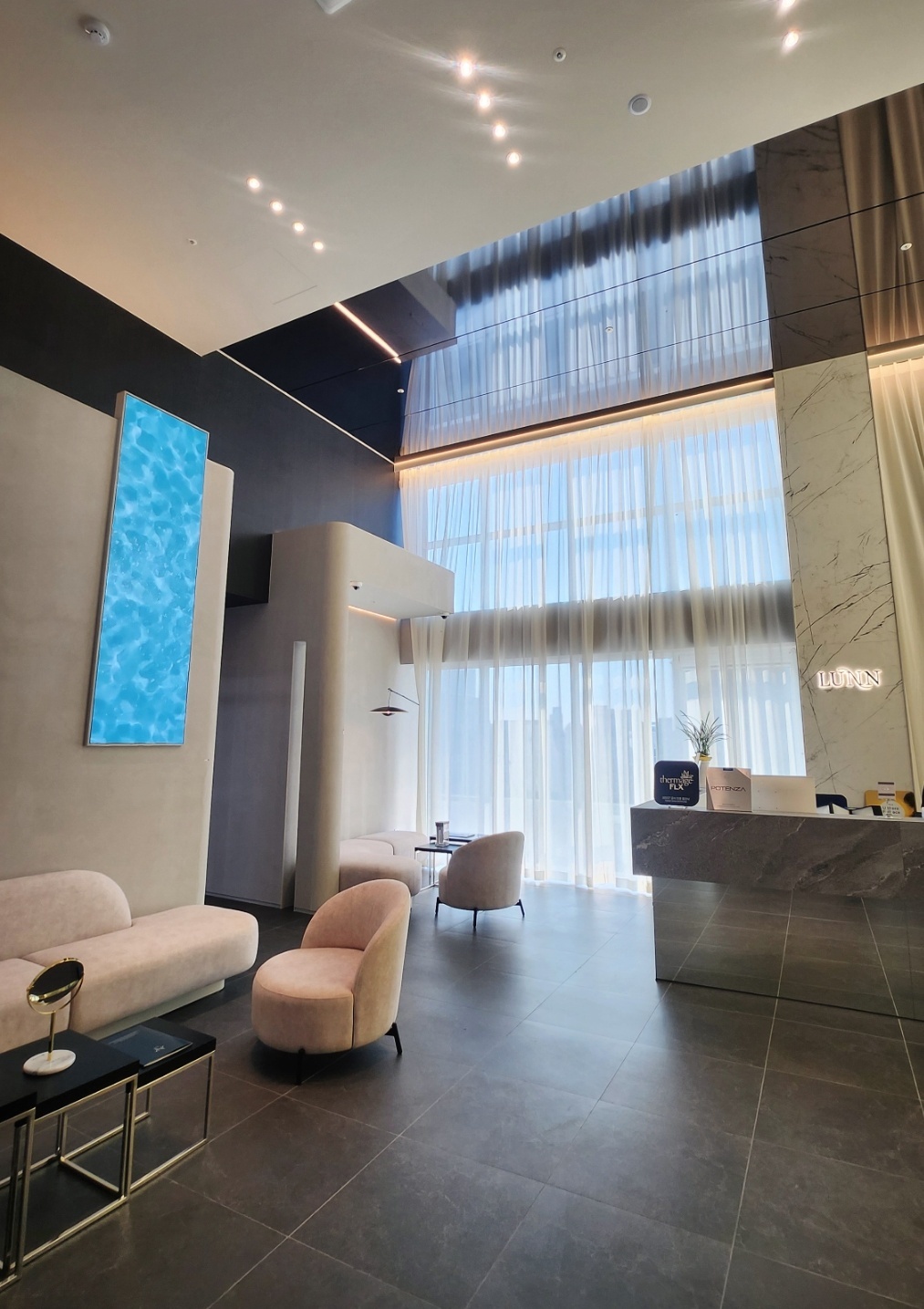
Navigating the Korean Medical Aesthetic Clinic Landscape for Tourists
A Korean medical aesthetic clinic for tourists is defined as a specialized medical facility that combines world-class dermatological expertise with hospitality services tailored for international visitors. This environment requires a high level of transparency and professional ethics to ensure that patients from abroad receive the same quality of care as domestic patients while accounting for their unique travel timelines.
Identifying Licensed Dermatology Specialists in Seoul
In the context of the South Korean healthcare system, a dermatology specialist is a physician who has completed a specific 4-year residency program after finishing 6 years of medical school. This rigorous training ensures that the practitioner possesses a deep understanding of the three layers of the skin, which is critical for performing safe and effective medical aesthetic procedures. Many international visitors are unaware that only a small fraction of medical doctors in Korea are certified dermatology specialists. Choosing a clinic led by a specialist like myself at Lunn Dermatology Clinic provides an added layer of safety, as I am trained to handle complex dermatological issues and potential complications that may arise during treatment. Verified specialists often display their certification prominently to distinguish themselves from general practitioners who may operate aesthetic centers without the same level of specialized training. Researching these credentials on official government platforms is a recommended step for any tourist planning a visit in 2026.
Boutique Specialized Care vs. Factory-Style Clinics
Distinguishing between boutique specialized care and factory-style clinics is essential for tourists seeking a personalized aesthetic experience in Seoul. Boutique clinics, such as Lunn Dermatology Clinic, prioritize individualized treatment plans where I, as the specialist, oversee every step of the process. In contrast, factory-style clinics often operate on a high-volume model, seeing dozens of patients per hour and frequently utilizing different staff members for consultation and actual procedures. While these larger centers may offer lower prices, the lack of continuity can lead to standardized results that do not account for unique facial structures. At a boutique clinic, the focus is on achieving natural harmony by addressing the subtle 1mm differences that define an individual's appearance. For international patients visiting in 2026, the preference for customized care often outweighs the appeal of mass-produced treatments, as bespoke sessions typically result in higher satisfaction and more durable outcomes based on years of clinical experience.
Safety Standards and Government Certification
Understanding the safety standards and government certification for international patients is a fundamental part of selecting a Korean medical aesthetic clinic. The South Korean government, through the Ministry of Health and Welfare, requires clinics treating foreign tourists to be officially registered for medical tourism. This certification process involves regular inspections of hygiene protocols, emergency equipment, and the presence of professional translation services. At Lunn Dermatology Clinic, we adhere to these stringent national standards to ensure a secure environment for every visitor. While many clinics in the Gangnam district hold such certifications, the quality of service varies between them. Patients should look for the official Medical Korea seal or similar government-issued credentials when researching their options for 2026. These certifications verify that the clinic has adequate insurance coverage and follows the key safety protocols mandated by health authorities. Verifying these details helps travelers avoid unlicensed facilities that might bypass essential safety checks and maintain strict adherence to health regulations.
Essential Rejuvenation for Travelers: Skin Boosters and Precision Lasers
Essential rejuvenation treatments for travelers are defined as a curated selection of non-surgical procedures designed to restore skin health and radiance with minimal interference to travel plans. These treatments focus on enhancing the skin's biological functions rather than just modifying surface appearance, which is a key trend for the 2026 aesthetic market.
Skin Booster Injection Seoul: Achieving the Signature Radiance
Skin booster injections are a category of injectable treatments designed to improve skin quality by delivering nutrients, such as hyaluronic acid or polynucleotides, directly into the dermis. In the competitive landscape of Seoul, these procedures have become a staple for tourists seeking the glass skin look within a short timeframe. At Lunn Dermatology Clinic, we emphasize that while these treatments are highly effective for hydration and elasticity, the results are influenced by the patient's underlying skin health. For instance, I often recommend low-hydrophilic fillers to minimize post-treatment swelling, such as the Tyndall effect. Most patients require 2 to 3 sessions spaced 4 weeks apart to achieve optimal radiance, although some improvements may be visible after a single visit. It is important to note that minor side effects, such as small bumps at the injection site or temporary redness, typically subside within 24 to 48 hours. Clinical trends indicate that many international patients include Skin Booster Injection Seoul: Achieving Radiant Harmony at Lunn Dermatology Clinic in their aesthetic itinerary due to the manageable recovery time.
Thermage FLX for Texture and Collagen Correction
Thermage FLX is a specialized dermatological procedure utilized for refining skin texture and correcting laxity through controlled radiofrequency energy. This technology is particularly favored for its ability to target the dermis without causing extensive damage to the surface, making it an excellent option for travelers. Unlike more aggressive lasers that might require weeks of healing, the Thermage system used at Lunn Dermatology Clinic offers a manageable recovery period with almost no downtime. This precision is achieved by delivering uniform heat to the collagen-rich layers of the skin, triggering a natural renewal process. While many clinics offer various laser options, our approach is distinguished by a focus on long-term skin health rather than a temporary surface fix. Patients should be aware that results vary, and maintaining sun protection is highly recommended following the procedure to protect the new collagen fibers. Temporary redness or mild swelling may occur but usually resolves quickly.
Customized Skin Care Programs at Lunn Dermatology Clinic
Developing customized skin care programs requires a deep understanding of how different ethnicities and skin types react to various aesthetic treatments. At Lunn Dermatology Clinic, I recognize that a patient from North America may have different skin concerns and structural needs compared to a visitor from Southeast Asia. Our programs are tailored to address these diversities, focusing on the primary factors of skin health: hydration, elasticity, pigmentation, texture, and volume. By combining different modalities, such as light-based therapies and topical applications, we can create a comprehensive plan that fits into a tourist's 7-day or 14-day visit. Clinical observations show that a significant portion of our international clients prefer these integrated programs over standalone procedures because they offer more balanced and natural-looking rejuvenation. Every plan starts with a detailed 1:1 analysis of the skin's barrier function to minimize the risk of irritation. This scientific approach ensures that each patient receives a treatment protocol that is both safe and effective, though individual results may vary.
Non-Surgical Lifting and Contouring: Structural Harmony and Definition
Non-surgical lifting and contouring is a clinical approach used to enhance facial structure and skin elasticity through the use of ultrasound and injectables. This method avoids the risks associated with surgery while providing improvements in facial definition and volume distribution for patients visiting in 2026.
Ultherapy: Deep Lifting for Structural Definition
Ultherapy is a non-surgical procedure that involves the use of micro-focused ultrasound to lift and tighten the SMAS (Superficial Muscular Aponeurotic System) layer. In the dermatology centers of Seoul, this technique has evolved into a sophisticated method for structural rejuvenation, where the focus is on foundational lifting rather than just surface tightening. At Lunn Dermatology Clinic, I utilize real-time ultrasound imaging to precisely target the depth of the tissue, ensuring the energy is delivered where it will be most effective. The procedure respects the natural contours of the face to avoid an artificial appearance. Patients may experience mild swelling or tenderness for about 1 week, though most return to their normal routines immediately. It is important to understand that while Non-Surgical Lifting Seoul: Precision Rejuvenation at Lunn Dermatology Clinic provides visible changes, the full effect of collagen stimulation takes approximately 3 to 6 months, and individual results can vary depending on the patient's age and skin laxity.
Jawline Slimming Botox and Precision Filler Treatment
Jawline slimming Botox and precision filler treatments are frequently sought after by tourists for their ability to provide facial contouring with minimal downtime. Botox works by temporarily relaxing the masseter muscles, which can lead to a noticeable reduction in a square jaw appearance based on typical clinical observations over a period of 4 weeks. At Lunn Dermatology Clinic, I take a conservative approach, comparing the thickness of the muscles on both sides to ensure symmetry and prevent a sunken look. Meanwhile, fillers are used to restore volume in areas like the nasolabial folds or the under-eye area—what I call "erasing shadows." The typical duration for Botox results is 4 to 6 months, while fillers can last between 12 and 18 months depending on the product. We recommend that international visitors schedule these treatments at least 2 days before their departure to allow for any initial minor swelling or bruising to settle before their flight.
The Synergy of ONDA and Skin Conditioners
ONDA lifting and synergistic skin conditioner treatments represent a modern approach to rejuvenation by targeting both volume and elasticity. ONDA utilizes "Coolwaves" (microwaves) to selectively target fat cells and collagen fibers, effectively contouring the face while tightening the skin. This procedure is often recommended at Lunn Dermatology Clinic for patients who desire a firmer skin texture and localized volume reduction without the need for needles or surgery. When combined with skin boosters that act like "watering dry soil," the treatment can enhance the structural integrity and glow of the face. Clinical observations indicate that most patients see an improvement in skin laxity after a single session. However, it is vital to remember that these treatments do not stop the aging process entirely, and maintenance sessions are usually necessary to sustain results. These non-invasive options carry a low risk of major complications, though temporary redness or a warm sensation in the treated area is common.
Optimizing Your Aesthetic Journey: Comparison and Pre-Visit Planning
Optimizing your aesthetic journey is the process of strategically selecting and scheduling treatments to ensure safety, efficacy, and recovery efficiency during a limited stay. Professional guidance, such as our Comprehensive Guide to a Korean Medical Aesthetic Skin Consultation in 2026: The Lunn Dermatology Approach, is the first step in this process.
Comparison of Popular Aesthetic Procedures by Recovery Time and Duration
Selecting the right procedure involves comparing various aesthetic treatments based on their recovery times and the duration of their visible effects. This comparison is particularly important for tourists who must coordinate their clinic visits with a tight travel itinerary. For instance, while skin boosters provide hydration with minimal downtime, more foundational procedures like Ultherapy require a longer window for the full results to manifest. The following table summarizes key characteristics of common treatments available in Seoul clinics. Understanding these metrics allows patients to choose a protocol that balances sightseeing with aesthetic goals. It is also helpful to consider that combining treatments can often be done efficiently. Always consult with me at Lunn Dermatology Clinic to determine the most efficient timeline for your specific goals.
| Procedure Type | Typical Recovery Time | Result Duration | Recommended Frequency | Key Focus |
|---|---|---|---|---|
| Skin Boosters | 24 - 48 Hours | 3 - 6 Months | Every 4 Weeks (initial) | Hydration |
| Thermage FLX | Almost None | 6 - 12 Months | Once Yearly | Texture/Collagen |
| Ultherapy | 1 - 2 Days | 12 - 24 Months | Once Every 1-2 Years | Deep Lifting |
| Botox | 1 - 2 Days (minor) | 4 - 6 Months | Every 4 - 6 Months | Muscle Relaxation |
| Dermal Filler | 1 - 2 Days | 12 - 18 Months | Once Yearly | Volume/Shadows |
Managing Expectations: Individual Variabilities and Potential Limitations
Managing expectations is a critical component of any aesthetic journey, especially for those traveling from abroad. While Korean medical aesthetic clinics offer world-class technology, it is essential to understand that results are never identical between patients due to individual biological variabilities. Factors such as age, skin thickness, and lifestyle choices can influence the longevity and efficacy of a treatment. At Lunn Dermatology Clinic, I provide a realistic outlook during the consultation, outlining potential limitations and the possibility of minor side effects like redness, swelling, or temporary bruising. I emphasize that medical procedures are scientific interventions designed to enhance your natural features rather than provide a "miracle" transformation. Patients should also be prepared for the possibility that their skin may require more than one type of treatment to achieve their desired goal. Understanding these nuances before arriving in Seoul helps ensure a positive experience. You can also follow my professional updates on Threads @dr.lunn.
Consultation Logistics at Lunn Dermatology Clinic: Preparing for Your Visit
Planning the logistics for a visit to an aesthetic clinic in the Cheongdam or Apgujeong Rodeo area requires careful scheduling to maximize the benefits of your trip. At Lunn Dermatology Clinic, I offer professional consultation services in English to ensure that all treatment goals and procedural steps are clearly communicated without language barriers. I recommend booking your appointment at least 2 to 3 weeks in advance. The initial consultation typically lasts 30 to 45 minutes, during which I perform a detailed skin analysis—often physically examining skin thickness and muscle resistance—to create your personalized plan. It is also helpful to bring a list of any current medications or previous aesthetic procedures. Located at 5F, 822 Seolleung-ro, our clinic offers a refined and private environment. Preparing for your visit by understanding the process from consultation to aftercare will make your aesthetic journey in Korea both efficient and rewarding.
Key Takeaways
- Always consult a board-certified dermatology specialist to ensure medical safety and anatomical precision.
- Boutique clinics like Lunn Dermatology Clinic provide consistent 1:1 care from the specialist, avoiding factory-style fragmentation.
- Check for official government registration for medical tourism to ensure international patient safety protocols are met.
- Coordinate your travel itinerary with treatment recovery times, particularly for energy-based lifting devices.
- Understand that results vary based on individual skin conditions; realistic expectations are the foundation of a successful procedure.
Frequently Asked Questions
Q. What defines a qualified Korean medical aesthetic clinic for tourists?
A reputable clinic must be led by a board-certified dermatology specialist who has completed a specific 4-year residency program. Furthermore, the facility should be officially registered with the South Korean government for medical tourism to ensure high standards of hygiene and patient safety. At Lunn Dermatology Clinic, we strictly follow these professional and legal requirements.
Q. Are skin booster injections in Seoul suitable for all skin types?
While versatile, the reaction to skin boosters can vary based on individual skin conditions. A professional consultation at Lunn Dermatology Clinic helps determine the best formula for your skin. We analyze your skin barrier function to minimize the risk of irritation or inflammatory responses, as individual sensitivity is a key factor.
Q. How long should a tourist stay in Korea after an Ultherapy or laser treatment?
Most non-surgical treatments allow for immediate travel, but for lifting procedures like Ultherapy or intensive radiofrequency treatments, staying in Seoul for 2 to 3 days is recommended. This allows for immediate follow-up care if needed and monitoring of any temporary swelling. Planning your trip around this recovery window ensures a comfortable journey home.
Q. Does Lunn Dermatology Clinic provide English language support for international patients?
Yes, I provide professional consultation services in English to ensure clear and accurate communication regarding your treatment goals. My staff and I are trained to explain medical concepts clearly, which is essential for informed consent. This support covers everything from the initial booking to detailed post-treatment care instructions.
Q. What are the common risks or side effects of medical aesthetic procedures?
Common temporary reactions include redness, bruising, or mild swelling, which usually resolve within a few days to a week. While rare, more significant complications like asymmetry or infection can occur if not managed correctly. Choosing a specialist like myself is crucial for minimizing these risks through precise anatomical knowledge and expert management.
Q. How does Thermage FLX differ from Ultherapy?
Thermage FLX uses radiofrequency to target the dermis for skin tightening and texture improvement, whereas Ultherapy uses ultrasound to target the deeper SMAS layer for foundational lifting. At Lunn Dermatology Clinic, I often recommend one or a combination of both based on whether the patient needs surface elasticity or structural lifting, though individual results vary.
Q. Can I combine Botox and dermal filler treatments in a single visit?
Yes, combining these treatments is often an effective way to address both dynamic wrinkles and volume loss simultaneously. This integrated approach usually takes about 30 minutes and requires minimal downtime. I carefully assess your facial structure and goals at Lunn Dermatology Clinic to ensure that the combination provides a natural and balanced result.
Lunn Dermatology Clinic / Dr. Hyung-kwon Park
FAQ
- What defines a qualified Korean medical aesthetic clinic for tourists?
- A reputable clinic should be led by a board-certified dermatology specialist who has completed a specific 4-year residency program. Additionally, the facility must be officially registered with the South Korean government for medical tourism, ensuring high standards of hygiene and patient safety are met. At lunnclinic, we adhere to these stringent requirements to provide a secure environment for all international patients.
- Are skin booster injections in Seoul suitable for all skin types?
- While highly versatile, the effectiveness and reaction to skin boosters can vary based on individual skin conditions and underlying biological factors. Most patients benefit from these treatments, but a consultation at lunnclinic helps determine the most compatible formula for your skin's unique layer structure. We analyze your skin barrier function to minimize the risk of irritation or adverse reactions.
- How long should a tourist stay in Korea after a thread lift or laser treatment?
- Most non-surgical treatments allow for immediate travel, but for procedures like thread lifts or intensive lasers, staying in Seoul for 3 to 5 days is recommended. This window allows for follow-up care and the monitoring of any temporary swelling or bruising that might occur. Planning your itinerary around this recovery period ensures that you can travel home comfortably while the initial healing process begins.
- Does lunnclinic provide English language support for international patients?
- Yes, lunnclinic offers professional consultation services in English to ensure clear and accurate communication regarding your treatment goals and procedural steps. Our specialists and staff are trained to explain complex medical concepts without language barriers, which is essential for informed consent. This support extends from the initial booking process to post-treatment maintenance instructions.
- What are the common risks or side effects of medical aesthetic procedures?
- Common temporary reactions include redness, bruising, or mild swelling, which usually resolve within 1 week depending on the treatment. While rare, more significant complications like infection, asymmetry, or persistent inflammation can occur in about 3 to 5 percent of cases. Choosing a specialist like Dr. Hyung-kwon Park is crucial for minimizing these risks and receiving expert management if they do arise.
- How does the Re2O laser treatment differ from standard rejuvenation lasers?
- The Re2O laser utilizes a specific wavelength and delivery method designed for precision texture refinement with controlled thermal impact. Unlike more aggressive ablative lasers that require long downtimes, this system targets the mid-dermis while leaving the outer layer relatively intact. This approach used at lunnclinic minimizes recovery time to approximately 3 to 5 days while still providing significant textural improvements.
- Can I combine Botox and dermal filler treatments in a single visit?
- Often referred to as 3D contour sculpting, combining these treatments is possible and can be highly effective for addressing both dynamic wrinkles and volume loss in a single session. This integrated approach usually takes about 30 minutes and requires minimal downtime, making it an efficient choice for tourists. We carefully assess your overall health and aesthetic goals at lunnclinic to ensure that combining these modalities is safe for you.