
Post
A Specialist's 2026 Guide to Jawline and Cheek Lifting Laser in Seoul
Hello, I am Dr. Hyoung-kwon Park, a dermatology specialist at LUNN dedicated to facial harmony and precision.
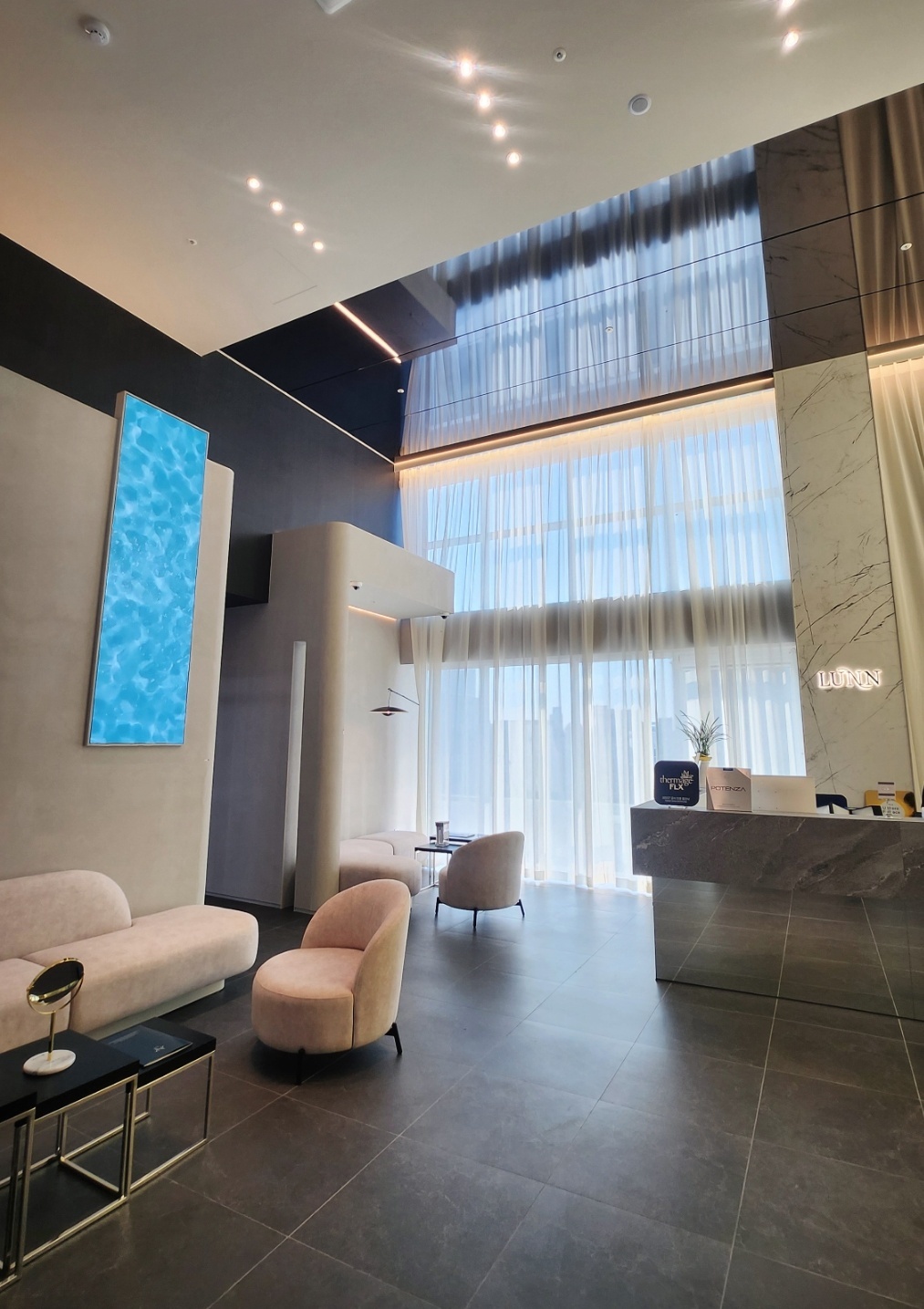
Achieving a defined profile and lifted contours in 2026 involves sophisticated energy-based devices that work beneath the skin surface. Non-invasive jawline and cheek lifting refers to a category of dermatological procedures that utilize energy-based technologies to tighten skin and improve facial contours without surgical incisions. These treatments aim to address the sagging tissue along the mandible and the mid-face area by stimulating deep dermal layers and the structural SMAS layer to provide a naturally rejuvenated appearance.
Defining Non Invasive Jawline and Cheek Lifting in Seoul
Non-invasive lifting is defined by the use of external energy sources, such as ultrasound or radiofrequency, to induce thermal changes in the skin tissue without breaking the surface. This approach allows for structural improvements that were previously only possible through surgical means, albeit with more subtle and gradual results. By targeting specific depths, we can address different aspects of aging, from fine lines on the surface to deep tissue laxity that causes the jawline to disappear.
Understanding Facial Sagging and the Loss of Jawline Definition
Facial sagging, scientifically referred to as ptosis, is the gradual descent of skin and underlying tissues caused by the combined forces of gravity, intrinsic aging, and the degradation of structural proteins like collagen and elastin. As we age, the superficial muscular aponeurotic system, or SMAS layer, which sits approximately 4.5mm beneath the skin surface, begins to lose its tension. This leads to the characteristic formation of jowls and the blurring of the mandibular border, often described as a loss of jawline definition. In the mid-face, the malar fat pads descend, contributing to deepened nasolabial folds and a hollowed appearance in the upper cheeks. Understanding this anatomical shift is crucial for effective treatment, as merely tightening the surface skin does not address the underlying structural descent. At LUNN, we evaluate these 3D changes to determine how much tissue displacement has occurred before recommending a specific energy-based intervention for our patients.
The Science of Collagen Stimulation through Energy Based Devices
Collagen stimulation through energy-based devices relies on the biological principle of neocollagenesis, where controlled thermal injury triggers the body's natural wound-healing response. Most lifting lasers operate by delivering energy that raises the temperature of the target tissue to between 60 and 70 degrees Celsius. This specific temperature range is the threshold required to denature old, brittle collagen fibers, causing them to contract immediately while signaling fibroblasts to produce fresh, organized collagen over the following months. This process typically reaches its peak efficacy around 90 days after the procedure, which is why patients often see their optimal results at the three-month mark. Please note that individual results may vary based on skin condition and age. By utilizing precise delivery systems, we can ensure that the thermal energy reaches the dermis or SMAS without damaging the epidermis. This scientific approach ensures that the lifting effect is not just a temporary surface change but a biological improvement in the skin's structural integrity and overall elasticity levels.
Why Cheongdam and Apgujeong Rodeo Are Hubs for Advanced Lifting
Cheongdam and Apgujeong Rodeo have established themselves as global hubs for advanced lifting treatments due to a unique confluence of medical expertise and high patient expectations. In this region of Seoul, the density of board-certified dermatologists allows for a highly competitive environment that drives the early adoption of the latest global technologies. Patients here often seek natural-looking results that emphasize harmony rather than drastic, artificial changes, which has led to the development of sophisticated multi-modal protocols. Furthermore, LUNN and similar institutions in the area focus on a personalized approach where the doctor directly manages the entire process from consultation to procedure. The high volume of clinical cases in these districts provides practitioners with extensive data on how different skin types respond to various lifting energies. This collective experience ensures that patients receive treatments that are refined to the millimeter, prioritizing the subtle details that define a luxury aesthetic experience in modern South Korea.
Leading Technologies for Facial Contouring and Tightening
Leading technologies for facial contouring include High-Intensity Focused Ultrasound (HIFU), Monopolar Radiofrequency (RF), and Microwave-based systems, each targeting different layers of the facial anatomy. These devices are selected based on the patient's specific needs, whether they require deep structural lifting or superficial skin tightening. By combining these modalities, we can create a comprehensive treatment plan that addresses the face in three dimensions, ensuring that both the jawline and the cheeks receive the appropriate level of thermal stimulation.
High Intensity Focused Ultrasound for Deep Tissue Lifting
High Intensity Focused Ultrasound, commonly known as HIFU, is a cornerstone of non-surgical lifting because of its ability to reach the SMAS layer at a depth of 4.5mm. By focusing ultrasound energy into tiny thermal coagulation points, the device creates a tightening effect deep within the tissue that mimics the results of a traditional facelift with significantly reduced recovery time compared to surgical options. Clinical observations show that this modality is particularly effective for sharpening the jawline and lifting the submental area, where structural support is most needed. While the procedure involves a distinct tingling or warm sensation as the energy is delivered, the localized nature of the thermal points helps protect the surrounding tissue. At LUNN, we utilize HIFU to provide the foundational lift upon which other surface-level treatments can be layered. It is important to note that while HIFU is powerful, results can vary based on the thickness of the subcutaneous fat and the baseline laxity of the patient's skin structure.
Radiofrequency Treatments for Skin Surface Elasticity
Radiofrequency treatments, particularly monopolar RF, utilize electrical current to generate bulk heating within the dermis to improve skin surface elasticity and texture. Unlike ultrasound, which targets specific points, RF energy flows through the tissue, providing a more uniform heating effect that is ideal for tightening the 'envelope' of the skin. This technology is frequently used to address fine lines and mild sagging in the cheek area, where skin thinning is a primary concern. The heating process stimulates the production of both collagen and elastin, leading to a smoother and more resilient skin surface over a period of two to six months. During the procedure, integrated cooling mechanisms protect the epidermis, allowing for high energy delivery while maintaining patient comfort. We often recommend RF for patients who are beginning to notice early signs of laxity or for those who want to maintain the results of a deeper HIFU treatment, creating a synergistic effect for comprehensive facial rejuvenation.
Microwave Technology for Precise Fat Reduction and Lifting
Microwave technology, such as the ONDA system, represents a newer frontier in facial contouring by specifically targeting subcutaneous fat cells while simultaneously tightening the connective tissue. This modality uses specialized coolwaves that bypass the skin surface to reach targeted subcutaneous depths, making it effective for reducing the 'double chin' or heavy jowls that obscure the jawline in suitable candidates. By oscillating the fat cells at high frequencies, the microwaves cause localized lipolysis, which the body then naturally metabolizes over several weeks. Simultaneously, the heat tightens the collagen septa within the fat layer, providing a lifting effect that prevents the skin from looking loose after fat reduction. This dual action is particularly valuable for patients who have both skin laxity and localized fat deposits that contribute to a heavy lower face. Integrating microwave technology into a contouring plan at LUNN allows for a more sculpted appearance that enhances the natural bone structure of the jaw and cheeks effectively.
Comparing Jawline and Cheek Lifting Modalities
Comparing jawline and cheek lifting modalities requires an understanding of how each technology interacts with different tissue types and depths. While some devices are designed to reach the deep structural layers, others are optimized for the superficial dermis to improve texture and fine lines. The following table illustrates the key differences between these technologies to help patients understand which approach might best suit their unique anatomical concerns and aesthetic goals.
Treatment Depth and Target Tissue Comparison
The depth of treatment is perhaps the most critical factor in determining the outcome of a lifting procedure, as different facial concerns originate in different layers. For structural jawline lifting, reaching the 4.5mm depth to target the SMAS is essential for long-term support. In contrast, treatments for cheek elasticity often focus on the 1.5mm to 3.0mm range to revitalize the dermal collagen network. Choosing the wrong depth can result in ineffective treatment or, in some cases, unwanted fat loss in areas where volume is needed. Therefore, a detailed ultrasound or physical assessment is performed at LUNN to map the thickness of the patient's skin and fat layers. This precision ensures that energy is delivered exactly where it will provide the most benefit, avoiding areas of concern and maximizing the regenerative response of the tissue. Understanding these nuances is what separates a standard procedure from a truly customized medical treatment tailored to individual facial structures.
| Modality | Technology | Target Depth | Primary Goal |
|---|---|---|---|
| Ultherapy | HIFU | 1.5mm - 4.5mm | Structural Lifting |
| Thermage FLX | Monopolar RF | 1.1mm - 3.0mm | Surface Tightening |
| ONDA | Microwave | Subcutaneous layers | Fat Contouring |
Recovery Profiles and Expected Results Timelines
Recovery from non-invasive lifting lasers is typically minimal, allowing most patients to return to their daily routines within 24 to 48 hours, although individual recovery times can vary. Immediately following the procedure, it is common to experience mild erythema (redness) and slight edema (swelling), which usually resolve within a few days. The timeline for results is divided into two phases: the immediate contraction phase and the long-term remodeling phase. Some patients notice an immediate 'glow' or slight tightening due to the initial thermal effect on collagen fibers. However, the true transformation occurs over the next 8 to 12 weeks as new collagen is synthesized and integrated into the skin matrix. We advise patients that while they may see early improvements, the final result should be evaluated at the three-month mark. This gradual onset ensures a natural-looking progression, allowing for a subtle transition as the skin's structural integrity improves over time. Consistent follow-up at LUNN helps monitor this progress and ensures that the skin is responding optimally to the treatment stimulus provided.
The LUNN Approach to Facial Harmony and Custom Design
The LUNN approach to facial harmony focuses on the belief that beauty is found in the balance and proportion of individual features rather than following a generic template. We prioritize a 'design-first' methodology where the unique bone structure, fat distribution, and skin quality of each patient are thoroughly analyzed before any energy is applied. By considering the face as a holistic unit, we ensure that lifting the jawline also complements the volume of the cheeks and the tightness of the neck, creating a seamless and youthful appearance.
The Importance of the One Millimeter Difference in Contouring
In the realm of facial aesthetics, the difference of a single millimeter can be the deciding factor between a natural rejuvenation and a distorted appearance. Precision in energy delivery is paramount, especially when working around sensitive areas like the jawline and the perioral region. At LUNN, we emphasize the 'one millimeter difference' by carefully mapping the energy distribution to match the patient's unique anatomy. This involves adjusting the vector of the lift to counteract the specific direction of the patient's sagging. For instance, lifting too vertically in a patient with a wide jaw can unintentionally broaden the face, whereas a more diagonal vector can provide a slimmer, more refined profile. By focusing on these minute details, we can achieve a result that looks inherently natural, as if the patient has simply well-rested and healthy skin. This level of meticulousness is a hallmark of our practice, ensuring that every pulse of energy contributes to a balanced and harmonious facial contour that respects the patient's original beauty.
Avoiding the Overfilled Look with Strategic Laser Placement
One of the most common concerns in 2026 is the 'overfilled' or 'pillow face' look, which often results from an over-reliance on injectables without addressing the underlying skin laxity. Strategic laser placement at LUNN offers a solution by tightening the existing tissue rather than simply adding volume. By using lifting lasers to consolidate the skin and fat, we can often reduce the amount of filler needed to achieve a youthful contour. This 'less is more' philosophy ensures that the face retains its natural movement and expressions. We strategically target the lateral aspects of the face to provide a lifting anchor, which naturally smooths the nasolabial folds and marionette lines without the need for excessive mid-face volume. This approach prioritizes structural integrity over temporary puffiness, leading to a sophisticated aesthetic that ages gracefully over time. By balancing energy-based lifting with conservative injectable use, we maintain the delicate proportions that define a truly youthful and vibrant face while avoiding the pitfalls of over-treatment.
Addressing Asymmetry through Personalized Medical Assessment
Facial asymmetry is a natural occurrence, but it can become more pronounced as we age and skin laxity increases on one side more than the other. A personalized medical assessment at LUNN begins with a thorough evaluation of these imbalances, which may be caused by sleeping habits, chewing patterns, or natural skeletal variation. During the lifting procedure, we customize the energy intensity and the number of passes on each side of the face to correct these discrepancies. For example, if the right jowl is more prominent, we may apply a higher density of HIFU or RF energy to that specific area to achieve a more symmetrical jawline. This bespoke approach ensures that the final result is not just a lift, but a correction that brings the entire face into better alignment. We believe that true harmony requires this level of individualization, as no two faces are identical. By addressing asymmetry, we enhance the overall aesthetic balance, providing patients with a sense of renewed confidence in their profile and frontal appearance alike.
Patient Safety and Maintenance of Results
Patient safety is our highest priority at LUNN, and we adhere to rigorous protocols to ensure that every treatment is both effective and secure. While non-invasive lifting lasers are generally considered safe, they are medical procedures that require expert oversight to manage potential risks. Maintaining the results of a lifting treatment involves a combination of healthy lifestyle choices, professional skin care, and periodic maintenance sessions to counteract the ongoing process of natural aging.
Potential Side Effects including Temporary Swelling and Redness
While non-invasive lifting lasers offer a favorable safety profile compared to surgery, patients should be aware of potential side effects that are typical for energy-based treatments. The most common experiences include temporary erythema (redness) and mild edema (swelling) in the treated areas, which are actually signs that the tissue has reached the therapeutic temperature required for collagen remodeling. These effects generally resolve within a few hours to three days, depending on the intensity of the treatment and the patient's individual sensitivity. In some cases, patients may feel a lingering tenderness or a 'muscle ache' sensation along the jawline for up to two weeks, which is a normal part of the healing process. Rare complications, such as temporary bruising, localized numbness, or small blisters, can occur if the energy is not applied correctly. To mitigate these risks, LUNN provides comprehensive pre- and post-care instructions and utilizes advanced imaging technology to monitor the skin's response in real-time. It is essential to understand that while these treatments are low-downtime, they are not entirely risk-free and should be performed by qualified medical professionals.
Post Treatment Guidelines for Prolonging Lifting Effects
To maximize the longevity of a jawline or cheek lift, patients must follow specific post-treatment guidelines that support the skin's regenerative cycle. Hydration is critical, as collagen synthesis is a water-dependent biological process; we recommend increasing water intake and using medical-grade moisturizers for at least two weeks following the procedure. Protection against ultraviolet (UV) radiation is equally vital, as sun damage is the primary cause of collagen degradation; a broad-spectrum sunscreen should be applied daily, even indoors. We also suggest avoiding high-heat environments like saunas or intense exercise for the first 48 hours to prevent excessive swelling. Incorporating antioxidants like Vitamin C into the skincare routine can further support the fibroblasts in producing high-quality collagen. At LUNN, we provide each patient with a customized recovery kit designed to soothe the skin and enhance the final results. By adhering to these simple yet effective steps, patients can significantly extend the duration of their lifting effects and ensure that their skin remains healthy and vibrant throughout the remodeling phase.
The Role of Regular Maintenance in Long Term Skin Health
Maintaining the results of a non-surgical lift requires a long-term perspective, as the aging process continues even after a successful treatment. We typically recommend a maintenance session every 6 to 12 months, depending on the patient's age and the baseline condition of their skin. This 'tweakment' approach allows us to sustain the collagen levels and prevent the re-emergence of sagging before it becomes severe. For more information on maintaining these results, you may read our guide on A Specialist's 2026 Guide to Non-Surgical Facelift in Cheongdam: Achieving Natural Harmony at LUNN. Regular maintenance not only preserves the aesthetic improvements but also serves as a form of 'pre-juvenation' for younger patients, slowing the visible signs of aging. We often combine lifting lasers with other modalities like skin boosters to ensure the skin remains hydrated and plump from the inside out. For those specifically interested in structural ultrasound lifting, our guide on A Specialist's 2026 Guide to Ultherapy Prime at LUNN in Seoul: Achieving Facial Harmony provides deeper insights. Ultimately, long-term skin health is a partnership between the doctor and the patient, focused on sustainable beauty and natural facial harmony.
Frequently Asked Questions
Q. What is the primary difference between jawline lifting and cheek lifting?
Jawline lifting focuses on sharpening the mandibular border and reducing sagging jowls, whereas cheek lifting targets the mid-face to restore volume and lift the nasolabial folds. At LUNN, we often combine these approaches to achieve a balanced and harmonious facial contour that addresses the face as a whole. Both areas require different energy depths and vectors for the best outcome.
Q. How long does it take to see results after a lifting laser treatment in Seoul?
While some patients notice immediate tightening due to collagen contraction, the most significant results typically appear between two to three months as new collagen is synthesized. This timeline aligns with the natural biological cycle of the skin's repair mechanisms. Results may vary depending on individual skin condition, age, and lifestyle factors like sun exposure.
Q. Is the jawline lifting procedure painful?
Most modern lifting lasers involve some level of thermal sensation, tingling, or a deep warmth within the tissue. We utilize various numbing techniques, including topical creams and cooling systems, to ensure patient comfort during the session. However, individual sensitivity levels differ, and absolute painlessness is rarely achieved in energy-based treatments that require therapeutic heat.
Q. Can I return to my daily activities immediately after the treatment?
Most lifting lasers offer minimal downtime, allowing patients to return to work or social activities quickly, often on the same day. However, temporary redness or mild swelling can occur in the treated areas for a few hours or days. We advise following specific post-care instructions provided by our medical team to ensure the best possible recovery experience.
Q. Are there any side effects I should be aware of?
Potential side effects include temporary redness, minor swelling, or a tingling sensation that usually subsides within a few days. In rare cases, temporary bruising or localized numbness may occur depending on the energy settings used. These effects are generally transient and resolve without permanent damage if proper protocols are followed by the practitioner.
Q. How many sessions are typically required for an optimal jawline lift?
Many patients achieve their desired outcome after a single intensive session, but others with more significant laxity may benefit from a series of treatments. These are typically spaced several months apart to allow for full collagen remodeling. The exact number of sessions is determined during a personalized consultation based on your unique skin anatomy.
Q. Who is an ideal candidate for non surgical cheek lifting?
Ideal candidates are individuals with mild to moderate skin sagging who prefer to avoid the risks and downtime of surgery. It is particularly effective for those looking to improve their profile and restore youthful contours naturally. A professional diagnosis is necessary to ensure the treatment matches your specific skin thickness and health history.
Key Takeaways
- Non-Invasive Precision: Modern lifting lasers in 2026 target the SMAS layer at 4.5mm and the dermis at 1.5-3.0mm to provide structural support without surgery.
- Natural Timeline: Significant results typically emerge over 2 to 3 months as the body synthesizes new collagen in response to controlled thermal stimulation.
- Customized Vectors: The LUNN approach emphasizes the 'one millimeter difference,' tailoring the direction and intensity of energy to correct individual asymmetry.
- Minimal Downtime: Most procedures allow for a return to daily life within 24 to 48 hours, though temporary redness and swelling are common.
- Sustained Results: Maintaining a youthful jawline and cheek contour requires a combination of annual maintenance sessions and diligent sun protection.
Refining the Details. Achieving Perfect Harmony.
LUNN / Dr. Hyoung-kwon Park Follow me on Threads @dr.lunn for more insights into dermatology.
FAQ
- What is the primary difference between jawline lifting and cheek lifting?
- Jawline lifting focuses on sharpening the mandibular border and reducing sagging jowls, whereas cheek lifting targets the mid-face to restore volume and lift the nasolabial folds. At lunnclinic, we often combine these approaches to achieve a balanced and harmonious facial contour that addresses the face as a whole. Both areas require different energy depths and vectors for the best outcome.
- How long does it take to see results after a lifting laser treatment in Seoul?
- While some patients notice immediate tightening due to collagen contraction, the most significant results typically appear between two to three months as new collagen is synthesized. This timeline aligns with the natural biological cycle of the skin's repair mechanisms. Results may vary depending on individual skin condition, age, and lifestyle factors like sun exposure.
- Is the jawline lifting procedure painful?
- Most modern lifting lasers involve some level of thermal sensation, tingling, or a deep warmth within the tissue. We utilize various numbing techniques, including topical creams and cooling systems, to ensure patient comfort during the session. However, individual sensitivity levels differ, and absolute painlessness is rarely achieved in energy-based treatments that require therapeutic heat.
- Can I return to my daily activities immediately after the treatment?
- Most lifting lasers offer minimal downtime, allowing patients to return to work or social activities quickly, often on the same day. However, temporary redness or mild swelling can occur in the treated areas for a few hours or days. We advise following specific post-care instructions provided by our medical team to ensure the best possible recovery experience.
- Are there any side effects I should be aware of?
- Potential side effects include temporary redness, minor swelling, or a tingling sensation that usually subsides within a few days. In rare cases, temporary bruising or localized numbness may occur depending on the energy settings used. These effects are generally transient and resolve without permanent damage if proper protocols are followed by the practitioner.
- How many sessions are typically required for an optimal jawline lift?
- Many patients achieve their desired outcome after a single intensive session, but others with more significant laxity may benefit from a series of treatments. These are typically spaced several months apart to allow for full collagen remodeling. The exact number of sessions is determined during a personalized consultation based on your unique skin anatomy.
- Who is an ideal candidate for non surgical cheek lifting?
- Ideal candidates are individuals with mild to moderate skin sagging who prefer to avoid the risks and downtime of surgery. It is particularly effective for those looking to improve their profile and restore youthful contours naturally. A professional diagnosis is necessary to ensure the treatment matches your specific skin thickness and health history.