
Post
What to do if Flat Warts Spread After a Professional Scrub: A 2026 Specialist Guide
Hello, I am Park Hyung-kwon, a board-certified dermatologist at LUNN (Lunn Dermatology Clinic).
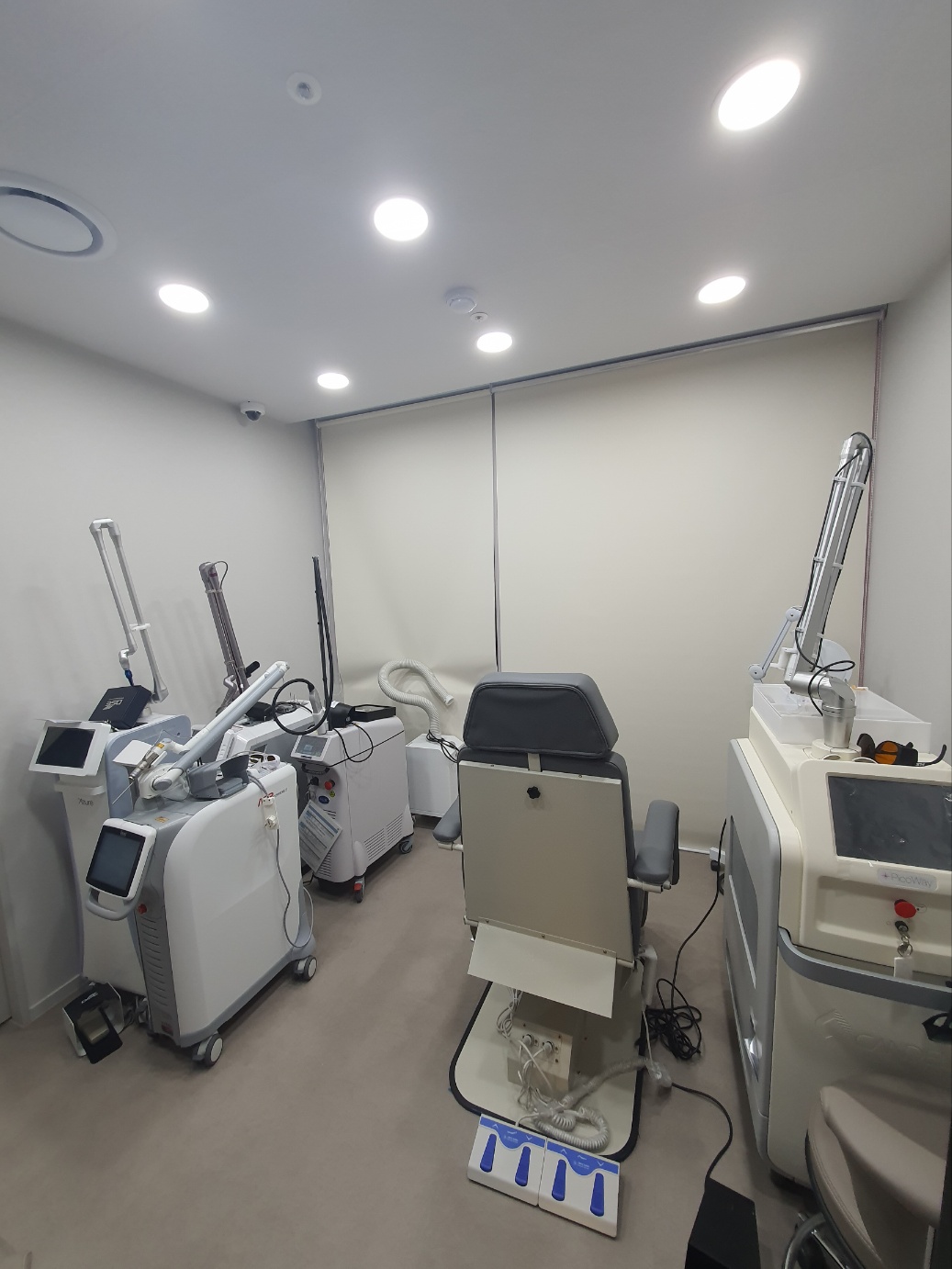
When patients visit our clinic in the Apgujeong Rodeo area, they often describe a frustrating cycle of trying to improve their skin texture through scrubs, only to find that small, stubborn bumps begin to multiply rapidly across their face. This phenomenon is a common consequence of managing flat warts incorrectly, and it requires a sophisticated clinical approach to resolve without further irritation.
Understanding Flat Warts and the Risks of Mechanical Exfoliation
Flat warts are benign epithelial growths caused by the Human Papillomavirus (HPV), specifically strains such as type 3 and type 10, which manifest as slightly elevated, smooth lesions. Unlike common warts that appear rough and cauliflower-like, these lesions are often flesh-colored or light brown, making them difficult to distinguish from acne or milia without a professional examination.
Defining Flat Warts and the Role of the Human Papillomavirus
Flat warts are small skin elevations caused by specific strains of the Human Papillomavirus (HPV) that infect the superficial layers of the epidermis. These lesions typically measure between 1 and 5 millimeters in diameter and often appear in clusters of 20 to 100 individual bumps. Because the virus resides within the skin cells, it is highly contagious and can easily spread to surrounding tissue if the skin barrier is disrupted. At LUNN, we frequently see patients who have unknowingly carried these lesions for months, mistaking them for simple texture issues or closed comedones. The virus thrives in moist environments and can lie dormant before a sudden outbreak occurs. Understanding that these are viral infections rather than simple clogged pores is the first step toward effective management. Proper diagnosis by a specialist is crucial to ensure that the chosen treatment targets the underlying viral cause rather than just the visible surface bump.
The Koebner Phenomenon and Why Professional Scrubs Spread Warts
Mechanical exfoliation, including professional scrubs and microdermabrasion, can trigger a reaction known as the Koebner phenomenon, where new skin lesions appear at the site of physical trauma. When a scrub is applied to a region with active flat warts, the abrasive particles create microscopic tears in the stratum corneum, allowing the HPV to migrate and colonize healthy adjacent skin. This process can cause a single lesion to multiply into dozens within a matter of days. Clinical observations indicate that a notable portion of patients with viral skin conditions experience this type of isomorphic response following aggressive physical manipulation. In a clinical setting, we observe that the linear arrangement of new warts often follows the exact path of the exfoliation strokes. Avoiding all forms of friction is essential once a viral presence is suspected, as the mechanical action essentially 'seeds' the virus across the entire facial landscape, complicating the eventual recovery process.
Identifying Early Signs of Post-Scrub Spreading
Early signs of viral spreading typically emerge within 7 to 14 days following a provocative skin treatment like a professional scrub. You may notice a sudden appearance of tiny, flat-topped bumps that seem to follow a specific pattern or line along the cheeks and jawline. These new lesions are often accompanied by a mild itching sensation, which affects many patients during the initial inflammatory phase. At LUNN, we advise patients to look for more than 5 new spots appearing in an area that was previously clear of texture issues. Unlike standard inflammatory acne, these bumps do not have a central pore and do not respond to traditional spot treatments or extraction attempts. If you observe that your skin feels unusually rough and the number of bumps is increasing daily, it is imperative to seek a dermatological evaluation immediately to prevent the virus from establishing a larger footprint on your face.
Immediate Actions When Flat Warts Multiply After a Skin Treatment
Immediate management of spreading flat warts involves the complete cessation of all irritating activities to stabilize the skin barrier and prevent further viral migration. This 'emergency' pause allows the local immune system to begin responding to the viral load without the distraction of constant physical trauma or chemical irritation.
Halting All Physical Scrubs and Manual Peeling Agents
The most critical step when you suspect a viral spread is to immediately stop using all physical scrubs, loofahs, and manual peeling gels. Any further mechanical friction will only serve to distribute the HPV more deeply and widely across your skin, potentially leading to hundreds of new lesions. Even gentle home-use exfoliating pads can be detrimental when the skin is in an active viral state. At LUNN, we recommend switching to an extremely mild, non-foaming cleanser to minimize any disruption to the compromised epidermis. Clinical observations suggest that continuing exfoliation during an outbreak can cause the virus to spread rapidly, significantly increasing the total lesion count within a short period. By removing the catalyst for spreading, you give your skin a chance to enter a more stable state, which is necessary before any clinical laser interventions can be safely performed.
Protecting the Skin Barrier to Prevent Secondary Infection
A compromised skin barrier not only allows the virus to spread but also leaves the tissue vulnerable to secondary bacterial infections. Protecting the epidermis with barrier-repairing ingredients like ceramides and fatty acids can help reinforce the skin's natural defenses. We often suggest using a fragrance-free moisturizer twice daily to maintain optimal hydration levels, which supports the innate immune response of the skin. It is important to avoid touching or picking at the lesions, as this can introduce bacteria into the microscopic tears. In my clinical experience, patients who maintain a healthy moisture balance during an outbreak tend to experience a smoother and faster recovery time once clinical treatment begins. Keeping the skin calm and hydrated reduces the overall inflammatory load, making the eventual laser removal process more effective and less likely to result in post-inflammatory hyperpigmentation.
The Importance of Professional Diagnosis over Home Remedies
Attempting to treat flat warts with over-the-counter home remedies or high-concentration acids often leads to severe chemical burns or accelerated spreading. Many home treatments are designed for common warts on the hands and feet, which are much thicker and more resilient than the delicate skin on the face. Using these harsh products on the face can cause permanent scarring or deep pigment changes. At LUNN, we utilize dermatoscopy to confirm the presence of viral structures and differentiate them from benign conditions like sebaceous hyperplasia. An accurate diagnosis ensures that the treatment plan is specifically tailored to your skin type and the severity of the viral spread. Professional guidance is especially important because a significant portion of self-diagnosed cases are actually a mix of different skin conditions that require varied therapeutic approaches.
Clinical Solutions for Skin Texture Refinement and Wart Removal
Clinical intervention for flat warts focus on the precise destruction of the infected tissue while minimizing damage to the surrounding healthy skin. Modern laser technologies have significantly improved our ability to clear these lesions with high accuracy and reduced downtime compared to traditional methods.
Precision Laser Therapy for Targeted Lesion Clearance
Precision laser therapy is a sophisticated approach that uses targeted wavelengths, such as those found in CO2 lasers, to vaporize the infected skin cells with high precision. This technology allows us at LUNN to target individual flat warts without affecting the healthy tissue just millimeters away. Each lesion is typically treated in a matter of seconds, and a full-face session can often be completed within 15 to 20 minutes. While individual results vary, many patients see a significant reduction in visible lesions after just one session, although some may require 2 to 3 treatments for complete clearance. Potential side effects include temporary redness, mild swelling, and the formation of tiny scabs that typically resolve within 5 to 7 days. Because the laser creates a controlled thermal zone, it also stimulates a local immune response that may help the body recognize and fight the underlying virus more effectively.
Clinical Laser Removal for Flat Warts
When managing flat warts, it is important to understand how clinical interventions interact with a viral infection. While various treatments can improve general skin texture, laser therapy offers a targeted approach suitable for infectious lesions. At LUNN, we utilize precision lasers to focus on individual lesions, which helps minimize the risk of irritation to the surrounding healthy tissue. This method allows for a controlled treatment environment, though results and recovery times may vary depending on the individual's skin condition and immune response.
For more information on general texture management, you may find our Professional Guide to Skin Texture Refinement Treatments in Seoul (2026) helpful for understanding broader skin goals.
Post-Treatment Recovery and Skin Tone Maintenance
Recovery after laser treatment for flat warts requires a diligent approach to sun protection and skin hydration to ensure the best aesthetic outcome. For the first 72 hours, it is vital to avoid any strenuous exercise or environments that cause excessive sweating, as heat can exacerbate redness and slow the healing process. The tiny crusts that form over the treated sites should be allowed to fall off naturally, which usually occurs between day 5 and day 7 post-procedure. At LUNN, we emphasize the use of a broad-spectrum sunscreen with an SPF of 30 or higher to prevent post-inflammatory hyperpigmentation, which can affect a subset of patients if they are exposed to UV radiation during the healing phase. Maintaining a consistent routine with gentle, regenerative products will help restore the natural skin tone and ensure that the treated areas blend seamlessly with the rest of your face.
Sustainable Skin Management and Facial Harmony at LUNN
Long-term management of flat warts involves more than just removal; it requires a strategic approach to skin health that prioritizes the integrity of the skin barrier and the balance of the facial ecosystem. Achieving lasting results means addressing both the viral symptoms and the factors that made the skin susceptible to infection in the first place.
Dermatologist-Led Facial Design for Clear and Healthy Skin
At LUNN, our approach to facial design goes beyond simply removing imperfections; we focus on the 1mm differences that create a harmonious and healthy appearance. When treating flat warts, we consider the overall distribution of the lesions and how their removal will affect the skin's texture and light reflection. By utilizing advanced diagnostic tools, we can create a treatment map that prioritizes high-visibility areas while ensuring the skin's structural integrity is maintained. We believe that a dermatologist-led plan is essential for patients who want to achieve clear skin without the 'over-treated' look that can occur with aggressive, non-specialized procedures. Our goal is to restore your skin to its most natural, vibrant state, ensuring that the removal of viral lesions contributes to a cohesive and balanced facial aesthetic. Every procedure is performed directly by me to ensure meticulous standards of safety and precision.
Customized Skin Care Programs to Address Underlying Causes
A Customized Skin Care Program in Seoul: A Dermatologist's Guide for 2026 is an effective way to prevent the recurrence of flat warts after an initial clearance. These programs are designed to strengthen the skin's natural defense mechanisms through the use of targeted topicals and periodic professional monitoring. By analyzing your unique skin barrier function and immune response, we can recommend specific ingredients that help keep the skin surface hostile to viral colonization. In my clinical experience, patients who follow a tailored maintenance program report more stable results and fewer recurrences compared to those who only seek treatment during active outbreaks. However, individual results may vary based on the patient's immune system and skin type. Regular check-ups allow us to identify and treat any microscopic new lesions before they have the chance to spread, maintaining your skin's clarity and health over the long term.
Preventive Strategies for Long-Term Texture Refinement
Preventing the spread of flat warts in the future requires a shift in how you perceive skin exfoliation and professional treatments. It is essential to inform any aesthetician or skincare provider about your history with HPV before undergoing any facial procedures. Avoiding the sharing of towels, makeup brushes, or razors is a simple yet effective way to reduce the risk of re-infection from external sources. At LUNN, we teach our patients to recognize the very first signs of texture changes so they can seek intervention before a significant outbreak occurs. Clinical experience suggests that early-stage treatment of single lesions can simplify the procedure and reduce the risk of potential scarring compared to treating a full-face spread. By combining professional laser technology with a cautious, evidence-based home care routine, you can enjoy smooth, refined skin texture while keeping viral risks at a minimum.
Frequently Asked Questions
Q. What are flat warts and why do they look like regular bumps?
Flat warts are small, smooth skin lesions caused by the Human Papillomavirus (HPV). They are often flesh-colored or light brown, which makes them easy to mistake for acne, milia, or skin tags. Because they are viral and contagious, they can spread rapidly if the skin surface is irritated or damaged.
Q. Why did my warts spread specifically after a professional scrub?
Professional scrubs involve mechanical exfoliation that creates microscopic tears in the skin's surface. This allows the virus to migrate from an existing lesion to healthy adjacent skin, a reaction known as the Koebner phenomenon. Essentially, the scrub acts as a tool that 'seeds' the virus across your face.
Q. Is laser removal of flat warts painful?
While the procedure involves some sensation, we use topical numbing creams to ensure it is manageable for most patients. Most people describe the feeling of the laser as a mild snapping or prickling sensation against the skin. The level of discomfort generally depends on the total number of lesions being treated.
Q. What are the potential side effects of flat wart laser treatment?
Common side effects include temporary redness, mild swelling, and the formation of tiny, pin-sized scabs at the treatment sites. These typically resolve within 5 to 7 days as the skin heals naturally. In rare cases, minor pigment changes can occur, though professional care at LUNN helps minimize these risks.
Q. How many sessions are required for complete clearance?
The number of sessions depends on the extent of the spread and how your individual immune system responds. While many patients see significant improvement after a single session, some require 2 or 3 treatments to ensure all visible lesions are cleared. We recommend a customized plan to monitor for any potential recurrence.
Q. Can I use home peeling products if I have flat warts?
I strongly advise against using any home peeling products or physical scrubs if you suspect you have flat warts. Irritating the viral lesions can facilitate further spreading and make the eventual clinical treatment more difficult. It is best to have a dermatologist evaluate your skin before using any exfoliant.
Q. What is the typical recovery time after a removal procedure at LUNN?
Recovery usually takes about 5 to 7 days, during which the small crusts over the treated spots will naturally flake off. It is crucial not to pick at these spots and to use a high-quality sunblock to prevent hyperpigmentation. Most patients return to their normal skincare routine after the one-week mark.
Key Takeaways
- Flat warts are viral (HPV) and can be easily mistaken for acne, requiring a professional diagnosis.
- Mechanical scrubs can cause flat warts to spread rapidly across the face via the Koebner phenomenon.
- Immediate action involves halting all exfoliation and protecting the skin barrier with gentle products.
- Precision laser therapy at LUNN provides a targeted solution to clear lesions with minimal downtime.
- Long-term prevention requires a customized skincare program and avoiding physical trauma to the skin.
LUNN / Park Hyung-kwon
FAQ
- What are flat warts and why do they look like regular bumps?
- Flat warts are small, smooth skin lesions caused by the Human Papillomavirus (HPV). They are often flesh-colored or light brown, which makes them easy to mistake for acne, milia, or skin tags. Because they are viral and contagious, they can spread rapidly if the skin surface is irritated or damaged.
- Why did my warts spread specifically after a professional scrub?
- Professional scrubs involve mechanical exfoliation that creates microscopic tears in the skin's surface. This allows the virus to migrate from an existing lesion to healthy adjacent skin, a reaction known as the Koebner phenomenon. Essentially, the scrub acts as a tool that 'plants' the virus across your face.
- Is laser removal of flat warts painful?
- While the procedure involves some sensation, we use topical numbing creams to ensure it is manageable for most patients. Most people describe the feeling of the Re2O laser as a mild snapping or prickling sensation against the skin. The level of discomfort generally depends on the total number of lesions being treated.
- What are the potential side effects of flat wart laser treatment?
- Common side effects include temporary redness, mild swelling, and the formation of tiny, pin-sized scabs at the treatment sites. These typically resolve within 5 to 7 days as the skin heals naturally. In rare cases, minor pigment changes can occur, though professional care at lunnclinic helps minimize these risks.
- How many sessions are required for complete clearance?
- The number of sessions depends on the extent of the spread and how your individual immune system responds. While many patients see significant improvement after a single session, some require 2 or 3 treatments to ensure all visible lesions are cleared. We recommend a customized plan to monitor for any potential recurrence.
- Can I use home peeling products if I have flat warts?
- I strongly advise against using any home peeling products or physical scrubs if you suspect you have flat warts. Irritating the viral lesions can facilitate further spreading and make the eventual clinical treatment more difficult. It is best to have a dermatologist evaluate your skin before using any exfoliant.
- What is the typical recovery time after a removal procedure at lunnclinic?
- Recovery usually takes about 5 to 7 days, during which the small crusts over the treated spots will naturally flake off. It is crucial not to pick at these spots and to use a high-quality sunblock to prevent hyperpigmentation. Most patients return to their normal skincare routine after the one-week mark.