
Post
A Specialist's 2026 Guide to Double Chin Reduction Procedures: Achieving Perfect Harmony at LUNN
Hello, I am Dr. Hyungkwon Park, a dermatology specialist at LUNN. Addressing submental fullness requires a deep understanding of the structural harmony between fat distribution and skin elasticity. In this guide, I will share clinical insights into non-surgical double chin reduction procedures to help you navigate the options for achieving a refined and natural jawline profile.
Understanding Double Chin Submental Fat and Skin Laxity
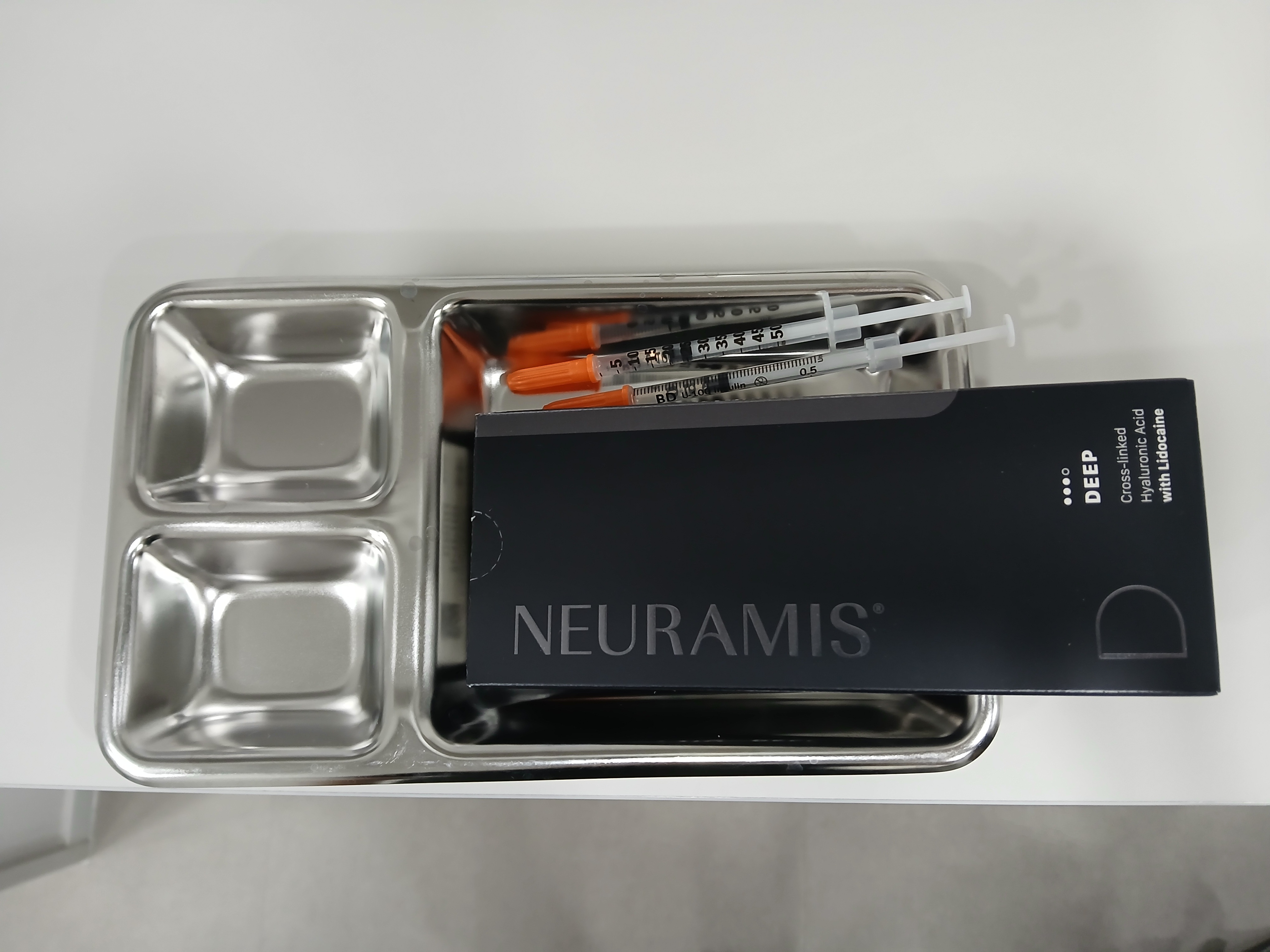
Submental fullness, commonly known as a double chin, is an aesthetic condition defined by the accumulation of excess adipose tissue or the presence of sagging skin in the area beneath the mandible. This condition often obscures the definition of the jawline and can be influenced by a variety of biological and environmental factors.
What Causes a Double Chin: Exploring Genetics, Aging, and Anatomy
The development of submental fullness is often rooted in a complex interplay of 3 primary factors: genetic predisposition, natural aging processes, and individual anatomical structures. Genetics play a significant role, as certain families may carry specific traits that determine how and where fat is distributed, even in individuals with a healthy body mass index. As the body matures, the skin undergoes a 2 percent annual decline in collagen production starting in the mid-twenties, leading to a loss of structural support in the lower face. Furthermore, the descent of the superficial musculoaponeurotic system, or SMAS layer, contributes to a sagging appearance that mimics the look of excess fat. Anatomical factors such as a recessed chin or a low-positioned hyoid bone can also create the illusion of a double chin. Understanding these distinct drivers is essential for developing a customized treatment plan that addresses the specific root cause rather than just the visible symptoms.
Submental Fat Versus Skin Laxity: Identifying the Root Cause of Fullness
Distinguishing between submental fat accumulation and skin laxity is the most critical step in achieving a refined jawline. Submental fat refers to the presence of localized adipose tissue beneath the chin, which often responds well to lipolytic or thermal reduction methods. In contrast, skin laxity is the result of dermal thinning and the weakening of elastin fibers, which requires tightening rather than volume reduction. Based on clinical evaluations at LUNN, many patients present with a combination of both, where fat deposits weigh down already weakened skin. To identify the primary concern, a 2-point physical assessment is performed to check for skin "snap-back" and the thickness of the fat layer. Treating skin laxity with fat-reduction methods alone can sometimes worsen the appearance of sagging by leaving empty space behind. Therefore, precisely mapping these 2 anatomical components ensures that the chosen intervention aligns with the patient's biological reality and aesthetic goals.
Non Surgical Double Chin Reduction Procedures at LUNN
Non-surgical double chin reduction at LUNN involves the use of advanced medical technologies to target fat cells or tighten dermal layers without the need for invasive incisions. These procedures are designed to provide gradual, natural-looking improvements by stimulating the body's internal biological responses.
Energy Based Devices: Utilizing Ultherapy and Thermage for Targeted Tightening
Energy-based devices have revolutionized the way we approach submental contouring by focusing on the deeper structural layers of the skin. Ultherapy utilizes micro-focused ultrasound (MFU) energy to reach depths of 1.5mm to 4.5mm, creating thermal coagulation points that trigger the production of new collagen. This technology is particularly effective for lifting the SMAS layer, providing a non-invasive lift that sharpens the jawline profile. Complementing this, Thermage uses radiofrequency energy to heat the dermis to approximately 60 to 70 degrees Celsius, causing immediate collagen contraction and long-term remodeling. While Ultherapy often involves a single session to initiate the lifting process, Thermage provides a smoothing effect that addresses fine lines and surface laxity. These 2 energy-based technologies work synergistically to address the sagging skin that often contributes to the appearance of a double chin. Patients may experience temporary redness or mild swelling, but these responses generally subside within a few days of the procedure.
Injectable Contouring Treatments: Deoxycholic Acid and Lipolytic Solutions
Injectable treatments provide a targeted approach for patients whose primary concern is localized fat accumulation rather than skin sagging. Deoxycholic acid is a naturally occurring molecule in the body that aids in the breakdown and absorption of dietary fat. When injected into the submental area, it destroys the cell membranes of adipocytes, leading to a long-term reduction in fat volume in the treated zone, provided a stable weight is maintained. At LUNN, the total number of sessions and the interval between treatments are determined through a personalized clinical assessment, as every patient’s fat distribution and skin response are unique. Unlike energy-based tightening, injectables focus purely on volume reduction through a chemical mechanism. It is important to note that these treatments are associated with temporary post-procedure swelling, which is a sign that the body is actively processing the disrupted fat cells. By carefully calculating the dosage and injection points, we can ensure a symmetrical reduction that enhances the natural proportions of the lower face.
The LUNN Philosophy: Custom Structural Design Across Skin Layers
At LUNN, our philosophy centers on the belief that beauty lies in the harmony of structural details and natural proportions. We do not believe in a one-size-fits-all approach, as every face possesses a unique anatomical landscape. My approach involves a meticulous 1mm precision design that considers the interaction between the skin, fat, and muscle layers. By combining different modalities, such as energy-based lifting and lipolytic injections, we address the 3-dimensional nature of the double chin. We prioritize long-term skin health and structural integrity over temporary, aggressive changes that can lead to an artificial appearance. Every treatment plan is directly supervised and performed by a specialist to ensure that the intensity and depth of the procedure are optimized for the patient's specific tissue density. This commitment to detail allows us to achieve results that are both effective and aesthetically balanced, reflecting our dedication to professional excellence and refined aesthetic care.
Comparing Double Chin Procedures: Efficacy, Downtime, and Longevity
Choosing the right procedure requires a comparative understanding of how different technologies affect the submental tissues and what kind of recovery timeline a patient can expect. A successful outcome depends on matching the treatment mechanism to the specific physiological needs of the individual's skin and fat profile.
Energy Based Tightening Versus Injectable Fat Reduction Mechanisms
The fundamental difference between energy-based tightening and injectable fat reduction lies in their biological targets and expected outcomes. Energy-based devices like Ultherapy and Thermage target the collagen fibers and the SMAS layer to create a lifting effect through thermal stimulation. These treatments are best suited for patients with mild to moderate laxity who want to firm their jawline without necessarily reducing volume. On the other hand, injectable fat reduction focuses on the chemical destruction of fat cells, making it the preferred choice for those with a distinct "fat pad" under the chin. While energy devices often show results over 2 to 3 months as new collagen forms, injectables may show visible changes after the initial swelling subsides following the second or third session. Understanding these 2 distinct mechanisms allows patients to have realistic expectations regarding the speed and nature of their transformation. Both methods aim for a more contoured appearance but achieve it through entirely different physiological pathways.
A Comprehensive Comparison Table of Popular Non Surgical Options
To help patients visualize the differences between the most common non-surgical options available at LUNN, I have prepared a comparative overview. This table highlights the primary focus and the expected recovery period for each modality. While this serves as a general guide, the final choice should always be made following a professional clinical consultation where your specific anatomy can be assessed in detail. It is important to remember that individual responses vary, and some patients may benefit from a combination of these technologies to address both fat and laxity simultaneously.
| Feature | Energy-Based Tightening (Ultherapy) | Injectable Fat Reduction | Radiofrequency (Thermage) |
|---|---|---|---|
| Primary Goal | Deep tissue lifting and SMAS tightening | Direct fat cell destruction | Dermal collagen remodeling |
| Typical Sessions | 1 session | Varies by individual | 1 session |
| Recovery Time | 24 to 48 hours (minimal) | 7 to 14 days (swelling) | 24 hours (minimal) |
| Longevity | 6 to 12 months | Long-term (with stable weight) | 6 to 12 months |
| Recommended For | Structural sagging | Excess submental fat | Fine lines and surface laxity |
Individual Variations and Why Tailored Protocols Matter
No two individuals respond to submental treatments in exactly the same way due to variations in skin thickness, fat density, and metabolic rates. For instance, a patient with thick dermal tissue may require higher energy settings during an Ultherapy session compared to someone with thinner, more sensitive skin. Similarly, the inflammatory response to deoxycholic acid injections can vary, with some patients experiencing more pronounced swelling for a longer duration. At LUNN, we utilize a tailored protocol that adjusts the depth of energy delivery and the concentration of injectables based on real-time clinical observations. This customized approach is essential for minimizing risks and maximizing the aesthetic outcome for every patient. Factors such as age, lifestyle, and previous aesthetic treatments also play a role in how the body heals and synthesizes new collagen. By acknowledging these individual differences, we can move away from standardized procedures toward a more precision-based model of care that honors the unique characteristics of each person's face.
Customized Facial Lifting Seoul: A Precision Approach to Structural Harmony
Clinical Considerations, Safety, and Maximizing Treatment Results
Ensuring the safety and efficacy of double chin reduction procedures requires a comprehensive approach to clinical care that extends from the initial consultation to the final post-procedure follow-up. Professional oversight is necessary to manage the biological responses that occur during the body's natural healing process.
Potential Side Effects and Expected Temporary Post Procedure Responses
While non-surgical double chin treatments are generally well-tolerated, it is important for patients to be aware of the 4 common temporary responses: redness, swelling, bruising, and tenderness. Swelling is particularly common after injectable treatments and can last anywhere from 7 to 14 days as the body processes the disrupted fat cells. After energy-based procedures, patients might feel a slight tingling sensation or temporary numbness in the treated area, which typically resolves within a few weeks. Although rare, more significant side effects such as temporary nerve weakness or skin irregularities can occur if the procedure is not performed by a skilled specialist. At LUNN, we take every precaution to avoid these risks by using precise mapping and monitoring techniques during each session. We provide detailed information regarding these possibilities during the consultation to ensure patients are fully informed and prepared for their recovery journey. Understanding that these responses are part of the therapeutic process helps in maintaining a positive and stress-free healing experience.
Pre Treatment and Post Treatment Care for Optimal Submental Contouring
To maximize the results of any double chin procedure, following a structured 3-step pre-care and post-care routine is essential. Before the treatment, patients are advised to avoid blood-thinning supplements and alcohol for at least 3 to 5 days to minimize the risk of bruising. Maintaining proper hydration is also crucial, as it supports the body's ability to flush out metabolic waste and synthesize new collagen. After the procedure, we recommend avoiding strenuous exercise and high-heat environments, such as saunas, for the first week to prevent excessive swelling and ensure proper recovery. Gentle lymphatic massage may be suggested in later stages of recovery for certain injectable treatments to help smooth the area. Consistency in sun protection is also vital, as UV exposure can degrade the very collagen that the energy-based treatments are trying to build. By adhering to these professional guidelines, patients can significantly enhance the longevity and quality of their results, ensuring that the jawline remains sharp and well-defined for as long as possible.
The Importance of Professional Consultation for Personalized Planning
The most important factor in a successful double chin reduction is the initial clinical consultation. During this time, I perform a comprehensive analysis of the patient's facial structure, skin quality, and fat distribution to determine the most appropriate course of action. This 3-dimensional assessment allows us to identify hidden factors, such as muscle tension or bone structure, that might affect the final outcome. A professional consultation at LUNN also provides an opportunity to discuss the patient's medical history and aesthetic expectations in a private, supportive environment. We believe that informed patients make the best decisions for their health, so we take the time to explain the science behind each technology and the specific steps of the treatment plan. This personalized planning process ensures that every intervention is purposeful and aligned with the goal of achieving natural, harmonious results. Ultimately, the partnership between the specialist and the patient is the foundation for a safe and satisfying aesthetic transformation.
A Specialist's 2026 Guide to Dr. Hyungkwon Park: Precision Dermatology at LUNN
Key Takeaways
- Root Cause Identification: Differentiating between submental fat and skin laxity is essential for selecting the correct treatment modality.
- Synergistic Technologies: Combining energy-based devices like Ultherapy with injectables can address both structural sagging and localized fat.
- Managed Expectations: Results are gradual, with collagen synthesis taking 2 to 3 months and fat reduction requiring multiple sessions.
- Safety First: Temporary swelling and bruising are normal responses, but professional supervision is vital to minimize risks.
- Tailored Care: A personalized treatment plan at LUNN ensures that the procedure respects your unique anatomical details.
Frequently Asked Questions
Q. What is the primary cause of a double chin?
A double chin is typically caused by a combination of submental fat accumulation, genetic predisposition, natural aging, and skin laxity in the lower face and neck region. While weight gain can be a factor, many individuals develop this condition due to their unique anatomical structure or the natural decline of collagen as they age.
Q. How long do the results of non surgical double chin reduction treatments last?
The longevity of results depends on the specific procedure performed. Fat reduction treatments can yield long term changes as long as a stable weight is maintained, while skin tightening procedures may require periodic maintenance every 6 to 12 months due to continuous natural aging and the body's biological cycles.
Q. Are non surgical double chin reduction procedures uncomfortable?
Patients often experience temporary sensations such as warmth, tingling, or mild pressure depending on the technology used. At LUNN, we utilize customized topical numbing or cooling methods to manage comfort during the session, ensuring the experience is as pleasant as possible for every patient.
Q. What are the common side effects of submental fat reduction treatments?
Common temporary responses include mild swelling, redness, bruising, and tenderness in the treated area. These symptoms generally resolve within a few days to a couple of weeks depending on individual healing capacities, and we provide detailed post-care instructions to help manage these effects effectively.
Q. How many sessions are typically required for visible submental improvement?
The number of sessions varies significantly based on individual anatomy and the treatment modality selected. Some energy-based devices like Ultherapy require only a single session for initial lifting, while injectable treatments involve a series of sessions determined by personal clinical assessment to achieve the desired contour.
Q. Who is an ideal candidate for non surgical double chin tightening?
Ideal candidates are individuals with mild to moderate submental fat or early stage skin laxity who prefer non-invasive options over surgery. A thorough clinical evaluation at LUNN is necessary to determine suitability, as those with severe sagging may require different clinical approaches to achieve their goals.
Q. How much do double chin reduction procedures cost at LUNN?
The total cost varies based on the specific technology used, the number of required sessions, and the customized treatment plan designed for your unique anatomy. Precise financial outlines and treatment schedules are provided during an in-depth clinical consultation with our specialist to ensure full transparency.
Refining the Details. Achieving Perfect Harmony.
LUNN / Dr. Hyungkwon Park Threads @dr.lunn
FAQ
- What is the primary cause of a double chin?
- A double chin is typically caused by a combination of submental fat accumulation, genetic predisposition, natural aging, and skin laxity in the lower face and neck region. While weight gain can be a factor, many individuals develop this condition due to their unique anatomical structure or the natural decline of collagen as they age.
- How long do the results of non surgical double chin reduction treatments last?
- The longevity of results depends on the specific procedure performed. Fat reduction treatments can yield long term changes as long as a stable weight is maintained, while skin tightening procedures may require periodic maintenance every 6 to 12 months due to continuous natural aging and the body's biological cycles.
- Are non surgical double chin reduction procedures uncomfortable?
- Patients often experience temporary sensations such as warmth, tingling, or mild pressure depending on the technology used. At lunnclinic, we utilize customized topical numbing or cooling methods to manage comfort during the session, ensuring the experience is as pleasant as possible for every patient.
- What are the common side effects of submental fat reduction treatments?
- Common temporary responses include mild swelling, redness, bruising, and tenderness in the treated area. These symptoms generally resolve within a few days to a couple of weeks depending on individual healing capacities, and we provide detailed post-care instructions to help manage these effects effectively.
- How many sessions are typically required for visible submental improvement?
- The number of sessions varies significantly based on individual anatomy and the treatment modality selected. Some energy-based devices like Ultherapy require only a single session for initial lifting, while injectable treatments often involve a series of 3 to 4 sessions spaced several weeks apart to achieve the desired contour.
- Who is an ideal candidate for non surgical double chin tightening?
- Ideal candidates are individuals with mild to moderate submental fat or early stage skin laxity who prefer non-invasive options over surgery. A thorough clinical evaluation at lunnclinic is necessary to determine suitability, as those with severe sagging may require different clinical approaches to achieve their goals.
- How much do double chin reduction procedures cost at lunnclinic?
- The total cost varies based on the specific technology used, the number of required sessions, and the customized treatment plan designed for your unique anatomy. Precise financial outlines and treatment schedules are provided during an in-depth clinical consultation with our specialist to ensure full transparency.