
Post
A 2026 Specialist's Guide to Double Chin Lifting in Seoul: Achieving Natural Jawline Harmony
Hello, I am Dr. Hyoung-kwon Park, a board-certified dermatologist at LUNN.
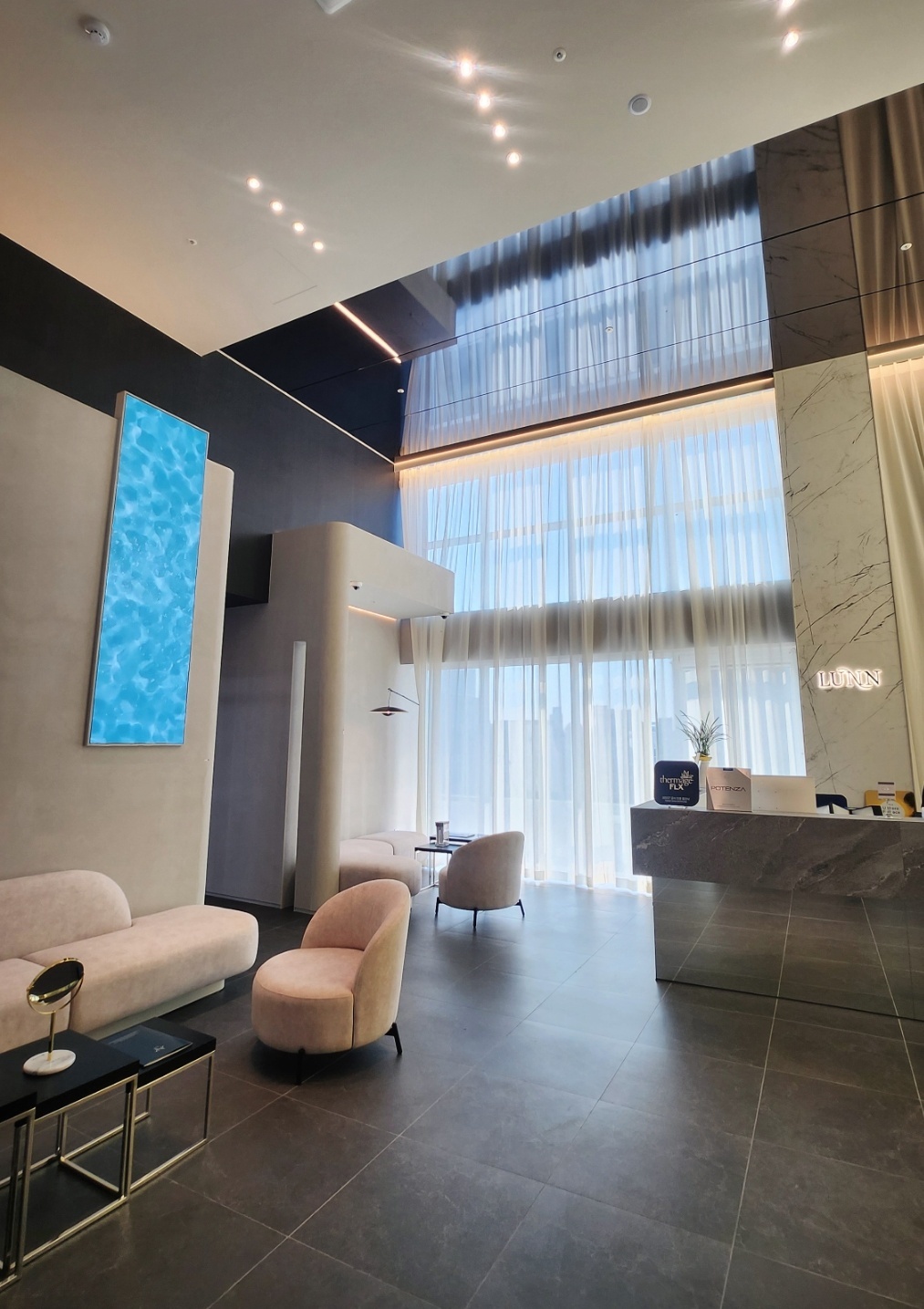
As we navigate 2026, the pursuit of a defined jawline has moved toward precision and individual design, moving away from generic treatments. A double chin can affect one's profile significantly, but through advanced dermatological craftsmanship, we can refine these details to achieve natural harmony. Please note that individual results may vary depending on skin condition and anatomical factors.
Understanding Non-Surgical Double Chin Reduction in Seoul
Non-surgical double chin reduction refers to a category of minimally invasive medical procedures designed to decrease submental fullness and tighten the skin under the jaw without traditional surgery. These treatments utilize various energy sources to target fat volume and stimulate structural proteins like collagen. By focusing on non-invasive methods, patients can address aesthetic concerns with managed recovery periods. At LUNN, I focus on identifying the specific cause of fullness—whether it is excess tissue or loss of elasticity—to recommend the most suitable technological intervention for each unique facial structure.
The Anatomy of a Double Chin: Volume vs. Laxity
A double chin, medically identified as submental fullness, is a complex aesthetic concern that results from either localized adipose tissue accumulation, skin laxity, or a combination of both. In my clinical experience at LUNN, I have observed that age-related collagen depletion significantly contributes to the sagging appearance of the jawline. Furthermore, structural shadows can be created by the relationship between the jawbone and the overlying tissue. Understanding whether the concern is primary fat volume or structural laxity is the first step in facial design. If the issue involves excess volume, we prioritize technologies like ONDA for volume reduction. If it is laxity, we prioritize tightening the SMAS layer or dermis. Precision in this diagnostic phase is what allows for the restoration of a sharp and youthful mandibular contour.
Defining Non-Invasive Energy-Based Technology
Non-invasive skin tightening technology encompasses a variety of energy-based devices that deliver thermal or mechanical energy to the deep layers of the dermis and subcutaneous tissue. These technologies, including High-Intensity Focused Ultrasound (HIFU) and Radiofrequency (RF), aim to trigger a natural healing response that leads to neo-collagenesis. Modern devices such as Ultherapy and Thermage are designed to penetrate specific depths to reach either the SMAS layer or the dermal layers. This deep heating helps to contract existing collagen fibers and stimulate new production over several months. It is important to note that while these treatments are highly effective for many, they do not provide the same results as a surgical neck lift. However, for those seeking gradual and natural-looking improvements, these technologies offer a sophisticated alternative. Each session is carefully calibrated to ensure patient comfort while maximizing the physiological response required for visible skin tightening and contouring.
Benefits of Dermatologist-Led Facial Design at LUNN
Choosing a dermatologist-led approach at LUNN ensures that your double chin treatment is integrated into a comprehensive facial harmony plan. I personally oversee the design process, ensuring that every 1mm of lifting contributes to a balanced profile. The benefit of this specialized care lies in the ability to combine different modalities, such as energy devices and specialized fillers, tailored to the specific density of your skin and fat distribution. We utilize evidence-based protocols where the frequency and intensity of the energy are adjusted based on real-time skin feedback. This level of customization reduces the likelihood of over-treatment, focusing on the specific needs of each patient. By prioritizing the unique proportions of each patient, we aim to enhance the natural jawline without creating an artificial look. Our focus remains on long-term skin health and sustainable beauty, providing a refined aesthetic result that respects the natural aging process.
Leading Technologies for Double Chin Lifting in Korea
Leading technologies for double chin lifting in Korea represent the current state of aesthetic medicine, utilizing advanced physics to modify tissue structure without incisions. At LUNN, we select technologies that have demonstrated consistent safety profiles and predictable results. These tools allow us to address submental fullness with high levels of accuracy, ensuring the energy is delivered exactly where it is needed most.
Ultherapy (HIFU) for Deep Structural Lifting
High-Intensity Focused Ultrasound, specifically Ultherapy, represents a pillar of non-surgical lifting at LUNN. It works by concentrating ultrasound energy at specific focal points to create thermal coagulation zones in the SMAS (Superficial Muscular Aponeurotic System) layer. This effectively tightens the foundation of the skin from within. A typical session lasts between 30 to 60 minutes. While some patients notice an immediate tightening, the full effect develops as collagen undergoes a remodeling cycle over 3 to 6 months. While generally well-tolerated, some patients may experience temporary redness or mild swelling. This deep structural approach is essential for correcting the sagging that contributes to a double chin profile.
ONDA for Volume Reduction and Elasticity
For patients whose double chin is primarily caused by localized volume, the ONDA system offers a specialized solution. Unlike traditional lasers, ONDA utilizes specialized microwaves that target fat cells while simultaneously promoting skin elasticity. This allows for volume reduction and tightening in a single modality. It is a sophisticated alternative for those who want to avoid invasive injections while still addressing the fullness under the jaw. Clinical observations suggest that optimal results often require multiple sessions to achieve the desired contour. Because it targets both volume and the skin surface, it is a versatile tool in our jawline contouring programs, providing a smoother transition between the chin and the neck.
Thermage (RF) for Dermal Density and Texture
Thermage utilizes monopolar radiofrequency to deliver bulk heating to the dermis, which is particularly effective for improving skin density and superficial laxity. While Ultherapy targets the deep foundation, Thermage focuses on the "skin surface and texture." By increasing dermal density, it helps the skin better support the underlying tissues, reducing the appearance of fine lines and "crepey" skin under the chin. At LUNN, I often describe this as the difference between structural repair and surface refinement. The synergy between these devices ensures that the jawline looks both tight and healthy. Patients should be aware that results are gradual, reflecting the natural pace of collagen restoration.
Designing a Multi-Layered Approach for Jawline Harmony
Designing jawline harmony involves a holistic assessment to ensure that the lower third of the face is in proportion with the mid-face. A sharp jawline must complement the chin, cheeks, and neck for a natural appearance. At LUNN, we follow a "Layered Lifting" philosophy where different treatments are applied strategically to different depths of the facial structure. For more information on our philosophy, you can explore our guide on A 2026 Specialist's Guide to Double Chin and Jawline Contouring: Achieving Facial Harmony at LUNN.
The Synergy of Energy-Based Devices
The most effective transformations at LUNN often come from combining Ultherapy, Thermage, and ONDA. I liken this to a home renovation: Ultherapy handles the structural foundation, Thermage improves the wall density (dermis), and ONDA manages the volume and finishing touches. This multi-dimensional approach ensures that the lift is structural and supported, rather than just pulling on the surface skin. It requires clinical judgment to determine the precise energy settings for each layer. This commitment to detail is the foundation of our practice, ensuring that every patient leaves with a result that is both harmonious and enduring.
Facial Volume Restoration with Fillers to Balance the Profile
Facial volume restoration using dermal fillers is often an essential component of jawline design. Sometimes, what appears to be a double chin is actually the result of a recessed chin. By strategically adding volume to the chin area, we can extend the jawline and create a more distinct separation from the neck. At LUNN, we utilize premium fillers, such as Belotero, which are known for their low hydrophilic properties—meaning they draw less water and minimize post-procedure swelling. The effects can last between 12 to 18 months. Combining volume restoration with energy-based lifting ensures that the jawline is not only tight but also properly projected. As with all injectables, there is a small risk of temporary swelling or bruising.
Maintaining Results in Apgujeong Rodeo
Maintaining the results of your jawline contouring at our Apgujeong Rodeo clinic involves a personalized post-care program. As with any medical procedure, potential side effects such as temporary swelling or redness may occur. A well-rounded program includes in-clinic maintenance sessions paired with medical-grade topical products to support the skin barrier. For those seeking long-term harmony, we recommend a layered approach where different treatments are spaced out to allow the skin to respond optimally. This meticulous planning is what sets a specialized clinic apart, as we prioritize quality and the patient's unique aging process. For further reading on selecting the right clinic, see A 2026 Specialist's Guide to Choosing a Specialized Cheongdam Dermatology Clinic for Facial Harmony.
Patient Journey and Safety at a Premium Seoul Clinic
Patient journey and safety at LUNN are defined by rigorous medical standards and transparent communication. Safety is our paramount concern, which is why we only use regulated, evidence-based devices. We place a heavy emphasis on pre-procedure screening to identify any specific risks associated with a patient's medical history. This approach minimizes complications and ensures that aesthetic outcomes are both natural and safe.
Consultation Process for International Patients
The consultation process for international patients at LUNN is designed to be comprehensive yet efficient. We begin with a detailed discussion of the patient's goals and a physical examination of the facial structure—manually checking muscle thickness and fat distribution. I provide a realistic assessment of what can be achieved with non-surgical methods. We offer specialized support for international travelers, including detailed pre-care and post-care instructions. Transparency is key, so we provide an honest breakdown of the plan without using high-pressure sales tactics. This personalized attention ensures that every patient receives the highest standard of dermatological care in a professional environment.
Post-Procedure Care and Potential Side Effects
Post-procedure care is a vital part of the treatment cycle. After a jawline lifting procedure, patients may experience common side effects such as mild swelling, redness, or localized tenderness. These are typically temporary and resolve within a few days. I provide every patient with specific instructions, such as avoiding strenuous exercise or excessive heat (saunas) for a short period. While serious complications are rare, we ensure that patients have a direct line of communication with the clinic. Being aware of these potential reactions and following the recommended care plan allows for a smoother experience and ensures that the skin heals properly, paving the way for the best possible aesthetic outcome.
Frequently Asked Questions
Q. What is the most effective double chin reduction method at LUNN?
The most effective method depends on your specific anatomy. Often, a combination of Ultherapy to tighten the SMAS layer and ONDA to reduce fat volume yields the most harmonious results. By addressing both the structural foundation and the excess volume, we achieve a more defined jawline than a single treatment could provide.
Q. How long do the results of Ultherapy or Thermage typically last?
While individual results vary based on skin type and lifestyle, the effects of these energy-based devices generally maintain their peak for 6 to 12 months. Since the results rely on your body's natural collagen production, maintenance sessions once a year are often recommended to preserve the tightening effects and counter the natural aging process.
Q. Are there any side effects to non-invasive skin tightening technology?
Common temporary side effects include mild swelling, redness, or a slight tingling sensation at the treatment site. These typically resolve within a few days. During your consultation, we will assess your skin sensitivity and medical history to minimize any risks and ensure the treatment is safe for your specific condition.
Q. Can I combine chin fillers with energy-based lifting devices?
Absolutely. In fact, combining fillers with lifting procedures is a hallmark of our facial harmony design. Adding volume to a recessed chin can improve the overall vector of the jawline, making the results of Ultherapy or ONDA look more natural and structurally sound. We use fillers with low water-binding properties to ensure a refined, non-swollen result.
Q. How many sessions are usually required for significant results?
While some patients notice changes after one session of Ultherapy or ONDA, a customized program may recommend 2 to 3 sessions for optimal volume reduction and skin densification. The exact plan depends on the degree of laxity and your personal goals, which we will discuss in detail during your initial consultation.
Key Takeaways
- Double chin reduction requires a multi-layered approach targeting both fat volume and skin laxity for optimal results.
- Non-surgical technologies like Ultherapy, Thermage, and ONDA offer effective alternatives to surgery with manageable recovery times.
- Facial harmony is achieved through customized designs that consider individual bone structure and tissue quality.
- Patient safety and natural-looking outcomes are prioritized through dermatologist-led consultations at LUNN.
- Visible improvements typically develop over 3 to 6 months as the body restores its own collagen support.
I invite you to experience the difference that precision and specialized care can make in your aesthetic journey. For a personal consultation regarding your jawline and facial harmony, please reach out to us at our Apgujeong Rodeo clinic.
LUNN / Dr. Hyoung-kwon Park
Threads: @dr.lunn
FAQ
- What is the most effective double chin reduction non-surgical method in Seoul?
- The most effective method depends on whether the concern is excess fat or skin laxity. Often, a combination of ultrasound lifting and targeted fat reduction yields the most harmonious results. For instance, combining HIFU to tighten the SMAS layer with lipolytic injections to reduce fat volume addresses two different structural issues simultaneously, leading to a more comprehensive improvement.
- How long does a thread lift for the jawline typically last?
- While individual results vary based on skin type and lifestyle, a thread lift generally maintains its effect for 6 to 12 months as the threads gradually dissolve and stimulate collagen. Factors such as the patient's metabolic rate and their adherence to a healthy lifestyle can influence the longevity of the lift. Maintenance treatments can be planned to extend the duration of the results over several years.
- Are there any side effects to non-invasive skin tightening technology?
- Common temporary side effects include mild swelling, redness, or bruising at the treatment site. These typically resolve within a few days without any long-term issues. However, a detailed consultation is necessary to assess individual risks, as every patient's skin sensitivity is different. We provide comprehensive post-care guidance to manage these minor symptoms effectively.
- Is the Re2O laser skin treatment suitable for double chin concerns?
- Yes, Re2O can assist in refining skin texture and providing a tightening effect, often used as part of a comprehensive dermatologist-led facial design. It is particularly useful for patients who have thin or "crepey" skin under the chin that requires dermal densification. While not a primary tool for fat reduction, it enhances the overall aesthetic quality of the jawline area.
- Can I combine facial volume restoration with fillers and a thread lift?
- Absolutely. Combining fillers with lifting procedures helps restore lost volume while tightening the jawline, creating a more balanced and youthful profile. For example, adding volume to a recessed chin can improve the vector of the thread lift, making the results look more natural and structurally sound. This multi-modal approach is a hallmark of premium facial design.
- What should international patients look for in a Korean medical aesthetic clinic?
- International patients should prioritize clinics with board-certified dermatologists, clear communication regarding procedure limitations, and specialized programs for travelers. It is important to look for a clinic that offers personalized consultations rather than a one-size-fits-all approach. Checking for the use of regulated, FDA-approved devices is also a critical step in ensuring safety and quality of care.
- How many sessions are usually required for significant double chin reduction?
- While some see changes after one session, most customized skin care programs recommend 2 to 3 sessions spaced several weeks apart to achieve optimal tightening and fat reduction. The exact number depends on the severity of the laxity and the specific technology being used. I provide a personalized treatment plan during the initial consultation to set clear expectations for the patient's journey.