
Post
What Makes a Dermatologist’s Approach to Filler Different from a Surgeon’s?
In the field of aesthetic medicine, dermal fillers serve as a versatile tool for restoring lost volume and refining facial contours through a minimally invasive approach.
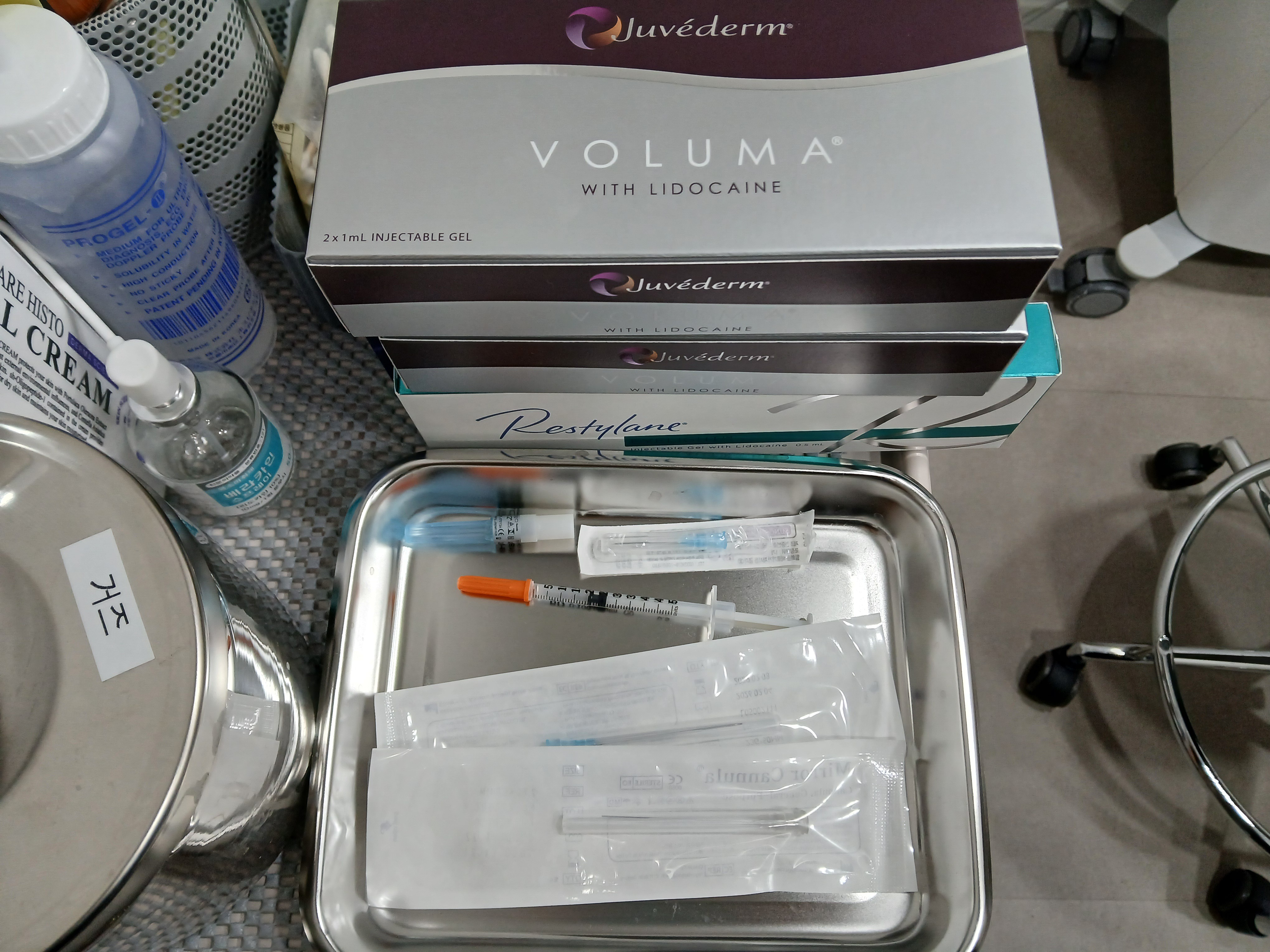
I am Dr. Park Hyung-kwon, a dermatologist at LUNN, and I believe that achieving natural harmony requires a deep understanding of how various materials interact with the unique biological layers of the skin. While both dermatologists and surgeons utilize fillers, their foundational philosophies often diverge based on their clinical training and primary objectives. This guide explores the specific nuances of dermatologist-led facial design, emphasizing the importance of precision, skin health, and long-term maintenance in the pursuit of aesthetic balance.
Understanding the Medical Philosophy of Dermal Fillers
Dermal fillers are injectable substances, often composed of hyaluronic acid, designed to add volume to depleted areas and smooth the appearance of deep folds or wrinkles. Unlike permanent surgical implants, these treatments offer a dynamic way to address the signs of aging by mimicking the natural substances found in the human body.
The Core Principles of Medical Aesthetics in Dermatology
As a board-certified dermatologist at LUNN, my philosophy centers on the synergy between biological skin health and aesthetic refinement. In the year 2026, the medical aesthetics market continues to reflect an increasing preference for subtle, non-surgical enhancements. Dermatologists prioritize the physiological response of the dermis to foreign substances, ensuring that the material integrates seamlessly with the surrounding tissue. This involves selecting specific rheological properties—such as G' (elastic modulus) and G'' (viscous modulus)—to match the targeted anatomical site. For instance, I often utilize low-hydrophilic fillers, such as Belotero, to minimize post-procedural swelling (Tyndall effect) in delicate areas. By focusing on the structural integrity of the skin, we aim to provide results that respect the natural movement of the face, minimizing the risk of an overfilled appearance that can occur when biological factors are overlooked during the injection process.
Why Expertise Matters in Facial Volume Restoration
Expertise in facial volume restoration involves more than just the mechanical act of injection; it requires a comprehensive understanding of three-dimensional facial anatomy. Clinical experience indicates that a common reason patients seek revision treatments is because of initial placement that ignored underlying muscle movements. A dermatologist evaluates how the filler will behave under various emotional expressions, ensuring that the volume remains natural whether the patient is smiling or at rest. This attention to detail is particularly critical in areas like the tear troughs, where 'shadow erasing' depends on addressing the tear trough ligament. By utilizing precise layering techniques, a specialist can minimize trauma to the vascular system. It is important to note that while fillers are highly effective, potential side effects such as temporary swelling, bruising, or redness at the injection site can occur, necessitating a careful medical consultation to determine the appropriate plan for each individual.
Defining the Non-Invasive Approach to Facial Enhancement
The non-invasive approach to facial enhancement is defined by its focus on gradual improvement and minimal disruption to the patient's daily lifestyle. At LUNN, we utilize fillers to address the 'cascading' effect of aging, where volume loss in the upper face leads to sagging in the lower face. Rather than pulling the skin tight through surgical means, we restore the underlying support structures to lift the tissue naturally. This method allows for a 'liquid lift' effect that can be adjusted over time as the face continues to age. However, the effectiveness of this approach depends heavily on the patient's existing skin elasticity and the specific type of volume loss. We often recommend a multi-session approach to ensure that the skin has time to adapt to the new volume, prioritizing safety and a conservative aesthetic above all else.
Dermatologist-Led Facial Design vs. Surgical Structural Shifts
Dermatologist-led facial design focuses on the interplay between skin texture, light reflection, and subcutaneous volume to create a radiant and youthful appearance. While surgical shifts often involve permanent alterations to bone or deep fascia, the dermatological perspective emphasizes the refinement of the skin's surface and its immediate underlying layers.
Focusing on Skin Layer Management and Texture Refinement
A primary differentiator in the dermatological approach is the simultaneous focus on skin quality alongside volume restoration. While a surgeon might view a filler as a tool for structural change, a dermatologist considers how the injection affects the dermis's overall health. Research into regenerative medicine has highlighted that certain fillers can improve the dermal environment over time. This dual benefit means that while the patient sees immediate volume, they also experience improvements in skin firmness. At LUNN, we address the 'shadows' created by volume loss, which often contribute more to an aged appearance than wrinkles alone. By smoothing these transitions, we enhance the skin's ability to reflect light, providing a healthy glow that surgical procedures focused purely on structural repositioning may not always address directly.
The Science of 1mm Details and Natural Facial Harmony
In the realm of facial aesthetics, the difference between a natural result and an artificial one often lies in a mere 1mm of placement. Dermatologists specialize in this level of precision, focusing on the subtle transitions between different facial zones. Precise filler placement in the lateral malar area can significantly improve the perceived lift and elasticity of the lower face without direct intervention in the jawline. It is important to note that these results are based on specific clinical cases and individual outcomes may vary depending on the patient's unique facial structure. This 'indirect lifting' technique is a hallmark of Dermatologist-Led Facial Design: Achieving Structural Harmony and Radiant Skin in Cheongdam. By respecting the 'Golden Ratio' while also accounting for individual variations in facial symmetry, we create a bespoke plan for every patient. This meticulous approach is designed to minimize the risk of fillers migrating or creating unnatural bulges, though individual anatomical responses may vary. Patients should be aware that achieving this level of detail may require multiple syringes or sessions, and maintenance is required as the body naturally metabolizes the filler material over several months.
Utilizing Advanced Non-Invasive Skin Tightening Technology
To complement the volumizing effects of fillers, dermatologists often incorporate advanced skin tightening technologies that use ultrasound or radiofrequency energy, such as Ultherapy, Thermage, or ONDA. In 2026, the integration of these energy-based devices with injectables has become a standard protocol for comprehensive facial rejuvenation. For example, using Ultherapy can tighten the SMAS layer, providing a firm foundation for the filler to sit upon. This synergy prevents the 'heavy' look that can occur when fillers are used alone on lax skin. At LUNN, we evaluate the skin's thickness and elasticity to decide if a tightening procedure should precede or follow the filler treatment. This holistic view ensures that the result is not just a filled face, but a structurally sound and youthful one. It is essential to recognize that individual responses to these technologies vary, and some patients may experience temporary erythema or mild edema following combined treatments, which typically resolves within a few days under proper clinical supervision.
Comparing Approaches: Dermatology Clinic vs. Surgery Center
Choosing between a dermatology clinic and a surgery center depends on the patient's desired outcome, tolerance for downtime, and the specific nature of their facial aging. While surgery offers dramatic, long-lasting changes, dermatology provides a refined, adjustable, and preventive approach to facial harmony.
A Comparison Table of Clinical Goals and Procedural Techniques
The following table outlines the general differences in clinical priorities and techniques between the two disciplines. At LUNN, we focus on the nuances of the dermatological column to provide tailored, non-surgical solutions.
| Feature | Dermatology Clinic (LUNN) | Plastic Surgery Center |
|---|---|---|
| Primary Clinical Goal | Skin-layer harmony and texture refinement | Significant structural or anatomical alteration |
| Typical Technique | Precise multi-layering and micro-droplets | Broad structural reshaping or tissue excision |
| Complementary Care | Skin boosters, Ultherapy, Thermage, and ONDA | Surgical repositioning and invasive lifting |
| Procedure Duration | Generally 30–60 minutes per session | Varies; often several hours for surgery |
| Recovery Profile | Minimal downtime; manageable swelling | Varies by procedure; may involve healing time |
| Result Adjustability | High (fillers can often be dissolved) | Permanent (requires revision for changes) |
| Anesthesia Type | Topical numbing or local anesthetic | Often requires IV sedation or general anesthesia |
Long Term Skin Health and Maintenance Strategies
Long-term maintenance is a cornerstone of the dermatological approach, where the goal is to manage the aging process gracefully over decades. Longitudinal studies show that patients who engage in regular, low-volume filler maintenance every 9 to 12 months maintain a more consistent appearance compared to those who seek high-volume corrections every few years. This 'maintenance' philosophy allows for adjustments as the patient's facial structure naturally changes with age. We view fillers as part of a broader skin health ecosystem that includes sun protection, topical retinoids, and periodic professional treatments. By avoiding over-correction in a single session, we preserve the patient's unique facial character while addressing the specific deficits caused by time. It is important to remember that filler longevity is influenced by the patient's metabolic rate and the mobility of the treated area; for instance, fillers in the lips typically dissipate faster than those in the cheeks, requiring more frequent clinical reviews.
The Role of Skin Boosters in Complementing Filler Results
Skin boosters, which are micro-injections of hyaluronic acid or polynucleotides, play a vital role in the dermatological toolkit by improving the 'canvas' on which fillers are placed. Patients often report higher satisfaction when fillers are combined with skin hydration therapies. While fillers provide the volume, skin boosters enhance the hydration, elasticity, and radiance of the epidermis. This combined approach, often discussed in our Professional Guide to Lifting Treatments in Seoul: Achieving Facial Harmony at LUNN, ensures that the skin looks as healthy as the facial structure looks youthful. At LUNN, we often use skin boosters to refine the final result, smoothing out fine superficial lines that traditional fillers might be too thick to address. This multi-modality strategy requires a sophisticated understanding of skin chemistry and injection depth to avoid complications. Patients should note that skin boosters involve multiple injection points, which can lead to temporary papules or 'bumps' that usually disappear within 24 to 48 hours.
Achieving Personalized Results at an Apgujeong Rodeo Dermatology Clinic
Located in the heart of Seoul's aesthetic district, an Apgujeong Rodeo dermatology clinic offers a unique blend of high-end service and cutting-edge medical technology. The focus here is on bespoke treatments that cater to a discerning global clientele seeking sophisticated non-surgical rejuvenation.
Tailored Treatment Plans for International Patients in Seoul
For international patients visiting Seoul in 2026, LUNN provides comprehensive consultations that account for diverse aesthetic ideals and anatomical variations. Dermatological expertise in Seoul is characterized by a preference for natural, dewy, and harmonious results. We understand that different ethnicities may have different bone structures and skin thicknesses, which directly impacts filler selection and injection technique. Our tailored plans often involve a detailed analysis where we identify the specific shadows and volume deficits unique to the patient. This global perspective ensures that our treatments enhance the patient's natural beauty without conforming to a one-size-fits-all standard. While we strive for excellence, we always communicate that results can vary based on individual healing capacity, and we provide detailed post-care instructions to ensure the best possible transition during the recovery phase.
Synergy with Lifting Devices for Enhanced Definition
In cases where volume loss is accompanied by significant skin laxity, we often integrate fillers with lifting devices like Ultherapy or Thermage to achieve enhanced definition. This combination is particularly effective for the jawline and neck area, where fillers alone might lack the necessary tension to create a sharp contour. By utilizing energy-based devices to tighten the underlying tissue and then using fillers to restore the lost volume, we achieve a result that is greater than the sum of its parts. This synergy is a key component of our Professional Guide to Non-Surgical Face Lift in Seoul: A 2026 Perspective from LUNN. This integrated approach provides a non-surgical alternative for those who are not yet ready for a traditional facelift. It is important to mention that combined treatments may require a structured timeline, and patients should expect a short period of mild swelling or sensitivity following energy-based procedures.
Safety Protocols and Managing Individual Clinical Variations
Safety is the paramount consideration at LUNN, where we adhere to strict medical protocols to manage the risks associated with injectable treatments. Although rare, serious complications such as vascular occlusion can occur if a filler is inadvertently injected into a blood vessel. To mitigate this, we rely on extensive manual and visual analysis of the patient's facial structure, muscle thickness, and vascular location before any treatment. In 2026, my approach remains centered on 'consistent responsibility,' where I personally conduct everything from the initial consultation to the final injection. We also conduct thorough medical history reviews to screen for contraindications such as active infections or certain autoimmune conditions. Every patient's anatomy is unique, and what works for one individual may not be suitable for another. By prioritizing medical evidence and clinical precision, we manage individual variations with the highest level of care, ensuring that every treatment plan is as safe as it is aesthetically effective.
Key Takeaways
- Philosophical Difference: Dermatologists focus on skin-layer integration and texture, while surgeons often prioritize structural or bone-level changes.
- Precision and Harmony: The dermatological approach emphasizes 1mm details and natural facial movement to avoid an overfilled or artificial look.
- Integrated Care: Combining fillers with skin boosters or energy devices like Ultherapy, Thermage, and ONDA at LUNN provides a holistic result that addresses both volume and skin quality.
- Safety and Adjustability: Non-surgical filler treatments offer the advantage of being adjustable and often reversible, with lower downtime compared to surgery.
- Personalized Maintenance: Long-term results are achieved through regular, subtle maintenance that evolves with the patient's natural aging process.
Frequently Asked Questions
Q. What is the primary difference between a dermatologist and a surgeon when performing fillers?
A dermatologist typically focuses on the interaction between the filler and skin layers to achieve harmony and texture refinement. Conversely, a surgeon may approach the procedure from a structural or anatomical perspective similar to surgical modification, often focusing on deeper tissue repositioning. At LUNN, we prioritize how the filler integrates with the dermis to ensure natural facial movement.
Q. Is dermatologist-led facial design safer than other options?
Safety depends largely on the specific practitioner's expertise and the thoroughness of their diagnostic protocol. At LUNN, we emphasize manual and visual analysis of facial structures, muscle thickness, and fat distribution to ensure precise placement. While this minimizes risks, individual results and potential side effects like temporary swelling or bruising can still vary among patients.
Q. Can I combine fillers with energy-based lifting devices at a Seoul dermatology clinic?
Yes, combining facial volume restoration with devices like Ultherapy, Thermage, or ONDA is a very common approach in Seoul clinics to address both volume loss and skin laxity. This combination provides a more comprehensive, non-surgical result by creating a structural lift while simultaneously restoring youthful contours. It is an excellent option for those seeking significant improvement without invasive surgery.
Q. What are the common risks or side effects associated with dermal fillers?
Common side effects include temporary redness, swelling, or bruising at the injection site, which usually resolve within a few days. Rare but serious risks such as vascular occlusion or infection can occur, which is why choosing an experienced dermatologist who personally manages the entire treatment process is essential. We always discuss these possibilities during the initial consultation.
Q. How long do the results of facial volume restoration typically last?
Longevity depends on the type of filler used, the area treated, and the individual's unique metabolism. Generally, results can last between 6 to 18 months, with lip fillers often dissipating faster than cheek or chin fillers. Regular maintenance sessions are typically recommended to sustain the desired aesthetic as the material is naturally metabolized.
Q. Why is the Apgujeong Rodeo area popular for dermatology treatments?
The Apgujeong Rodeo area is globally recognized for high-end clinics like LUNN that offer personalized, detail-oriented care. The concentration of board-certified specialists and advanced medical aesthetic technologies makes it a hub for patients seeking natural and sophisticated results. It provides a standard of care that caters to both local and international expectations.
Q. Are there people who should not receive dermal fillers?
Fillers may not be suitable for individuals with certain autoimmune conditions, active skin infections, or known allergies to filler components like lidocaine or hyaluronic acid. A thorough medical history review and consultation with a professional are necessary to determine eligibility. We prioritize patient safety and will recommend alternative treatments if fillers are not appropriate.
LUNN / Dr. Park Hyung-kwon
FAQ
- What is the primary difference between a dermatologist and a surgeon when performing fillers?
- A dermatologist typically focuses on the interaction between the filler and skin layers to achieve harmony and texture refinement. Conversely, a surgeon may approach the procedure from a structural or anatomical perspective similar to surgical modification, often focusing on deeper tissue repositioning. At lunnclinic, we prioritize how the filler integrates with the dermis to ensure natural facial movement.
- Is dermatologist-led facial design safer than other options?
- Safety depends largely on the specific practitioner's expertise and the technology used. At lunnclinic, we emphasize medical evidence, precise layering, and often use skin ultrasound to visualize vascular structures before injecting. While this minimizes risks, individual results and potential side effects like temporary swelling or bruising can still vary among patients.
- Can I combine fillers with a thread lift at a Seoul dermatology clinic?
- Yes, combining facial volume restoration with a thread lift is a very common approach in Seoul clinics to address both volume loss and skin laxity. This combination provides a more comprehensive, non-surgical result by creating a structural lift while simultaneously restoring youthful contours. It is an excellent option for those seeking significant improvement without invasive surgery.
- What are the common risks or side effects associated with dermal fillers?
- Common side effects include temporary redness, swelling, or bruising at the injection site, which usually resolve within a few days. Rare but serious risks such as vascular occlusion or infection can occur, which is why choosing an experienced dermatologist who follows strict safety protocols is essential. We always discuss these possibilities during the initial consultation.
- How long do the results of facial volume restoration typically last?
- Longevity depends on the type of filler used, the area treated, and the individual's unique metabolism. Generally, results can last between 6 to 18 months, with lip fillers often dissipating faster than cheek or chin fillers. Regular maintenance sessions are typically recommended to sustain the desired aesthetic as the material is naturally metabolized.
- Why is the Apgujeong Rodeo area popular for dermatology treatments?
- The Apgujeong Rodeo area is globally recognized for high-end clinics like lunnclinic that offer personalized, detail-oriented care. The concentration of board-certified specialists and advanced medical aesthetic technologies makes it a hub for patients seeking natural and sophisticated results. It provides a standard of care that caters to both local and international expectations.
- Are there people who should not receive dermal fillers?
- Fillers may not be suitable for individuals with certain autoimmune conditions, active skin infections, or known allergies to filler components like lidocaine or hyaluronic acid. A thorough medical history review and consultation with a professional are necessary to determine eligibility. We prioritize patient safety and will recommend alternative treatments if fillers are not appropriate.