
Post
Addressing Facial Asymmetry with Botox: A Structural Design Perspective
Hello, I am Dr. Hyung-kwon Park, a board-certified dermatologist at LUNN. Facial asymmetry is often a subtle but impactful concern involving a complex interplay between bone structure, fat distribution, and muscular activity. At LUNN, which stands for Luminary, Ultimate, Novelty, and Nobility, we aim to be a 'shining guide' for our patients, focusing on the core philosophy of 'Refining the Details. Achieving Perfect Harmony.' In this guide, we explore how a structural approach to Botox can effectively rebalance these features for a more harmonious appearance.
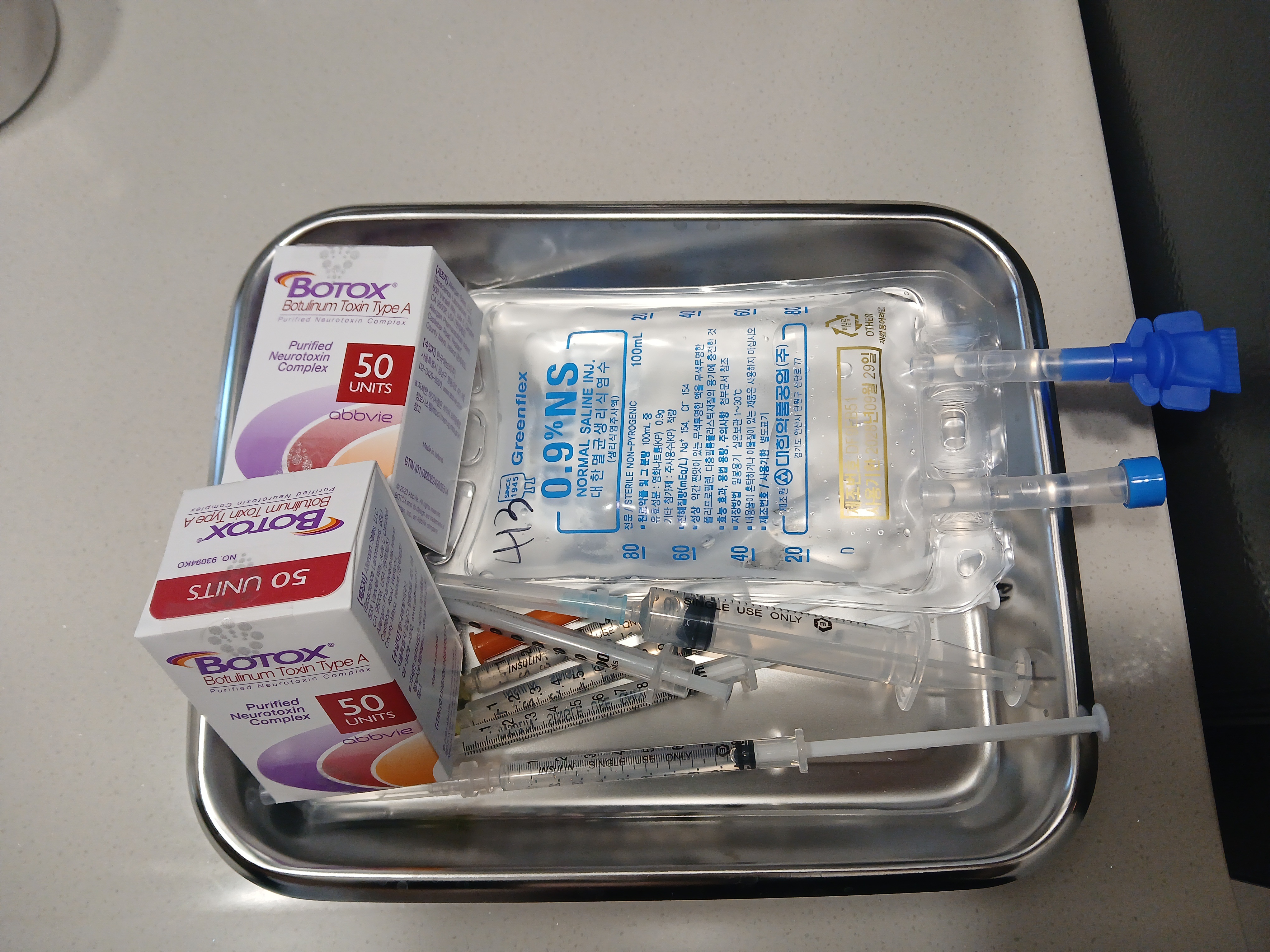
Understanding the Structural Approach to Facial Asymmetry with Botox
A structural approach to facial asymmetry focuses on the underlying muscular dynamics and how individual facial muscles interact to create your unique profile. Instead of simply treating wrinkles, this methodology involves analyzing the strength, volume, and pull of various muscle groups to restore equilibrium to the face.
Muscular Asymmetry and Structural Dynamics
Facial asymmetry is an incredibly common phenomenon, with clinical observations suggesting that many individuals possess measurable differences between the left and right sides of their face. These discrepancies are frequently rooted in muscular habits rather than purely skeletal variations. For example, a dominant chewing habit can lead to a significant increase in masseter muscle volume on one side compared to the other. At LUNN, we emphasize the importance of identifying these functional patterns. By evaluating the various facial muscles that control our expressions, we can pinpoint which areas are overactive or underdeveloped. This structural understanding is vital because treating the superficial symptom without addressing the underlying muscular pull can lead to unnatural results. Our goal is to use neuromodulators to subtly shift the visual weight of the face, ensuring that each movement remains fluid while moving toward a more centered and balanced aesthetic profile. However, it is important to note that results vary between individuals and a thorough assessment is required.
The Science of Neuromodulators in Rebalancing Facial Features
Neuromodulators work by inhibiting the release of acetylcholine, the neurotransmitter responsible for muscle contraction. When applied with a structural focus, this mechanism allows us to selectively relax muscles that are pulling the face into an asymmetrical state. For instance, if one side of the forehead is hyperactive, it may lift one eyebrow higher, creating a visible discrepancy that affects the entire upper face. By precisely dosing the treatment at specific points, we can calibrate the muscle's resting tone. At LUNN, we utilize advanced mapping techniques to ensure that the reduction in muscle activity is proportionate to the desired correction. This scientific calibration is essential for maintaining natural animation. The onset of these changes typically begins within 3 to 7 days, with full results stabilizing by the 14-day mark. Understanding the biological limit of each muscle allows for a safer, more predictable refinement of facial harmony.
Why a Dermatologist-Led Structural Approach Matters
Precision in neuromodulation requires more than just following a standard injection grid. It demands an intimate knowledge of facial anatomy and the ability to predict how relaxing one muscle will affect its neighbors. A dermatologist-led approach at LUNN ensures that every treatment is preceded by physical palpation to assess muscle density and resistance. This level of detail is critical because a 1mm deviation in placement can be the difference between a successful lift and an unwanted droop. The Importance of Physical Palpation in Professional Dermatological Consultation (2026) explains why this tactile assessment is the foundation of clinical excellence. We focus on a customized approach tailored to each individual's unique facial architecture. By considering factors like skin elasticity and underlying muscle tension, we provide a treatment plan that respects your individual anatomy while striving for long-term structural balance and refined facial symmetry.
Dermatologist-Led Facial Design for Symmetrical Harmony
Facial design for symmetry involves a comprehensive evaluation of muscle hypertrophy and the mapping of injection sites to achieve a balanced look. This process ensures that the treatment is tailored to the specific anatomical needs of the patient, minimizing risks and maximizing the natural aesthetic outcome.
Assessing Individual Muscle Strength and Hypertrophy
Before any injection occurs, we perform a rigorous assessment of muscle hypertrophy, particularly in the lower face and periorbital regions. In many cases, patients presenting with a wider jaw on one side are found to have a masseter thickness that varies significantly between sides. At LUNN, we use active expression testing to see how muscles behave under tension. This allows us to determine the minimum effective dose required to achieve balance without causing excessive weakness. Correctly identifying muscle strength is essential to achieving a natural look and lowering the risk of developing resistance over time. We also consider the time dedicated to final anatomical verification as critical for ensuring safety. This objective data collection ensures that the structural correction is based on facts rather than generalized assumptions, leading to more consistent and satisfying clinical outcomes for our patients.
Customized Treatment Mapping for Natural Outcomes
Natural outcomes are the result of customized mapping that avoids a one-size-fits-all mentality. Each injection site is chosen based on the patient's specific facial vectors and the desired direction of muscle relaxation. At LUNN, we design a map that accounts for the synergistic relationship between different muscle groups. Customized mapping is designed to enhance the precision of the treatment and align with the specific anatomical needs of each patient. We focus on subtle corrections that respect the fine details that often define a natural appearance. This meticulous planning also involves considering the patient's age and skin quality, as these factors influence how the muscle relaxation translates to the surface. By prioritizing the structural foundation, we ensure that the results are not only symmetrical but also deeply integrated with the patient's unique facial character.
Apgujeong Rodeo Dermatology Clinic Insights on Facial Balance
Located in the heart of the Apgujeong Rodeo area, LUNN embodies a philosophy of refined luxury and clinical precision. We believe that true beauty is found in the balance between the forehead and the chin, and our structural Botox treatments are designed to achieve this harmony. Our insights suggest that many patients seeking asymmetry correction benefit from a multi-layered approach that addresses different depths of the muscle tissue. This perspective is particularly important in high-standard environments where patients expect discreet yet effective improvements. We ensure that our clinical environment reflects this commitment to detail, providing a serene space with a 5-meter ceiling for focused consultation. By maintaining a high level of physician consistency where I personally oversee everything from consultation to treatment, we offer a specialized experience that prioritizes your aesthetic goals. Our structural approach is a testament to the belief that dermatological care should be as unique as the individuals we treat in our Cheongdam clinic.
Comparing Structural Botox with Alternative Non-Invasive Technologies
Understanding how Botox interacts with other non-invasive technologies is key to choosing the right treatment plan. While Botox is commonly used for muscular concerns, other methods like Ultherapy, Thermage, or fillers may be considered for concerns related to skin laxity or volume loss, depending on the individual's anatomical needs.
| Treatment Option | Primary Target | Mechanism of Action | Ideal For |
|---|---|---|---|
| Structural Botox | Overactive Muscles | Neuromodulation | Muscular asymmetry, jawline slimming |
| Ultherapy (HIFU) | SMAS Layer | Focused Ultrasound | Skin sagging, deep structural lifting |
| Dermal Fillers | Volume Deficiency | Hyaluronic Acid/PDLLA | Sunken cheeks, chin projection |
| Thermage | Dermis Layer | Radiofrequency | Skin tightening, fine lines, texture |
Botox vs. Energy-Based Lifting for Lower Face Refinement
Choosing between Botox and energy-based lifting like Ultherapy depends on whether the asymmetry is caused by muscle volume or tissue sagging. Botox is a frequent option for masseter hypertrophy, which can create a heavy or uneven jawline due to muscle bulk. In contrast, Ultherapy may be considered for correcting asymmetry caused by tissue descent, where one side of the face has more sagging than the other. At LUNN, we often find that a combination approach can provide effective structural support for certain patients. While Botox relaxes the overactive muscles, Ultherapy targets the SMAS layer for structural lifting. How to Prepare Your Skin Barrier Before Laser Lifting: A Specialist's Guide to Facial Harmony highlights the importance of overall skin health when considering these lifting procedures. By distinguishing between these two distinct causes of asymmetry, we can provide a more accurate and effective treatment plan that addresses the root of the patient's concerns.
Synergy Between Botox and Facial Volume Restoration with Fillers
There is a powerful synergy between Botox and dermal fillers when it comes to structural restoration. While Botox manages the dynamic muscle movements that cause asymmetry, fillers address the static volume loss that often exacerbates the look of an uneven face. For example, if a patient has a flatter cheek on one side, adding an appropriate volume of filler can provide the necessary volume to match the other side. This combined approach is discussed in The Logic of Skin Booster Synergy: My Scientific Approach to Non-Surgical Anti-Aging, where we explore how different treatments work together. At LUNN, we utilize this synergy to create a comprehensive facial design. By balancing the underlying muscle activity first, we ensure that the filler remains in a stable environment, leading to more natural-looking results. This holistic perspective allows us to address asymmetry from multiple anatomical layers, resulting in a cohesive and balanced appearance.
Addressing Masseter Hypertrophy for Enhanced Profile Symmetry
Profile symmetry is often affected by the distribution of muscle bulk and soft tissue in the lower face. While Botox is not a fat-reduction treatment, it is highly effective at reducing the volume of the masseter muscles, which can significantly refine the jawline's profile. At LUNN, we assess how the muscle structure of the lower face contributes to the overall perception of the jawline. By precisely targeting overactive muscles, we can slim the jawline for a more balanced look. It is important to note that results vary between individuals, and multiple sessions may be required for optimal outcomes. We provide a realistic assessment of what can be achieved, ensuring that patients are well-informed about the potential benefits and the limitations of their treatment plan. This detailed attention to the profile ensures that facial harmony is maintained from every angle.
The Clinical Protocol and Patient Experience at LUNN
The clinical protocol at our clinic is designed to ensure safety and precision at every step of the patient journey. From the initial detailed facial analysis to the long-term management of your structural balance, we prioritize a professional and evidence-based approach.
Preparation and Detailed Facial Analysis in Cheongdam
The process begins with a comprehensive analysis in our Cheongdam clinic, where we map out the unique landscape of your facial muscles. This preparation phase is crucial for identifying the specific vectors of asymmetry. We utilize both visual assessment and physical palpation to create a digital or mental map of the injection sites. At LUNN, I believe that taking the time to understand the patient's functional habits is as important as the injection itself. This analysis involves observing the face at rest and during various expressions to capture the full range of muscle activity. By documenting these patterns, we can establish a baseline for measuring progress. This rigorous preparation helps to manage patient expectations and ensures that the structural design is tailored to their specific needs. We emphasize a conservative start, often focusing on the most significant areas of asymmetry first to allow the face to adjust naturally.
Managing Risks and Potential Limitations of Asymmetry Correction
While structural Botox is an effective tool, it is essential to discuss potential risks and limitations openly. Common side effects may include temporary redness, mild swelling, or bruising at the injection site, which typically resolve within a few days. In some cases, there is a risk of temporary over-correction or minor asymmetry if the muscle response differs from what was anticipated. At LUNN, we mitigate these risks through precise dosing and a deep understanding of anatomy. However, it is important to realize that Botox cannot correct asymmetry caused by skeletal structure or major nerve damage. Individual variations in muscle anatomy mean that results can never be guaranteed, and a follow-up appointment is vital for making any necessary refinements. We prioritize patient safety and transparency, ensuring that you understand the balance between the benefits and the inherent limitations. By maintaining this honest dialogue, we build a foundation of trust for your journey toward facial harmony.
Maintenance and Long-Term Structural Management
Maintaining the results of structural Botox requires a long-term management plan, as the effects typically last between 3 to 6 months. Because muscles have a memory, consistent treatments at LUNN can eventually lead to a more permanent state of balance as overactive muscles gradually weaken over time. We recommend a schedule that aligns with your natural muscle recovery period, usually every 4 months, to maintain the structural correction. This proactive approach prevents the muscles from returning to their previous asymmetrical state. We also advise patients on post-treatment care, such as avoiding strenuous exercise for 24 hours to ensure the product stays in the targeted muscles. Long-term management at our clinic is not just about repeated injections; it is about the continuous refinement of your facial design. As you age, your facial structure changes, and our commitment is to adapt your treatment plan to ensure lasting harmony and a naturally refreshed appearance.
Key Takeaways
- Structural Focus: Asymmetry is primarily addressed by rebalancing the underlying muscular pull rather than just filling wrinkles.
- Precision Dosing: Accurate assessment of muscle hypertrophy allows for personalized dosages that preserve natural expression.
- Dermatologist-Led Care: Specialist palpation and anatomical knowledge are essential for navigating the fine differences in facial design.
- Synergistic Results: Combining Botox with fillers or lifting technologies like Ultherapy can provide a more comprehensive solution for complex asymmetry.
- Long-Term Strategy: Consistent maintenance helps train muscles for a more balanced resting state over time.
Frequently Asked Questions
Q. What is the primary cause of facial asymmetry that Botox can address?
Botox is most effective for asymmetry caused by muscle imbalances, such as uneven chewing habits leading to masseter hypertrophy or dominant facial expressions that pull features to one side. It works by temporarily relaxing overactive muscles to create a more balanced appearance. This structural rebalancing is particularly helpful for those with functional habits that have shaped their facial profile over years.
Q. How does a structural approach differ from standard cosmetic Botox?
A structural approach focuses on the underlying anatomy and how muscles interact with one another rather than just smoothing wrinkles. It involves precise dosing and placement to shift the visual weight of the face, requiring a deep understanding of facial design and muscle density. At LUNN, this involves a tactile assessment and a bespoke mapping of your unique facial architecture.
Q. Can Botox fix asymmetry caused by bone structure?
Botox cannot change the underlying skeletal structure of the face. However, it can often camouflage minor bone-related asymmetry by adjusting the soft tissue and muscle volume overlying the bone. A thorough consultation is necessary to determine whether the root cause is skeletal or muscular, and what realistic improvements can be achieved through neuromodulation.
Q. What are the common risks or side effects of using Botox for asymmetry?
Common side effects include temporary redness, mild swelling, or bruising at the injection site, which are generally mild. In some cases, temporary over-correction or slight drooping can occur if the muscle response differs from expectations, which is why follow-up appointments are vital for refinement. Choosing an experienced dermatologist at LUNN significantly reduces these risks through precise anatomical targeting.
Q. How long do the results of structural Botox last?
Typically, results for facial asymmetry last between three to six months, depending on the individual's metabolism and muscle activity. Because muscles have a memory, consistent treatments over time may lead to longer-lasting balance as the overactive muscles gradually weaken and become less dominant. Most patients find that a maintenance schedule every 4 months provides the most consistent aesthetic results.
Q. Is there any downtime after the procedure?
Recovery time is generally short, allowing most patients to return to their daily routines shortly after the procedure. However, patients are advised to avoid strenuous exercise for 24 hours and to avoid lying down flat for 4 to 6 hours after the procedure. These precautions ensure that the neuromodulator remains in the targeted area and provides the best possible results.
Q. When should I consider Ultherapy or Thermage instead of Botox for asymmetry?
Energy-based lifting like Ultherapy or Thermage is often more appropriate when asymmetry is caused by sagging skin or tissue laxity rather than muscle activity or bulk. If one side of your face appears lower due to gravity and loss of elasticity, these technologies can provide a structural lift that Botox cannot. In many cases, a dermatologist may recommend a combination of both for comprehensive facial harmony.
LUNN / Dr. Hyung-kwon Park
FAQ
- What is the primary cause of facial asymmetry that Botox can address?
- Botox is most effective for asymmetry caused by muscle imbalances, such as uneven chewing habits leading to masseter hypertrophy or dominant facial expressions that pull features to one side. It works by temporarily relaxing overactive muscles to create a more balanced appearance. This structural rebalancing is particularly helpful for those with functional habits that have shaped their facial profile over years.
- How does a structural approach differ from standard cosmetic Botox?
- A structural approach focuses on the underlying anatomy and how muscles interact with one another rather than just smoothing wrinkles. It involves precise dosing and placement to shift the visual weight of the face, requiring a deep understanding of facial design and muscle density. At lunnclinic, this involves a tactile assessment and a bespoke mapping of your unique facial architecture.
- Can Botox fix asymmetry caused by bone structure?
- Botox cannot change the underlying skeletal structure of the face. However, it can often camouflage minor bone-related asymmetry by adjusting the soft tissue and muscle volume overlying the bone. A thorough consultation is necessary to determine whether the root cause is skeletal or muscular, and what realistic improvements can be achieved through neuromodulation.
- What are the common risks or side effects of using Botox for asymmetry?
- Common side effects include temporary redness, mild swelling, or bruising at the injection site, which are generally mild. In some cases, temporary over-correction or slight drooping can occur if the muscle response differs from expectations, which is why follow-up appointments are vital for refinement. Choosing an experienced dermatologist at lunnclinic significantly reduces these risks through precise anatomical targeting.
- How long do the results of structural Botox last?
- Typically, results for facial asymmetry last between three to six months, depending on the individual's metabolism and muscle activity. Because muscles have a memory, consistent treatments over time may lead to longer-lasting balance as the overactive muscles gradually weaken and become less dominant. Most patients find that a maintenance schedule every 4 months provides the most consistent aesthetic results.
- Is there any downtime after the procedure?
- There is minimal downtime, allowing most patients to return to their daily routines immediately after the 10-minute to 15-minute procedure. However, patients are advised to avoid strenuous exercise for 24 hours and to avoid lying down flat for 4 to 6 hours after the procedure. These precautions ensure that the neuromodulator remains in the targeted area and provides the best possible results.
- When should I consider thread lifting instead of Botox for asymmetry?
- Thread lifting is often more appropriate when asymmetry is caused by sagging skin or tissue laxity rather than muscle activity or bulk. If one side of your face appears lower due to gravity and loss of elasticity, threads can provide a mechanical lift that Botox cannot. In many cases, a dermatologist may recommend a combination of both for comprehensive facial harmony.