
Post
Treating the Shadow Effect in the Aging Eye Area: A Specialist Guide by Dr. Hyung-kwon Park
Hello, I am Dr. Hyung-kwon Park, a board-certified dermatologist and the director of LUNN in Cheongdam-dong.
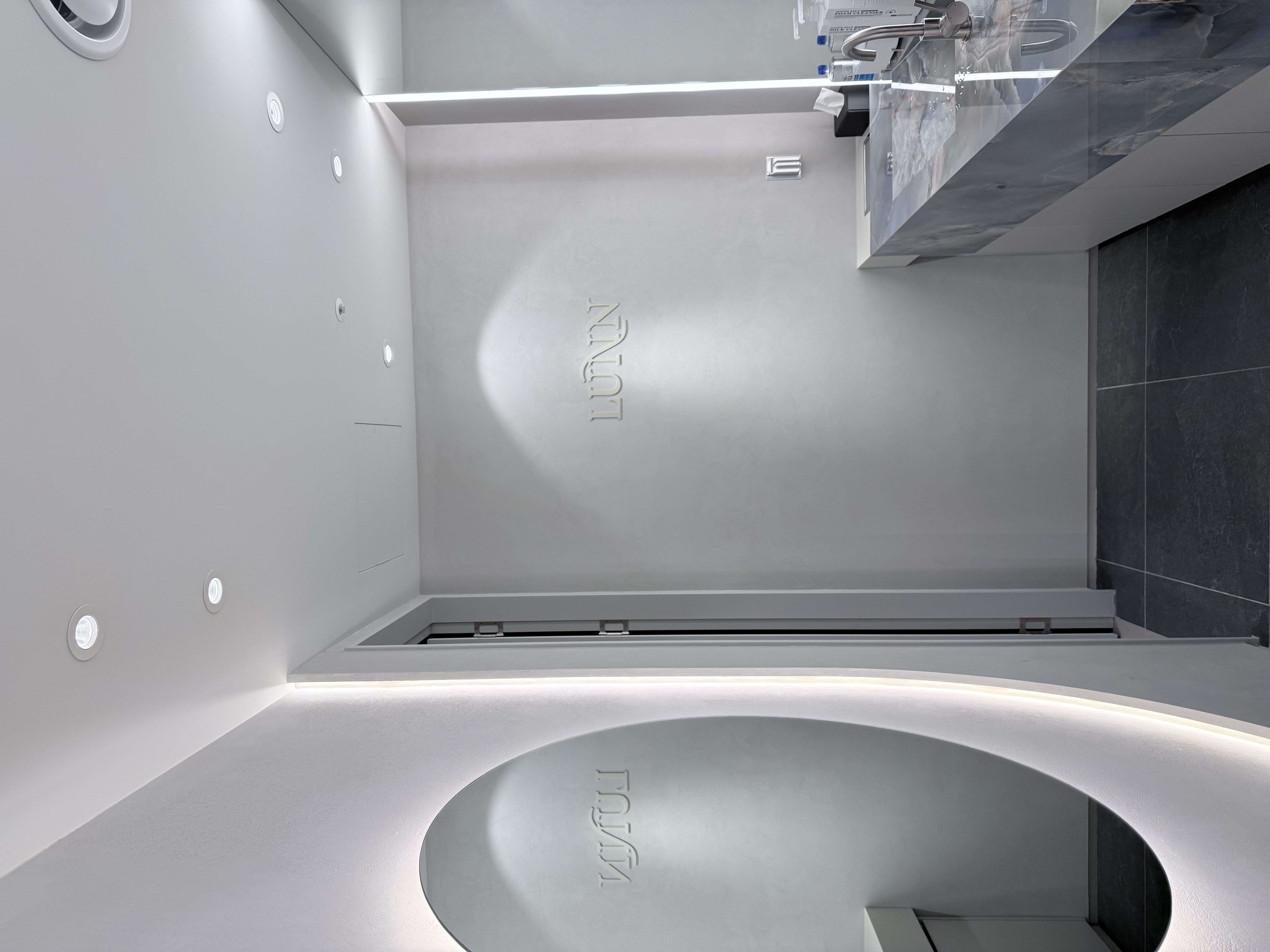
In my practice, I believe that true beauty stems from a 1mm difference—the delicate balance between detail and harmony. The shadow effect in the aging eye area is a phenomenon where structural volume loss and skin laxity create physical hollows that trap light, resulting in a fatigued appearance. For many individuals, this is not merely a matter of skin pigmentation but a three-dimensional change in facial anatomy that requires a sophisticated, multi-layered approach to restoration. In this professional guide, I will explore how I address these subtle yet impactful changes to achieve facial harmony. My goal is to guide you toward a naturally refreshed version of yourself, moving away from the standardized, factory-style procedures that often overlook individual structural needs.
Understanding the Shadow Effect in Aging Eyes
The shadow effect is primarily defined as the visual darkening of the periorbital region caused by anatomical depressions, such as the tear trough deformity, which prevent light from reflecting evenly across the skin surface. Unlike surface pigmentation, which is a color change in the epidermis, these shadows are structural in nature and often persist regardless of topical brightening treatments. At LUNN, I evaluate the interaction between bone resorption, fat pad migration, and skin thinning to identify the root cause of these shadows. I often tell my patients that addressing this is like 'erasing a shadow' rather than just bleaching a stain. Because the skin here is the thinnest on the body, every intervention must be handled with extreme care to avoid an unnatural or 'overfilled' look.
Defining Volume Loss and the Tear Trough Deformity
Volume loss in the mid-face often manifests as a deepening of the tear trough, a groove that extends from the inner corner of the eye toward the cheek. As we age, the infraorbital fat pads may diminish or shift, while the underlying maxillary bone undergoes subtle resorption, reducing the structural support for the overlying skin. The periorbital area is a critical focus for rejuvenation because even the slightest change in depth can significantly alter how light interacts with the face. At LUNN, I observe that even a 1mm adjustment in the depth of this trough can significantly restore a youthful appearance. This structural hollow creates a sharp demarcation between the lower eyelid and the cheek, resulting in a shadow that is often mistaken for simple dark circles. Addressing this requires restoring the missing volume to create a smooth, light-reflecting transition between facial planes. However, I always prioritize a conservative approach, as over-correction in this delicate area can lead to complications like the Tyndall effect or persistent swelling.
The Anatomy of Aging: How Structural Changes Create Shadows
The anatomy of aging involves a complex interplay between the retaining ligaments, muscle tone, and subcutaneous fat layers. Specifically, the orbital retaining ligament can become more prominent as the surrounding tissues lose elasticity, tethering the skin and accentuating the hollowed look. This structural tethering, combined with the thinning of the dermis, allows the underlying orbicularis oculi muscle to become more visible, often adding a bluish tint to the shadow. My clinical experience shows that dermal thickness in the periorbital region gradually decreases over time, exacerbating the visibility of deeper structures. By understanding these 3D changes, I design a treatment plan that addresses the 'layers' of aging rather than just the surface. This anatomical perspective is essential for ensuring that any intervention remains natural-looking and functional, avoiding the stiffness or over-correction often seen in less precise applications. I focus on how the muscles resist and interact with fillers to ensure the result looks natural even when you smile.
Differentiating Between Pigmentation and Structural Hollows
It is crucial to distinguish between true hyperpigmentation and structural shadowing to ensure treatment efficacy. True pigmentation involves an excess of melanin or vascular congestion, which remains visible even when a light source is directed straight at the hollow. In contrast, structural shadows tend to diminish or disappear when the area is illuminated from the front, confirming that the darkness is a result of topography rather than pigment. In my clinical practice at LUNN, I utilize precise diagnostic lighting to categorize these issues accurately. A notable number of individuals presenting with 'dark circles' actually have a combination of both structural hollowing and mild pigmentation. Treating structural shadows with brightening creams alone often leads to patient dissatisfaction because the physical 'dent' remains. A professional diagnosis ensures that energy-based devices or volumizing agents are selected based on the actual biological cause of the perceived darkness, rather than a superficial assessment. This honesty is central to my philosophy—I will always tell you if a treatment is likely to have limited results.
Facial Volume Restoration with Fillers and Skin Boosters
Facial volume restoration is the process of using biocompatible injectables to replenish lost fat and bone support, thereby smoothing out the depressions that cause aging shadows. This technique focuses on the mid-face and periorbital junction to recreate the youthful, convex contours that reflect light effectively. When performed with precision, these treatments can provide a refreshed appearance without altering your fundamental facial identity. I view the face as a house; one cannot simply replace the wallpaper (skin) if the foundation (structure) is sagging. My approach is to rebuild that foundation first.
Targeted Tear Trough Filling for Natural Rejuvenation
Targeted tear trough filling involves the precise placement of fillers into the deep sub-orbicularis plane to lift the sunken area. I exclusively use 'low-hydrophilicity' fillers, such as Belotero, in this region. Unlike standard fillers that pull in significant water and cause post-procedure swelling, these products integrate smoothly into the thin skin to minimize the risk of a bluish hue or 'puffy' look. At LUNN, I prioritize a 'less is more' philosophy, focusing on the refined restoration of harmony rather than over-filling. While the procedure is generally well-tolerated, common side effects include temporary redness, bruising, or mild edema at the injection site. It is important to note that results are individual, and I often recommend a secondary touch-up after the initial product has settled to ensure a conservative, natural result. This prevents the 'overdone' look that many fear and ensures the transitions between facial planes remain seamless.
Premium Skin Booster Injections to Improve Surface Texture
Skin boosters, such as those containing Polynucleotides (PN) or PDLLA, work to improve the quality and elasticity of the skin surface rather than just providing bulk volume. These injections stimulate the body's natural collagen production, thickening the dermis and reducing the transparency that contributes to the shadow effect. A series of sessions, typically spaced several weeks apart, can lead to a measurable increase in skin hydration and firmness. By strengthening the skin's structural integrity, boosters help the periorbital area resist the formation of fine lines and dynamic wrinkles. This treatment is particularly effective for patients whose shadows are exacerbated by 'crepey' skin texture. While boosters do not provide the immediate structural lift of a deep filler, they offer a foundational improvement that enhances the longevity of other treatments. Patients should expect a brief recovery period of 1 to 2 days as the injection points settle. I often combine these with lasers for a synergistic effect that addresses both depth and surface.
The Importance of Dermatologist-Led Facial Design in Volume Work
Dermatologist-led facial design is the strategic planning of aesthetic interventions based on a medical understanding of facial symmetry and aging patterns. This approach ensures that volume restoration is balanced across the entire face, preventing an isolated 'filled' look that appears unnatural during facial expressions. A Professional Guide to Precision Volumizing and Facial Harmony highlights the necessity of this holistic view. At LUNN, I personally analyze 'shadow lines' from multiple angles—sitting, lying down, and smiling—to ensure that the transition between the eye and the cheek remains seamless. My experience indicates that patients are significantly more satisfied when the treatment plan includes a comprehensive facial analysis. Specialist oversight is also critical for identifying contraindications and managing potential complications, such as vascular compromise, ensuring that safety remains my highest priority. This is the difference between a 'procedure' and 'care.'
Advanced Non-Invasive Technologies for Periorbital Rejuvenation
Advanced non-invasive technologies refer to energy-based devices, such as Thermage and Ultherapy, that treat skin aging without surgical incisions. These modalities target the deeper layers of the dermis and SMAS to trigger remodeling and tightening, making them an excellent choice for patients who prefer a gradual improvement with minimal downtime. I often use these technologies in conjunction with injectables to address both the surface and the structure of the eye area. As I tell my patients, while a filler fills a hole, these devices tighten the surrounding 'drape' of the skin.
Thermage FLX for Precision Texture and Tightening
Thermage FLX is a sophisticated tool I use for refining skin texture and addressing the fine lines that catch shadows around the eyes. By delivering uniform radiofrequency energy into the dermis, it prompts the skin to undergo a natural healing process, replacing damaged tissue with fresh collagen. Natural Skin Rejuvenation in Seoul: A Dermatologist's Guide to Structural Harmony provides further insight into how I utilize these technologies. For optimal results, a single session can lead to significant improvements in skin tone and smoothness over several months. At LUNN, I utilize specialized eye tips to 'polish' the periorbital region, ensuring that light reflects evenly. While the treatment is non-invasive, patients may experience mild warmth and temporary redness. This precision approach allows for the treatment of delicate eyelid skin that requires the expertise of a specialist who understands exactly how much energy the thin tissue can safely handle.
Non-Invasive Structural Lifting for the Delicate Eye Area
Non-invasive structural lifting at LUNN often utilizes Ultherapy or the ONDA system. Ultherapy uses focused ultrasound energy to contract the collagen fibers and lift sagging tissues at the SMAS layer, while ONDA uses microwaves to target both volume and elasticity. These devices provide a subtle 'lift' that reduces the weight on the tear trough area, thereby lessening the shadow effect. Results appear gradually and naturally as collagen remodeling continues for several months. This is an ideal solution for my patients experiencing mild to moderate laxity who are not looking for surgery. I often combine these tightening treatments with volumizing agents to achieve comprehensive rejuvenation. Potential risks are minimal but can include temporary swelling or localized tenderness. Because the eye area is anatomically complex, I customize the energy parameters to your specific skin thickness and fat distribution to ensure a harmonious aesthetic result.
Comparison of Eye Rejuvenation Modalities
Selecting the appropriate treatment for the shadow effect depends on whether the primary cause is volume loss, skin laxity, or a combination of both. The following table provides a neutral comparison of common modalities I use at LUNN.
| Treatment Type | Primary Target | Typical Duration | Recovery Time | Expected Outcome |
|---|---|---|---|---|
| Dermal Fillers | Volume Loss | 6–12 Months | 1–3 Days | Refined restoration of hollows |
| Skin Boosters | Texture/Hydration | 3–6 Months | 1–2 Days | Improved skin quality and glow |
| Thermage | Dermal Elasticity | 6–12 Months | Minimal | Reduction in fine lines and tightening |
| Ultherapy/ONDA | Structural Laxity | 12 Months | Minimal | Subtle lifting of sagging tissues |
Selecting the right treatment requires a professional assessment at a specialized facility like LUNN Dermatology Clinic Seoul: Expert Facial Rejuvenation and Structural Harmony Guide 2026, where I focus on customized programs and direct dermatologist-led design.
Frequently Asked Questions
Q. What exactly is the shadow effect under the eyes?
The shadow effect is caused by a combination of volume loss in the mid-face and the deepening of the tear trough ligament. This creates a physical hollow that catches light poorly, resulting in a dark appearance even without actual skin pigmentation. I focus on smoothing this topography to allow for better light reflection.
Q. How long do the results from under-eye fillers typically last?
While individual results vary, fillers in the tear trough area generally maintain their effect for 6 to 12 months. Factors such as your individual metabolism, the type of product used—I prefer low-hydrophilicity options—and the depth of placement will influence the duration. Regular maintenance is recommended to sustain the refined look.
Q. Are there any risks associated with these treatments?
Common side effects include temporary swelling, bruising, or redness at the injection site, which usually resolve within a few days. Rare but possible risks include asymmetry or vascular complications, which is why I personally handle every injection. A professional consultation is necessary to assess your specific risk profile.
Q. Is there a recovery period after Thermage treatment?
Most non-invasive treatments like Thermage involve minimal downtime, allowing you to return to daily activities quickly. You may experience mild redness or a slight warmth for a few hours, but these symptoms resolve quickly. Post-treatment sun protection is vital to maintain the integrity of the new collagen.
Q. Can ONDA or Ultherapy help with under-eye shadows?
Yes, by lifting sagging skin in the mid-face and brow areas, these treatments indirectly reduce the weight and shadowing around the eyes. By lifting the cheek tissue, the physical tension on the lower eyelid is eased, contributing to a more rested and refreshed appearance. I view it as improving the 'frame' of the eye.
Q. How many sessions are required for skin tightening?
The number of sessions depends on the severity of laxity. Many patients see visible changes after a single session of Ultherapy or Thermage, though some benefit from a tailored plan. Collagen remodeling is a gradual process that continues for months after the procedure, so patience is key for a natural result.
Q. Why is it important to seek a dermatologist-led facial design?
The eye area is anatomically complex, involving delicate nerves, vessels, and thin skin. A specialist understands the balance between bone structure, fat pads, and skin thickness. At LUNN, I ensure that treatments do not look overdone, focusing on a harmonious result that respects your unique facial structure.
Key Takeaways
- Identify the Cause: Distinguishing between structural shadows and skin pigmentation is the first step I take toward effective rejuvenation.
- Multi-Layered Approach: Combining volume restoration with energy-based tightening often yields the most natural-looking results.
- Precision Matters: Small adjustments—as little as 1mm—can have a significant impact on facial harmony and a rested appearance.
- Safety First: All procedures carry potential side effects such as swelling or bruising; my direct oversight ensures these risks are managed professionally.
- Consistent Maintenance: Non-invasive treatments provide gradual, natural improvements that can be maintained through customized skin care programs.
LUNN / Dr. Hyung-kwon Park
FAQ
- What exactly is the shadow effect under the eyes?
- The shadow effect is caused by a combination of volume loss in the mid-face and the deepening of the tear trough. This creates a physical hollow that catches light poorly, resulting in a dark appearance even without actual skin pigmentation. Treatment focuses on smoothing this topography to allow for better light reflection.
- How long do the results from under-eye fillers typically last?
- While individual results vary, fillers in the tear trough area generally maintain their effect for 6 to 12 months. Factors such as your individual metabolism, the type of product used, and the depth of placement will influence the total duration. Regular maintenance sessions are often recommended to sustain the refined look.
- Are there any risks or side effects associated with these treatments?
- Common side effects include temporary swelling, bruising, or redness at the injection site, which usually resolve within a few days. Rare but possible risks include asymmetry or vascular complications, which is why seeking a specialist is essential. A professional consultation is necessary to assess your specific risk profile and medical history.
- Is there a recovery period after Re2O laser treatment?
- Most non-invasive laser treatments involve minimal downtime, allowing patients to return to daily activities quickly. You may experience mild redness or a slight sandpaper texture on the skin for 2 to 3 days, but these symptoms typically resolve quickly with proper hydration. Post-treatment sun protection is vital to maintain results and protect the new skin.
- Can thread lifting be used to improve the eye area?
- Yes, thread lifting can help reposition sagging skin in the mid-face and brow areas, which indirectly reduces the weight and shadowing around the eyes. By lifting the cheek tissue, the physical tension on the lower eyelid is eased, contributing to a more rested and refreshed appearance. It is a structural solution for age-related tissue descent.
- How many sessions are required for skin tightening treatments?
- The number of sessions depends on the severity of skin laxity and the specific technology used. Some patients see visible changes after a single session, while others may benefit from a series of three to five treatments for cumulative, long-lasting results. Collagen remodeling is a gradual process that continues for months after the procedure.
- Why is it important to seek a dermatologist-led facial design?
- The eye area is anatomically complex, involving delicate nerves, vessels, and thin skin layers. A specialist understands the balance between bone structure, fat pads, and skin thickness, ensuring that treatments like fillers or threads do not look overdone. This medical expertise is crucial for achieving a harmonious and safe result.