
Post
Advanced Laser Treatments for Pigmentation: A 2026 Specialist Guide to Radiant Harmony
Advanced laser treatments for pigmentation refer to a category of medical aesthetic procedures that use high-precision light energy to target and break down excess melanin in the skin.
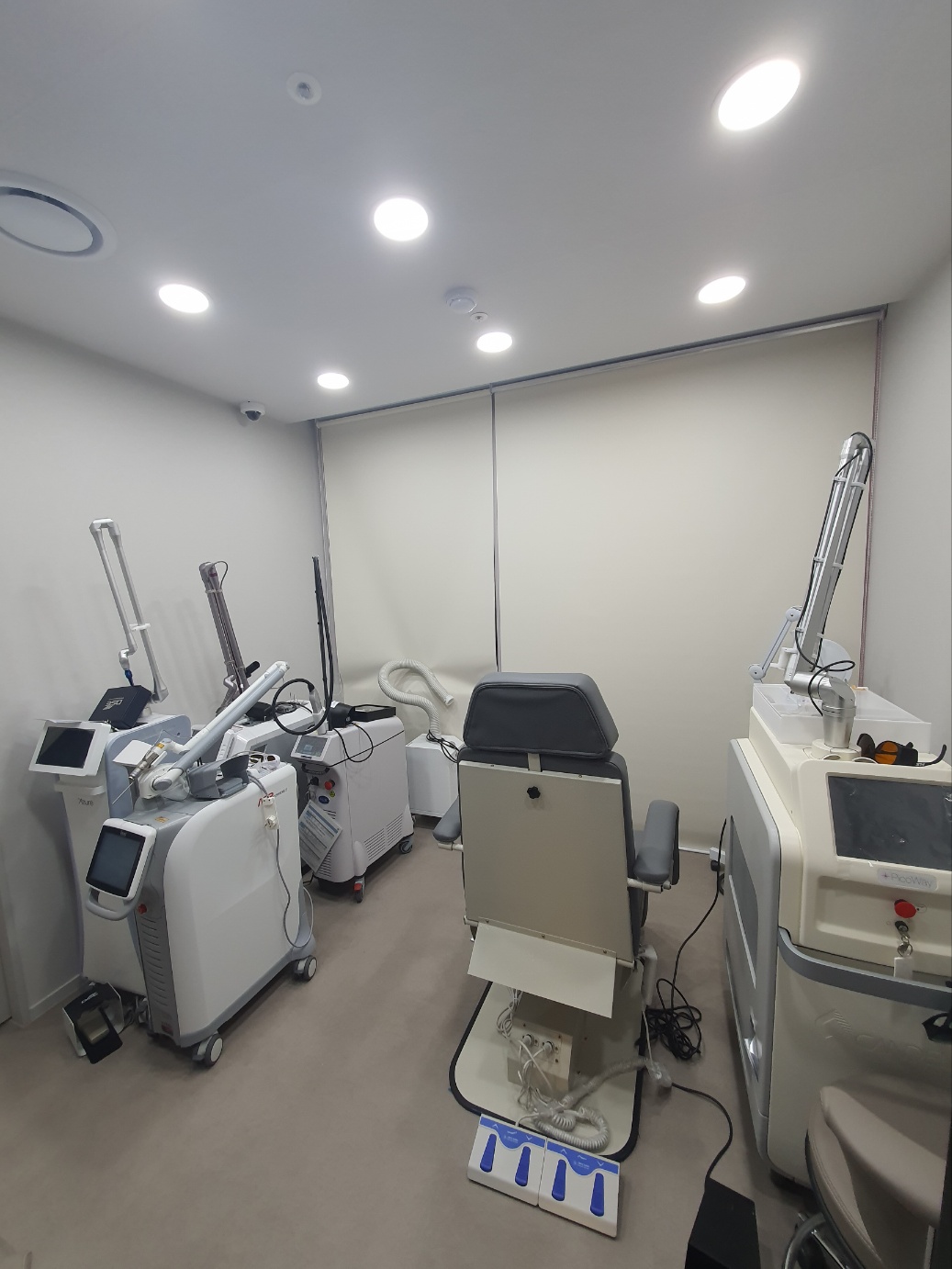
As a dermatologist in the heart of Cheongdam, I, Dr. Hyung-kwon Park, focus on restoring structural harmony through these sophisticated technologies, ensuring each patient achieves a balanced and radiant complexion tailored to their unique skin profile at LUNN.
Understanding Advanced Laser Treatments for Pigmentation
Laser pigmentation treatment is a specialized medical process that utilizes concentrated beams of light to selectively target chromophores—specifically melanin—without damaging the surrounding tissue. By delivering energy at precise wavelengths, these devices can address a variety of concerns, from superficial sunspots to deep-seated dermal patches, allowing for a more uniform and clear skin appearance.
The Science of Precise Melanin Breakdown
Targeting melanin requires a deep understanding of selective photothermolysis, a principle where specific light wavelengths are absorbed by dark spots without affecting healthy skin. In my clinical practice at LUNN, I often explain this to patients as focusing energy with a magnifying glass, but at a speed that minimizes heat spread. The evolution from nanosecond pulses to picosecond technology allows us to generate a powerful photoacoustic effect. Instead of just heating the pigment, we shatter it into microscopic dust that the body’s lymphatic system naturally clears away. This precision is vital because excessive heat can trigger inflammation, particularly in sensitive skin. By controlling the pulse duration and energy level, we can address stubborn discoloration with a high degree of specificity. However, every patient responds differently to these energy-based treatments, and a thorough assessment of skin resilience is necessary to ensure both safety and a balanced, natural-looking improvement in skin tone.
Differentiating Between Epidermal and Dermal Discoloration
Successful pigmentation removal starts with an accurate diagnosis of whether the melanin is located in the epidermis, the dermis, or both. Epidermal concerns like freckles are often on the surface, while dermal issues like certain types of melasma are rooted much deeper. At LUNN, we reject "factory-style" treatments that apply the same laser settings to every face. Instead, I personally evaluate the depth and density of the pigment, as treating deep-seated patches with superficial wavelengths often leads to frustration and incomplete results. Many patients present with complex, mixed-type pigmentation that requires a layered approach. Misidentifying the depth can result in post-inflammatory hyperpigmentation or insufficient clearance. My philosophy focuses on the "1mm difference" in diagnosis—analyzing the skin's structure and the individual's history of sun exposure. This level of detail ensures that we select the most appropriate laser modality to restore the skin’s natural harmony while acknowledging that multiple treatment steps are required to safely achieve improvement.
Leading Laser Technologies in Modern Aesthetic Medicine
Aesthetic laser technology has evolved to provide greater precision and safety by utilizing ultra-short pulse durations and specific light spectra. These modern innovations allow practitioners to address stubborn discoloration that was previously difficult to treat, minimizing the risk of heat-related side effects and providing more efficient care.
Picosecond Innovations: PicoSure Pro and PicoWay
Picosecond technology represents a paradigm shift in aesthetic dermatology, delivering energy in trillionths of a second. The PicoSure Pro, for example, utilizes a 755 nm wavelength which is highly selective for melanin, making it an excellent choice for sun damage. Meanwhile, the PicoWay system offers multiple wavelengths including 532 nm and 1064 nm, providing versatility for various skin tones. In my practice at LUNN, I have observed that these ultra-short pulses minimize the risk of thermal injury, which is particularly beneficial for patients with sensitive skin. In my clinical experience, picosecond lasers often achieve efficient pigment fragmentation compared to traditional Q-switched lasers, though the exact number of treatments required depends entirely on the individual's diagnosis and skin response. Although these advancements offer high precision, patients must understand that multiple sessions are still necessary to safely achieve the desired outcome. Proper cooling and post-procedure protocols are always implemented to maintain skin integrity throughout the treatment.
Q-Switched Nd:YAG and Alexandrite Applications
While picosecond technology is groundbreaking, traditional Q-switched lasers remain essential tools in my arsenal at LUNN, particularly for specific types of deep lesions. The 1064 nm Nd:YAG laser is highly valued for its ability to penetrate deeply into the dermis, making it a reliable option for patients with darker skin tones who may be more prone to surface burns. On the other hand, the 755 nm Alexandrite laser is exceptionally effective for targeting localized epidermal spots due to its high melanin absorption. I often tell my patients that a great tool is only as good as the doctor's eye—like a professional camera in the hands of a master. We carefully calibrate the energy parameters based on skin thickness and pigment response. While these treatments are effective, they involve a photothermal component that may cause temporary crusting or mild swelling. Most patients find these manageable side effects subside within a week, provided proper aftercare is followed.
Structural Foundation and Skin Revitalization
In aesthetic medicine, I often compare skin care to repairing a house: it is futile to replace the wallpaper if the structural foundation is crumbling. At LUNN, we emphasize that clear skin is not just about removing spots, but about the underlying health and tension of the skin layers. This is why I frequently integrate lifting technologies like Ultherapy, Thermage, or ONDA into our pigmentation protocols. Ultherapy targets the deep SMAS layer to provide a structural lift, while Thermage focuses on the dermis to restore collagen and elastin. By improving the skin’s overall density and texture, the results of pigmentation lasers become far more evident and luminous. This holistic design ensures that the skin doesn't just look clear, but also feels firm and resilient. While these combined treatments offer significant benefits for facial harmony, the exact sequence and intensity are customized for each individual. Achieving these results is a gradual process that respects the skin’s natural healing cycle over several months.
The LUNN Approach: Dermatologist-Led Facial Design
Facial design at my clinic involves more than just treating a single spot; it is a holistic philosophy that considers the interplay of light, shadow, and skin quality. By combining medical expertise with an artistic eye, we aim to create a natural and refreshed appearance that respects the unique structural balance of every individual patient.
Customized Skin Care Programs in Apgujeong Rodeo
Located in the heart of Apgujeong Rodeo, LUNN provides a sanctuary for those seeking a highly personalized approach to skin health. I believe that every face is unique, and therefore, a "one-size-fits-all" laser protocol is rarely the most effective path to lasting results. My customized skin care programs begin with a detailed analysis where I personally examine the patient's muscle thickness, wrinkle depth, and fat distribution. By combining advanced laser treatments for pigmentation with targeted topical therapies, we can address the root causes of discoloration rather than just the surface symptoms. In my practice, I have observed that personalized treatment plans lead to higher patient satisfaction by addressing the specific nuances of each individual's skin, though results naturally vary between patients. These programs are designed to be dynamic, allowing us to adjust the intensity and frequency based on how the skin responds in real-time, ensuring we prioritize safety and natural harmony throughout the journey.
Achieving Harmony through Detailed Skin Texture Refinement
The ultimate goal of facial design at LUNN is to achieve a sense of balance where every detail contributes to a natural, refreshed appearance. Advanced laser treatments for pigmentation play a critical role in this process by removing the "visual noise" created by uneven spots. However, clear skin is only one part of the equation; skin texture refinement is equally vital for achieving a youthful glow. I focus on the 1mm differences that can significantly alter how light reflects off the skin's surface. By utilizing fractional laser modes and gentle resurfacing techniques, we can reduce the appearance of enlarged pores and fine lines. This dual-action approach not only corrects pigment but also smooths the skin’s surface, resulting in a more refined and polished look. Patients should be aware that while these treatments are transformative, they do require a commitment to post-treatment sun protection and maintenance to prevent recurrence. A realistic, conservative approach often yields the most natural results, avoiding an over-treated appearance.
Synergistic Effects of Lasers and Premium Skin Boosters
To maximize the benefits of advanced laser treatments for pigmentation, I frequently recommend the synergistic use of premium skin boosters containing hyaluronic acid or polynucleotides (PN). These injectable treatments provide the necessary hydration and nutrients to support the skin's healing process after laser exposure. At LUNN, we have found that combining these modalities can enhance the overall radiance and health of the skin barrier. For instance, while the laser targets melanin, the skin booster works from within to improve moisture retention and elasticity. These integrated protocols are designed to support skin resilience; however, the degree of improvement is highly dependent on the patient's baseline skin condition and healing capacity. It is essential for patients to consult with a specialist to determine the ideal combination and sequence of treatments, as timing is crucial for achieving the most natural effects. This holistic strategy ensures that the skin remains vibrant and healthy, reflecting our commitment to both detail and long-term structural balance.
Comparative Analysis: Selecting the Right Laser for Your Skin
Selecting the appropriate laser requires a careful comparison of pulse durations, wavelengths, and their specific interactions with melanin. Every patient's skin has a unique threshold for energy, and choosing the right device is critical for safety.
| Feature | Picosecond Laser (e.g., PicoSure Pro) | Q-Switched Laser (Traditional) |
|---|---|---|
| Pulse Duration | Trillionths of a second (Picoseconds) | Billionths of a second (Nanoseconds) |
| Primary Effect | Photoacoustic (Mechanical shattering) | Photothermal (Heat-based) |
| Recovery Time | Minimal (Redness varies by individual sensitivity) | Moderate (3–7 days, possible crusting) |
| Required Sessions | Determined by individual diagnosis and response | Determined by individual diagnosis and response |
| Target Pigment | Stubborn spots, Melasma, Multi-color tattoos | Brown spots, Black/Dark Blue tattoos |
Safety Protocols and Managing Expectations
Safety in laser treatments involves a rigorous assessment of the patient's skin type, medical history, and current skin condition to minimize the risk of complications. While modern lasers are designed for high precision, they are medical procedures that require professional supervision to ensure that the skin heals correctly and that the intended cosmetic goals are met safely.
Potential risks include temporary redness, mild swelling, or in rare cases, post-inflammatory hyperpigmentation (PIH), especially if post-treatment sun protection is neglected. It is essential to understand that laser treatment is a journey, and individual responses can vary significantly. During your consultation at LUNN, I will provide a realistic outlook on what can be achieved based on your specific case. Consistent UV protection and following the prescribed aftercare regimen are mandatory to maintain the integrity of the results and prevent the formation of new pigmented lesions over time.
Frequently Asked Questions
Q. How do advanced lasers target pigmentation without damaging surrounding skin?
Advanced lasers use specific wavelengths and ultra-short pulse durations, such as picoseconds, to create a photoacoustic effect. This precisely shatters melanin particles into tiny fragments while minimizing thermal damage to the surrounding healthy tissue. This high selectivity ensures that only the target pigment is affected.
Q. Are advanced laser treatments effective for stubborn melasma?
Yes, devices like PicoSure Pro are frequently used for melasma management. However, because melasma is influenced by hormonal factors, I focus on a customized program that balances laser intensity. This approach helps to avoid post-inflammatory hyperpigmentation, which can sometimes occur with overly aggressive treatments.
Q. What are the common side effects of pigmentation laser treatments?
Patients may experience temporary redness, mild swelling, or a slight darkening of the treated spots before they naturally flake off. While more serious side effects are rare, risks include temporary pigment changes or mild crusting. This is why a professional consultation and expert application at LUNN are so essential for safety.
Q. How many sessions are typically required for visible results?
While some improvements can be observed early on, most pigmentation concerns require multiple treatments spaced several weeks apart. The exact number depends on the depth, type, and age of the pigment being addressed. We monitor your progress at each stage to adjust the protocol based on your skin's unique response.
Q. Is there significant downtime after a picosecond laser treatment?
Most patients experience minimal downtime following a picosecond procedure. You may notice some redness and sensitivity for a few days, though the recovery duration varies significantly based on individual skin sensitivity. I recommend avoiding direct sun exposure and intense exercise immediately after the procedure to support healing.
Q. Can these lasers also improve skin texture and pores?
Yes, certain settings used in fractionated laser modes stimulate the production of new collagen and elastin. This results in refined skin texture and reduced pore visibility alongside the removal of dark spots. It is a dual-benefit approach that contributes to overall facial harmony and radiance.
Q. Why is a customized skin care program important for pigmentation?
Pigmentation is rarely uniform and often exists at multiple levels within the skin. By designing a customized program at LUNN, we can combine different laser modalities and skin boosters to address these unique layers. This ensures more harmonious, natural, and sustainable results compared to standardized, factory-style treatments.
Key Takeaways
- Precision Matters: Advanced picosecond lasers are roughly 100 times faster than older technology, allowing for more effective pigment shattering with less heat spread.
- Customization is Key: Personalized programs at LUNN aim for higher satisfaction by addressing the specific depths and types of melanin unique to each individual patient.
- Synergy for Success: Combining lasers with premium skin boosters can support skin elasticity and the recovery process, with results varying by individual skin condition.
- Safe Recovery: While many patients experience temporary redness, the duration of recovery and the final outcome depend on strict adherence to sun protection and personalized aftercare.
Sincerely, Lunn Dermatology Clinic / Dr. Hyung-kwon Park Follow me on Threads @dr.lunn for more skin health insights.
FAQ
- How do advanced lasers target pigmentation without damaging surrounding skin?
- Advanced lasers use specific wavelengths and ultra-short pulse durations, such as picoseconds, to create a photoacoustic effect. This precisely shatters melanin particles into tiny fragments while minimizing thermal damage to the surrounding healthy tissue. This high selectivity ensures that only the target pigment is affected.
- Are advanced laser treatments effective for stubborn melasma?
- Yes, devices like PicoSure Pro are frequently used for melasma management. However, because melasma is influenced by hormonal and vascular factors, I focus on a customized program that balances laser intensity. This approach helps to avoid post-inflammatory hyperpigmentation, which can sometimes occur with overly aggressive treatments.
- What are the common side effects of pigmentation laser treatments?
- Patients may experience temporary redness, mild swelling, or a slight darkening of the treated spots before they naturally flake off. While more serious side effects are rare, risks include temporary pigment changes or mild crusting. This is why a professional consultation and expert application at lunnclinic are so essential for safety.
- How many sessions are typically required for visible results?
- While some improvements can be observed after a single session, most pigmentation concerns require a series of 3 to 5 treatments spaced several weeks apart. The exact number depends on the depth, type, and age of the pigment being addressed. We monitor your progress at each stage to adjust the protocol as needed.
- Is there significant downtime after a picosecond laser treatment?
- Most patients experience minimal downtime following a picosecond procedure. You may notice some redness for 24 to 48 hours, but it usually does not interfere with daily activities or work. I recommend avoiding direct sun exposure and intense exercise for a few days immediately after the procedure to support healing.
- Can these lasers also improve skin texture and pores?
- Yes, certain settings used in Re2O or fractionated laser modes stimulate the production of new collagen and elastin. This results in refined skin texture and reduced pore visibility alongside the removal of dark spots. It is a dual-benefit approach that contributes to overall facial harmony and radiance.
- Why is a customized skin care program important for pigmentation?
- Pigmentation is rarely uniform and often exists at multiple levels within the skin. By designing a customized program at lunnclinic, we can combine different laser modalities and skin boosters to address these unique layers. This ensures more harmonious, natural, and sustainable results compared to standardized treatments.